Microneedling is a popular skin rejuvenation treatment that stimulates collagen and elastin production for a fresher, youthful appearance. However, a common concern after the procedure is when it’s safe to return to wearing makeup. Understanding the right timeline for applying makeup after microneedling is crucial to maximize healing and results while protecting your newly treated skin. Many wonder if they can rush back to their beauty routines, fearing downtime could affect their confidence. In this guide, we’ll explore the recommended timeline and tips for a safe transition back to makeup, ensuring you maintain that radiant complexion while feeling empowered in your beauty choices.
When Is It Safe to Apply Makeup After Microneedling?
After undergoing microneedling, a common question among clients is when it’s safe to reapply makeup. Microneedling creates micro-wounds in the skin, triggering healing processes that lead to increased collagen production. However, applying makeup too soon can irritate hypersensitive skin and hinder the healing process.
Generally, it is recommended to wait at least 24 to 48 hours post-treatment before applying makeup. This timeframe allows the skin to calm and reduces the risk of introducing bacteria that could lead to infection. During this initial recovery period, prioritize gentle skin care. Use soothing products designed for sensitive skin, and keep your face clean and moisturized.
Once the initial healing period has passed, you can start thinking about makeup application. However, choose products wisely. Opt for non-comedogenic and fragrance-free formulations to prevent irritation. Mineral-based makeup products are often well-tolerated following microneedling. Before applying any makeup, ensure that your skin feels comfortable and appears less red or swollen. Listen to your skin; if you notice ongoing sensitivity or irritation, consider extending the waiting period.
In summary, allow your skin to recover for at least one to two days and then explore gentle makeup products that won’t overwhelm your skin’s delicate state. Prioritize your skin’s health and healing to achieve the best results from your microneedling treatment.
Understanding the Microneedling Process and Recovery
Microneedling is a transformative skin treatment that has gained popularity for its ability to rejuvenate the skin by enhancing collagen production through controlled micro-injuries. Understanding the microneedling process and its recovery is essential for maximizing results and ensuring a smooth transition back to your regular skincare routine, including makeup application.
During microneedling, a device with tiny, sterile needles penetrates the skin’s surface, prompting the body’s natural healing mechanisms. This results in increased collagen and elastin production, crucial for improving skin texture, reducing wrinkles, and fading scars. Following the procedure, the skin can appear red and slightly swollen-similar to a mild sunburn-so it’s important to approach recovery with care.
Key Recovery Considerations
The initial 24 to 48 hours post-treatment are critical. During this period, the skin is particularly vulnerable, and proper aftercare is vital. Here are some tips to facilitate healing:
- Gentle Cleansing: Use a mild, fragrance-free cleanser to wash your face. Avoid exfoliating products or harsh scrubs that may irritate the skin.
- Hydration: Keeping your skin hydrated helps to support the healing process. Utilize gentle moisturizers that are hypoallergenic and free from irritants.
- Sun Protection: After microneedling, your skin will be susceptible to sun damage. Non-comedogenic sunscreens should become part of your daily routine to protect the healing skin.
- Avoid Makeup: Resisting the urge to apply makeup for the first couple of days allows the skin to recover more effectively. This is when your skin is sensitive and most at risk of irritation.
Listening to your skin and observing how it responds is crucial. You may find it beneficial to keep track of any discomfort or redness levels, adjusting your makeup application timeline accordingly. Once you feel comfortable and the irritation subsides, you can slowly reintroduce makeup, starting with light, breathable products that won’t clog pores or aggravate sensitive skin.
In essence, understanding the microneedling process and adhering to a careful recovery plan will set the stage for impressive results. The downtime you invest in allowing your skin to heal will pay off with smoother, more radiant skin ready for makeup application when the time is right.
Post-Microneedling Skin Care Essentials
Post-microneedling care is essential for ensuring optimal healing and maximizing the benefits of the treatment. After your procedure, your skin may feel sensitive and appear red, which is a normal reaction. This period is crucial for allowing your skin to recover while also setting the stage for gorgeous, maintained results.
The first 24 to 48 hours post-treatment are especially important. During this time, a regimen focusing on hydration, protection, and gentle care is paramount. Start with gentle cleansing; opt for a mild, fragrance-free cleanser that won’t aggravate the skin. Avoid any products that contain exfoliants, acids, or rough scrubs, as these could lead to irritation or infection. Following cleansing, gently pat your skin dry with a clean, soft towel instead of rubbing.
Hydration plays a key role during the healing phase. Look for soothing moisturizers that are hypoallergenic and designed for sensitive skin. Ingredients like hyaluronic acid and ceramides can help maintain moisture levels without irritating the skin. Additionally, incorporating a non-comedogenic sunscreen is critical, as your skin will be more susceptible to sun damage. Choose a broad-spectrum sunscreen with an SPF of at least 30 to shield your sensitive skin.
As tempting as it may be to return to your normal beauty routine, it’s advised to avoid makeup for at least the first few days. This waiting period allows the skin to breathe and heal properly, minimizing the risk of clogged pores or potential reactions from makeup ingredients. Once 48 hours have passed and your skin shows signs of improvement, you can gradually reintroduce makeup. Start with lightweight, breathable formulas and prioritize products that are non-irritating, hypoallergenic, and designed for sensitive skin, such as those from brands like Ilia or Thrive.
Listening to your skin during this recovery phase is essential. Monitor your skin’s response, taking note of any discomfort or changes, and adjust your makeup application timeline accordingly. By respecting your skin’s signals and committing to a gentle and effective post-treatment care routine, you’ll be on the path to beautiful, rejuvenated skin ready to embrace makeup once again.
Typical Healing Timeline After Microneedling
The healing process after microneedling is often as critical as the treatment itself, guiding the way for healthy, rejuvenated skin. Typically, you can expect the skin to undergo several stages of recovery, each lasting different lengths of time. Understanding this timeline not only helps you anticipate your skin’s reactions but allows you to plan your makeup application post-procedure effectively.
The initial 24 hours post-microneedling are usually characterized by redness and slight swelling, resembling a mild sunburn. It’s essential to keep the skin well-hydrated during this time, utilizing gentle, fragrance-free cleansers and moisturizers rich in soothing ingredients like hyaluronic acid and ceramides. Specifically, within the first day, avoid any makeup to allow the skin to breathe and recover without interference.
By day two, you may notice a reduction in redness, making it a good time to assess how your skin is responding. While your inclination may be to apply light makeup to feel more presentable, it’s still best to hold off, as your skin can remain sensitive, and irritation can occur if products are applied too soon. However, if all seems well with your skin and you genuinely need to apply makeup, opt for breathable, hypoallergenic products.
By days three to five, most users report significant improvement in redness and sensitivity. At this stage, you can gradually start to incorporate makeup into your routine. Lightweight formulations are crucial; consider non-comedogenic brands like Ilia or Thrive that cater to sensitive skin. Keep your makeup routine simple, focusing on a moisturizing base and avoiding heavy foundations or powders that may aggravate the skin.
After the first week, your skin typically returns to normal, and by this time, you can confidently experiment with your full makeup routine. Just remember, consistency is key to maintaining the results of your microneedling treatment, so continue using gentle skincare products to support long-term healing and hydration. Prioritizing your skin’s health during this timeline not only enhances the results of your procedure but also promotes a smooth transition back to your beauty regimen.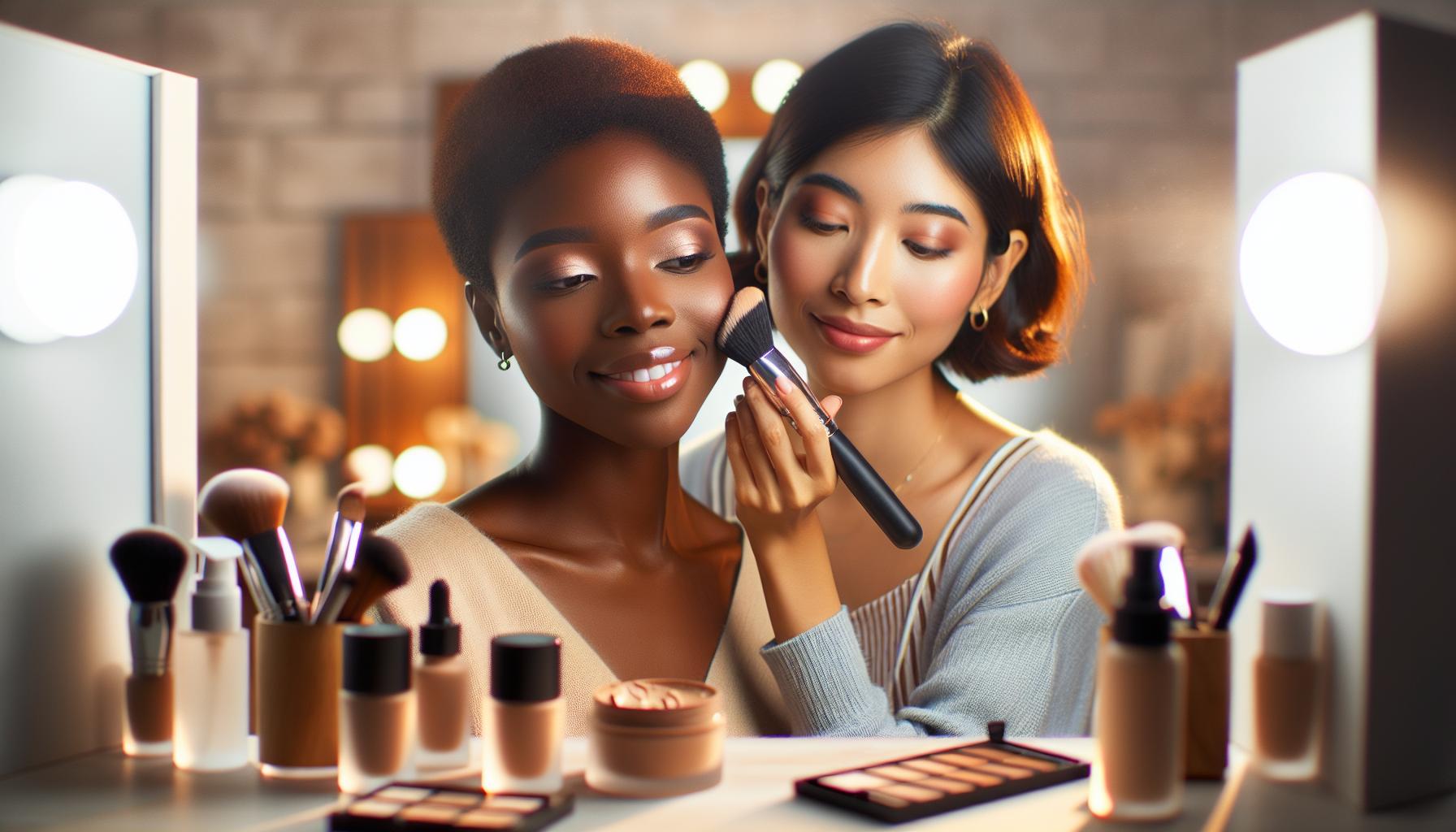
Makeup Application Dos and Don’ts After Treatment
The journey back to your regular makeup routine after microneedling calls for a careful strategy to protect your newly treated skin. Understanding the dos and don’ts of applying makeup can not only help maintain the benefits of your procedure but also minimize the risk of irritation or infection during the healing process.
To ensure your skin heals beautifully, begin by embracing the dos of makeup application. After the first 24 hours, when your skin may still feel a little tender, consider sticking to light, breathable products. Brands like Seint and Ilia offer formulations designed for sensitive skin, allowing your complexion to look fresh without compromising healing. When you do start applying makeup, focus on creating a moisturizing base. A lightweight tinted moisturizer or BB cream can provide coverage while nurturing your skin. Additionally, always ensure that your brushes and tools are clean to avoid introducing bacteria to your sensitive areas.
On the flip side, there are critical don’ts that cannot be overlooked. First and foremost, resist the temptation to use anything that is heavy or full-coverage during the first week-this includes powders and thick foundations that can clog pores and interfere with your skin’s natural healing. Avoid makeup that contains fragrances or irritating chemicals, which can cause undue stress on freshly microneedled skin. Moreover, it’s crucial to steer clear of exfoliants or makeup removers that contain alcohol, as they may strip away essential moisture and disrupt healing.
By following these dos and don’ts, you can confidently engage with your makeup routine while prioritizing the health and healing of your skin after microneedling. Embrace the simplicity of post-procedure beauty, prioritize gentle products, and allow your skin to flourish. With an informed approach, your makeup can enhance your new glow rather than hinder it.
Best Makeup Products for Sensitive Skin Post-Microneedling
Post-microneedling, your skin deserves nothing but the gentlest touch when it comes to makeup. With its recent sensitivity and the need for healing, choosing the right products can make all the difference in maintaining your glow while ensuring the integrity of your skin. Opting for makeup specifically designed to soothe and hydrate can help you feel confident without compromising your recovery. With the right selection, you can create a flawless look that enhances your natural beauty while respecting the delicate condition of your skin.
When looking for makeup products post-microneedling, consider those that offer hydration and are free from harsh chemicals. Brands like Ilia, Thrive, and Seint have made a name for themselves in the sensitive skin market. Their formulations often include clean ingredients that nourish the skin while providing coverage. For instance, Ilia’s Super Serum Skin Tint not only complements your complexion but also includes hyaluronic acid, which helps to hydrate your skin. Similarly, Thrive Causemetics offers a beautiful array of lightweight, breathable foundations that can help avoid pore clogging, making them ideal for your freshly treated skin.
It’s important to stay away from heavy products that can suffocate your skin during its healing phase. Instead, aim for lightweight formulas like BB or CC creams that provide sheer coverage and a moisturizing boost. Products like ELF’s BB Cream strike a great balance between coverage and hydration, making it an excellent choice for post-procedure skin. Additionally, mineral-based makeup products can be a superb option as they are generally more absorbent and less likely to irritate sensitive skin.
Remember, applying makeup post-microneedling is not just about coverage; it’s also about care. Prioritize products that offer soothing benefits and use applications techniques that are gentle to the skin. A soft, clean sponge is advised over brushes to minimize irritation. Selecting the right makeup is key to not only enhancing your appearance but also supporting the recovery process of your skin, allowing you to feel radiant and cared for after your treatment.
How Different Skin Types React to Microneedling
Different skin types respond to microneedling in a variety of ways, and understanding these reactions is crucial for anyone considering the procedure. For individuals with oily or acne-prone skin, microneedling may serve as a dual benefit. The treatment can help reduce acne scars and improve overall skin texture, but it’s important to proceed with caution. Post-treatment, these skin types may experience increased oiliness or a potential flare-up due to the tiny micro-channels created in the skin. Keeping the skin clean and moisturized with non-comedogenic products is key for managing their unique recovery.
In contrast, those with dry or sensitive skin often find microneedling to be an effective rejuvenation tool that enhances moisture retention and promotes healing. However, the initial reaction may include redness, sensitivity, or a tight feeling for several days. Selecting hydrating products, like serums containing hyaluronic acid or aloe vera, can provide relief and accelerate recovery. Products from brands like Ilia or Thrive can nourish and calm the skin, enhancing comfort while nourishing it post-procedure.
For individuals with combination skin, the effects of microneedling can vary across different facial areas. Oily zones might react more vigorously, while dry areas may benefit significantly from the increased collagen production. A tailored aftercare routine that addresses both ends of the spectrum will ensure optimal healing. Using lightweight, hydrating products can help balance out these diverse skin needs effectively.
While understanding your skin type is beneficial, it’s also essential to consult with a skincare professional before undergoing microneedling. They can provide insights tailored to your specific skin concerns, helping you develop a regimen that supports your skin’s healing and enhances the overall effectiveness of the treatment. Employing customized aftercare based on skin type not only ensures a smoother recovery but also enhances the long-lasting results of microneedling, allowing every individual to confidently enjoy their post-treatment glow.
Signs Your Skin Is Ready for Makeup
After undergoing microneedling, patience is key as your skin recovers and rejuvenates. Knowing when it is truly ready for makeup application will ensure you look your best without compromising the healing process. The ideal moment to consider makeup is when your skin shows distinct signs of recovery, typically within 24 to 72 hours post-treatment. Keep an eye out for these indicators that signify it’s time to apply makeup:
- Reduced Redness: After microneedling, it’s common to experience redness similar to a mild sunburn. If the redness has significantly diminished and your skin appears more stable in tone, this is a great sign that you’re ready.
- Less Sensitivity: You should feel less sensitivity or tightness in your skin. If touching your face feels comfortable rather than tender, it suggests that your skin barrier is regaining its normal state.
- No Flaking or Peeling: Observe your skin for any signs of flaking or peeling. Once your skin feels smooth without any rough patches or visible flakiness, it indicates it’s prepared for some light makeup.
- Even Texture: The procedure will initially cause tiny micro-channels, but once your skin texture feels even and resilient, make your move to apply makeup.
It’s essential to choose makeup products that cater to your post-treatment skin type, preferring lightweight, non-comedogenic formulations that won’t exacerbate irritations. Mineral-based foundations often work best, providing coverage without clogging pores. Brands like Ilia and Thrive offer soft, breathable options that will enhance your complexion while keeping it safe from breakouts. Before diving into makeup application, always ensure that your skin is clean, and that you’ve applied a good moisturizer or serum to cushion your skin and serve as a perfect canvas.
Remember, makeup application is not just about appearance; it’s about caring for your skin as well. By respecting your skin’s recovery timeline, you’re setting yourself up for both beauty and health. Look and feel fabulous as you reveal the fresh glow that microneedling provides!
Exploring Makeup Techniques for Post-Treatment Skin
Experiencing a fresh, rejuvenated complexion after microneedling opens a realm of possibilities when it comes to makeup application. However, it’s essential to approach this newfound canvas with care and creativity. The right makeup techniques can enhance the skin’s glow while ensuring that you protect and care for it effectively. Begin your makeup journey with a clean slate by ensuring that your skin is thoroughly washed and prepped with a gentle, hydrating moisturizer or serum. This creates a smooth base, ready to showcase your artistry.
When selecting products, opt for lightweight and non-comedogenic options. Mineral makeup is often the best choice, as it provides coverage without suffocating the skin. Brands like Ilia and Thrive offer products specifically designed for sensitive post-treatment skin, ensuring that the formulation enhances rather than irritates. A light application of mineral foundation is ideal; use a soft brush or a damp makeup sponge to apply it gently, focusing on areas needing coverage while allowing the skin’s natural texture to shine through.
Application Techniques for Freshly Treated Skin
Start with a primer that hydrates and smoothes. Applying a silicone-free primer ensures a seamless makeup application without clogging pores. Use your fingertips or a brush to apply it evenly for a flawless finish. When it comes to concealing any remaining redness or imperfections, opt for a cream concealer that allows for buildable coverage. As you apply, dab rather than swipe; this technique helps to keep the coverage light and prevents aggravating the skin.
Blush and bronzer can bring life to your complexion. Choose cream formulations that blend seamlessly into the skin. Apply with your fingers, warming the product before pressing it onto the cheeks and temples. This method helps maintain a natural, hydrated look without appearing cakey. For eyes, select soft, powdery shadow formulas that are easy to blend and gentle on sensitive skin. Using a soft brush, apply a light wash of color across the eyelids, keeping it simple to complement your radiant complexion.
Finishing with a hydrating setting spray can lock in moisture and provide a dewy finish that reinforces your skin’s glow. This not only sets your makeup for the day but also enhances the overall look, ensuring you feel confident and beautiful. By adapting your makeup techniques to be gentle and supportive of freshly treated skin, you can showcase your beauty while promoting skin health, allowing the benefits of microneedling to truly shine through.
Long-Term Skin Care Following Microneedling
Maintaining the results of microneedling requires a thoughtful approach to long-term skin care, embracing practices that promote healing and enhance the skin’s rejuvenated appearance. After the initial healing phase, which typically spans a few days, your skin will enter a period where it’s more receptive to treatments aimed at sustaining the benefits garnered from microneedling. One of the most crucial components of this nurturing phase is the implementation of a consistent skincare routine, which includes cleansing, moisturizing, and sun protection.
To begin with, select a gentle, hydrating cleanser devoid of harsh chemicals that could irritate the skin. Look for formulations enriched with soothing ingredients like aloe vera and chamomile. After cleansing, it’s essential to apply a nourishing serum or moisturizer that promotes collagen production and retains hydration. Products containing hyaluronic acid, peptides, and antioxidants are particularly effective, as they can help mitigate post-procedure dryness and support the skin’s overall health.
Daily Skin Care Practices:
- Cleansing: Use a mild, non-abrasive cleanser twice a day.
- Moisturizing: Opt for a cream or gel-rich in hyaluronic acid and peptides.
- Sun Protection: Incorporate a broad-spectrum sunscreen (SPF 30 or higher) to protect against UV damage.
- Exfoliation: Introduce gentle exfoliation weekly to remove dead skin cells, but be cautious not to irritate sensitive skin.
- Targeted Treatments: Use serums rich in vitamin C for brightening and restoring an even tone.
Another key aspect of long-term skin care after microneedling is to maintain regular hydration, both topically and internally. Drinking adequate water helps retain skin elasticity, while hydrating topicals can further enhance moisture retention, giving your complexion that sought-after glow. Moreover, refrain from using products with active ingredients like retinol or strong acids immediately after treatment, as they could be too aggressive during the recovery phase.
Regular consultations with a skincare professional can also aid in customizing your skincare routine based on your skin type and specific needs. As your skin adjusts and improves post-treatment, you may explore deeper treatments like chemical peels or LED therapy in collaboration with your skincare specialist to further enhance your results. Embrace these expert recommendations, and your skin will not only reflect the vitality achieved through microneedling but also build a foundation for lasting beauty.
Tips for Maintaining Results from Microneedling and Makeup
Post-microneedling, the skin is in a vulnerable yet receptive state, making it essential to approach makeup application with care. A little patience can go a long way in maintaining the luminous results of your treatment. Typically, it’s advisable to wait at least 24 to 48 hours before applying makeup post-microneedling, allowing your skin some time to recover. Once you are ready to introduce cosmetics back into your routine, selecting the right products will not only protect your skin but also enhance your overall appearance.
Prioritize makeup that is formulated for sensitive skin, avoiding heavy foundations that might clog pores or irritating ingredients like fragrances and alcohol. Mineral-based products can be particularly beneficial, as they typically contain soothing elements. Brands such as Ilia and Thrive promote a skin-friendly approach, offering lightweight options that allow your skin to breathe while providing coverage. Moreover, look for products with hydrating properties, such as those enriched with hyaluronic acid or peptides, which can aid in moisture retention and prevent dry patches.
To ensure flawless application, use clean tools, as your skin will be healing. Brushes should be washed regularly, and sponges should be kept sterile to avoid introducing bacteria. When applying makeup, use gentle, stippling motions rather than rubbing, to minimize irritation and protect the integrity of the freshly treated skin. Additionally, consider using a setting spray to lock your makeup in place while providing an extra layer of hydration.
Lastly, don’t overlook the importance of consistent skincare to maintain the results of your microneedling sessions. Incorporate nourishing serums and broad-spectrum sunscreen daily; these not only support skin health but also help extend the benefits of your treatment. Embrace these tips, and your post-microneedling glow will be beautifully showcased through thoughtful makeup application.
Frequently Asked Questions About Microneedling and Makeup
Understanding the nuances of microneedling reveals crucial insights into post-treatment care, especially regarding makeup application. First and foremost, many patients often wonder, “When can I wear makeup after microneedling?” The general consensus among dermatologists and estheticians is that waiting at least 24 to 48 hours is imperative to allow your skin to heal from the micro-injuries created during the procedure. This waiting period is vital as it helps minimize potential irritation and provides an optimal environment for collagen production.
One common question pertains to product selection after the healing period. It’s essential to choose makeup that is gentle, non-comedogenic, and free from harsh chemicals. Mineral foundations and hydrating BB creams are fantastic options, as they not only provide coverage but also soothe and protect your skin. Brands like Thrive and Ilia specialize in formulas designed for sensitive skin, ensuring you don’t exacerbate any post-treatment redness or irritation. Additionally, opting for products enriched with hyaluronic acid can help maintain skin moisture, crucial for the healing process.
How your skin responds to microneedling can vary significantly based on your skin type. Those with oily skin might experience faster recovery than individuals with drier or more sensitive skin, leading to varying timelines for makeup readiness. Observing your skin’s reaction is crucial; look for signs such as reduced redness and the absence of peeling before applying makeup. As a rule of thumb, regular moisturizing and using a broad-spectrum sunscreen during the healing phase are non-negotiable. This routine not only aids in recovery but also extends the longevity and benefits of your microneedling treatment.
In summary, while embracing the artistry of makeup post-microneedling can be exhilarating, patience and careful product choices are key. Allowing your skin time to heal, selecting appropriate formulations, and observing your skin’s unique needs will not only enhance your makeup experience but also maintain the beautiful results of your treatment.
Frequently asked questions
Q: How long should I wait before applying makeup after microneedling?
A: It’s generally recommended to wait at least 24 hours after microneedling before applying makeup. This allows your skin to begin the healing process and reduces the risk of irritation. For optimal results, follow the detailed timelines in your post-microneedling care routine.
Q: What type of makeup products are safe to use post-microneedling?
A: Use mineral-based makeup products that are gentle and non-comedogenic to minimize irritation. Look for options free from fragrances and harsh chemicals. For product suggestions, refer to the “Best Makeup Products for Sensitive Skin Post-Microneedling” section.
Q: Can I wear foundation after microneedling?
A: It’s advisable to avoid foundation for at least 48 hours post-microneedling. Instead, opt for lighter products like tinted moisturizers or mineral powders once your skin shows signs of healing. This helps maintain your skin’s recovery.
Q: Are there any signs that indicate I can start wearing makeup after microneedling?
A: Yes, look for signs such as reduced redness and sensitivity, as well as minimal flaking. If your skin feels comfortable and has started to heal (usually around 3-5 days post-treatment), you can consider reintroducing makeup.
Q: What should I avoid in my makeup routine immediately after microneedling?
A: Avoid heavy, oil-based products, exfoliating makeup, and anything containing retinoids or acids right after microneedling. These can irritate your healing skin and interfere with recovery.
Q: How does my skin type affect when I can wear makeup after microneedling?
A: Different skin types may respond differently to microneedling. For example, sensitive or acne-prone skin may take longer to heal. Monitor your skin’s reaction and consult the “How Different Skin Types React to Microneedling” section for tailored advice.
Q: Can I use setting spray after microneedling?
A: It’s best to avoid setting sprays for the first week after microneedling, as they may contain alcohol or other irritants that can affect healing. Once your skin has sufficiently healed, you can gradually reintroduce them.
Q: What are the potential reactions if I apply makeup too soon after microneedling?
A: Applying makeup too soon can lead to irritation, breakouts, or infections. Skin may react with increased redness, swelling, or delayed healing. Always prioritize following your clinician’s recommendations for makeup timelines.
Insights and Conclusions
As you plan your post-microneedling beauty routine, remember that patience is key to achieving stunning results. While your skin heals, avoid heavy makeup for at least 24-72 hours to allow for optimal recovery and rejuvenation. If you’re eager to enhance your look, explore gentle options like tinted moisturizers or breathable foundations available on our site. This is a chance to let your natural glow shine through!
For more insights on effective skincare after microneedling, check out our guide on post-procedure skincare essentials and recommendations on the best products to use during your healing journey. If you have any lingering questions or want personalized advice, don’t hesitate to reach out or sign up for our newsletter for the latest beauty tips and product launches. Your journey to radiant skin doesn’t stop here-discover your next steps and maintain that confident glow!