Have you ever looked in the mirror halfway through the day only to find your makeup settling into fine lines and creasing? This frustrating common issue plagues many makeup lovers, regardless of experience level. Understanding why this happens is crucial for achieving a flawless look that lasts. Makeup creasing can stem from a variety of factors like product choices, application techniques, and skin type. Luckily, there are simple, effective ways to combat it. In this article, we’ll explore six easy fixes that will not only help you achieve a smoother finish but also enhance your confidence in your makeup routine. Get ready to unlock the secret to a polished, long-lasting look that keeps you feeling fabulous all day!
Why Makeup Creases: Common Causes Explained
Makeup creases can be a frustrating reality for many, often turning a flawless look into a patchy mess. Understanding why this occurs is the first step toward preventing it. One of the primary culprits is the natural movement of facial muscles; as you smile, frown, or talk, this movement can cause your makeup to settle into fine lines and wrinkles. The texture of the skin plays a significant role too-dry skin can exacerbate creasing, as can poorly formulated or mismatched products. For instance, heavy or overly creamy formulas can be prone to creasing on those with oily skin or in humid conditions, while a lack of proper hydration can leave dry skin flaky, leading to uneven application and creases.
Moreover, the environment in which you’re applying your makeup can contribute to its staying power. Factors like temperature, humidity, and even the time of day can impact skin’s moisture levels and product performance. If you apply makeup in a hot, humid environment, the excess moisture can break down products, resulting in creasing and fading. Additionally, the choice of products matters. For example, certain formulations may not work harmoniously together, leading to poor adherence and, consequently, makeup migration. Using a combination of an effective primer, the right setting powder, and well-suited products can make a difference in maintaining that smooth finish throughout the day.
Lastly, application techniques can influence how makeup settles on your skin. Rushing through the process or being too heavy-handed can result in an uneven layer that’s destined to crease. Taking your time to apply products in thin, even layers and allowing each step to set before layering the next can help create a smoother, more seamless look. Understanding these causes empowers makeup enthusiasts to troubleshoot their routines and find methods that ensure a flawless finish every time.
Essential Products to Prevent Creasing
Using the right products can significantly mitigate the frustrating issue of makeup creasing. It is essential to focus on those that enhance longevity and adhere well to the skin’s texture. Start with a quality primer designed to create a smooth base. Look for options with a silicone base, such as the Thrive Causemetics Primer, which fills in fine lines and pores, allowing your foundation to glide on seamlessly. If you’re inclined toward more hydrating options, consider a gel-based primer like the Ilia Beauty True Skin Radiant Priming Serum. This can boost hydration, particularly beneficial for dry skin types prone to flaking and uneven application.
Next on the list is choosing a setting spray. A good setting spray locks in makeup and helps to prevent creasing throughout the day. Products like the Charlotte Tilbury Airbrush Flawless Setting Spray provide not only a matte finish but also hydration, keeping your makeup intact even in humid conditions.
Incorporate a setting powder as a key ally. A finely milled translucent setting powder helps to absorb excess oil and lock in moisture without adding heaviness. Brands like ELF offer budget-friendly options that work effectively to hold makeup in place. Applying it with a damp sponge can help it meld with the skin, further reducing the chance of creasing, especially in high-crease areas like the under-eye region.
Additionally, the choice of foundation is crucial. Opt for formulations that suit your skin type; oil-based foundations can be problematic for oily skin, leading to excess shine and creasing. Instead, consider lightweight, matte foundations or those labeled as long-wear. The combination of the right products tailored to your skin needs will help build a strong foundation for a flawless makeup look that withstands the test of time.
Step-by-Step Application Techniques for Smooth Makeup
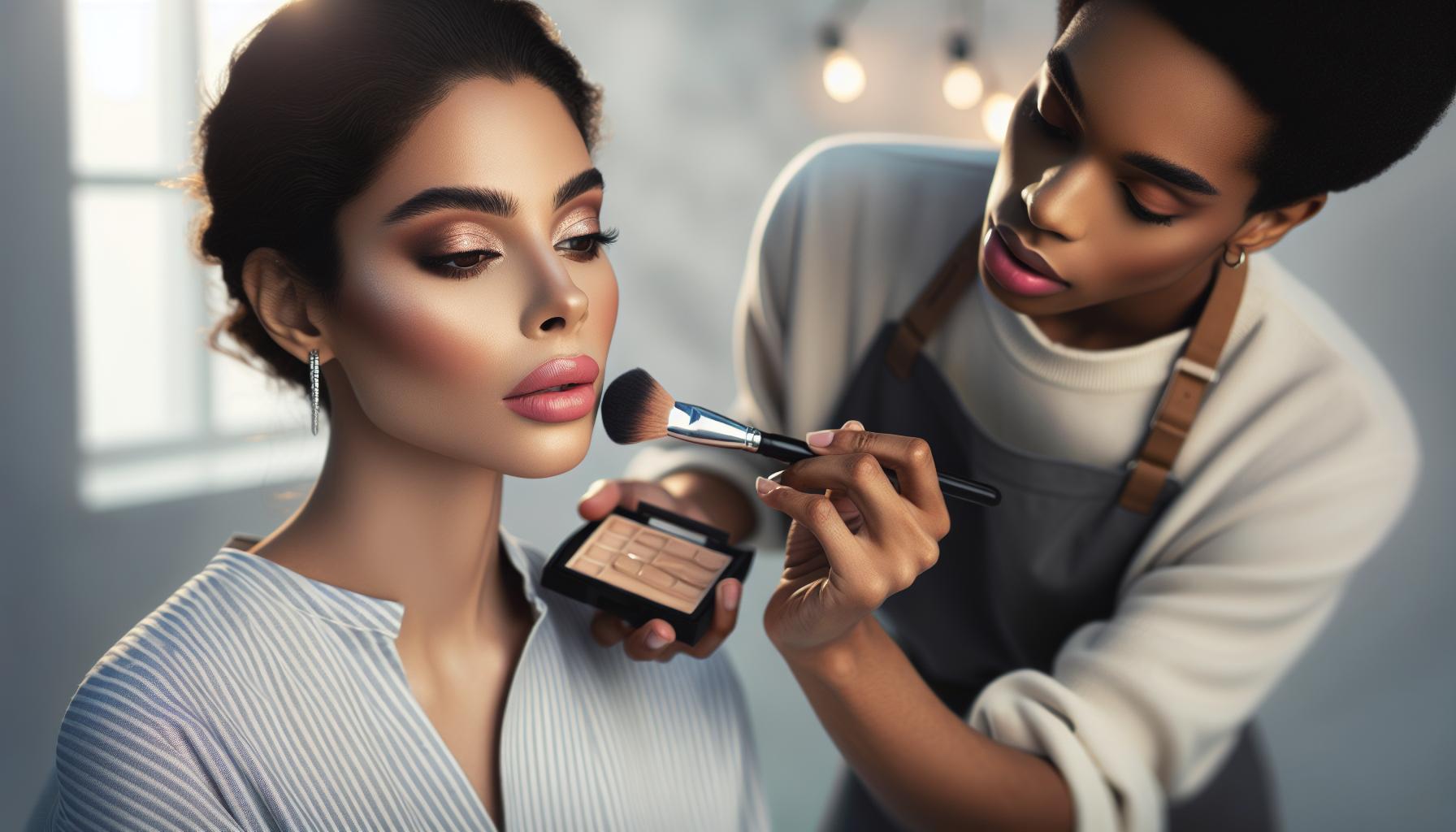
To achieve a flawless finish and combat the dreaded issue of makeup creasing, mastering your application techniques is key. The right steps can not only enhance the longevity of your makeup but also transform your overall look. Start with a clean canvas; ensure your skin is well-prepped and moisturized as this creates a refreshed base for makeup application.
Begin your makeup routine with the application of a quality primer suited to your skin type. A silicone-based primer, such as those from Thrive Causemetics or a hydrating gel primer like Ilia Beauty, helps to create an even surface while filling in fine lines and pores. Apply the primer using your fingertips, or a brush, blending it evenly across your face. For those who focus on problem areas, you might want to use a smaller brush for precision, especially around the nose or under the eyes.
Once the primer has settled, proceed with foundation application. Use a damp beauty sponge or a foundation brush to stipple or buff the foundation into the skin gently. This technique allows for even distribution and promotes a more natural finish. Avoid heavy layers; instead, build coverage strategically in areas that need it the most. For under-eye coverage, consider a lightweight concealer designed for mature skin; applying it with a clean brush in a tapping motion can help minimize creasing in those delicate areas.
To lock everything in, gently set your makeup with a finely milled translucent setting powder. Using a damp sponge, press the powder into areas prone to creasing, like under the eyes. This technique not only helps to absorb excess oil but also ensures that the makeup melds into the skin for a more seamless appearance. Finish with a setting spray to provide hydration and longevity, effectively keeping your look intact throughout the day.
Each step is crucial-aim for delicacy and patience in your application. With consistent practice and the right techniques, achieving a smooth makeup finish will not only become easier but serve as an essential part of your daily beauty routine.
Best Primers for a Flawless Finish
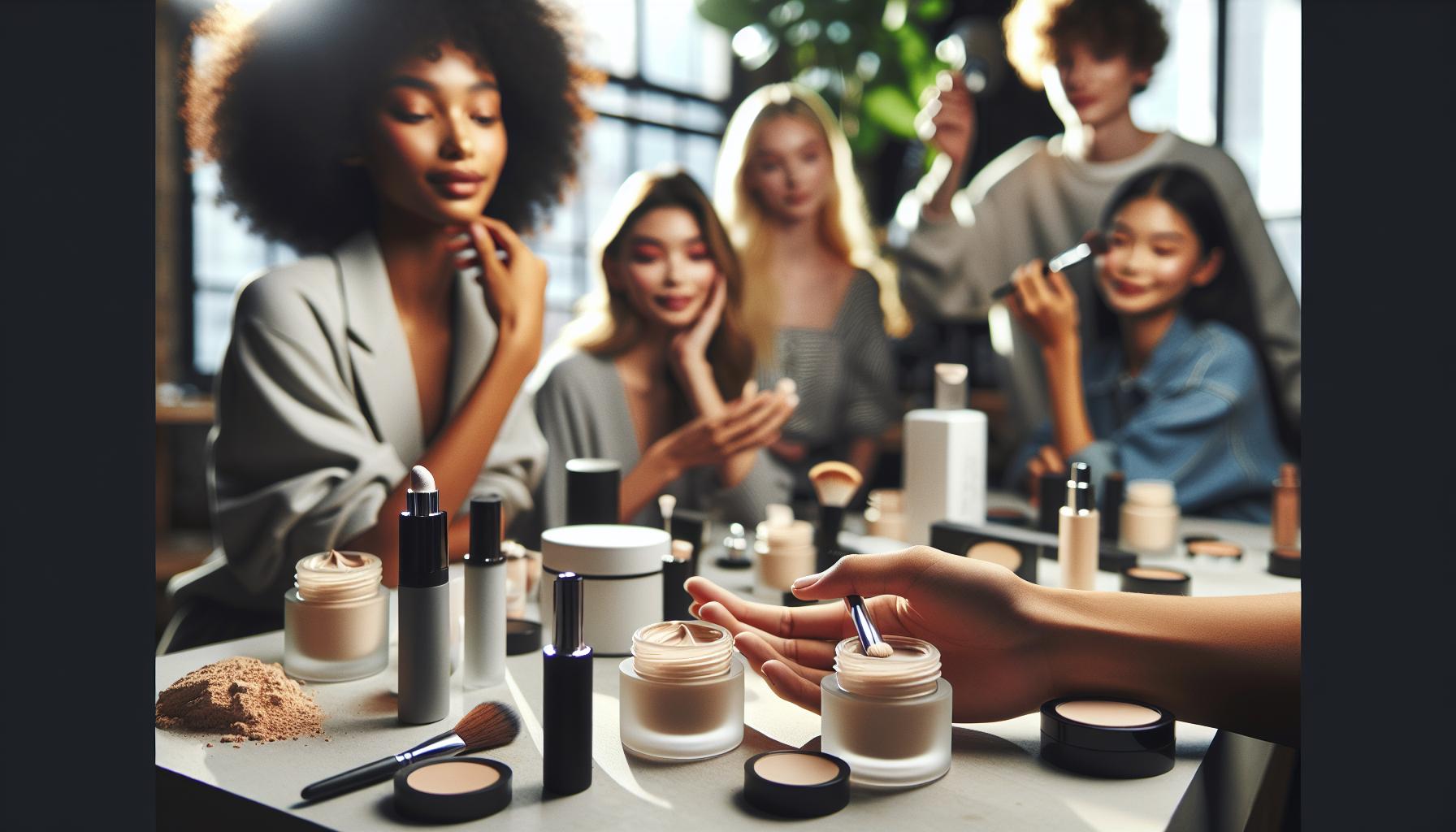
To achieve a flawless finish and combat creasing, choosing the right primer is essential. Primers not only create a smooth base for your makeup but also help it adhere better and last longer throughout the day. A well-formulated primer can make a world of difference, smoothing out imperfections and filling in fine lines, all while enhancing the overall application of foundation and concealer.
Silicone-Based Primers are marvels for those seeking a velvety texture. They create a flawless layer that helps minimize the appearance of pores and fine lines. Brands like Thrive Causemetics offer quality options that are not only effective but also skin-friendly. When applied, these primers glide on easily and can significantly reduce the likelihood of makeup breaking down and settling into creases.
For those with drier skin types, opting for a hydrating gel primer like that from Ilia Beauty can provide the necessary moisture while still serving as a good base. These primers often contain skin-loving ingredients that nourish and hydrate, ensuring your makeup looks fresh without emphasizing dryness or texture. Additionally, when using hydrating primers, it’s crucial to let them absorb fully into the skin before proceeding with foundation.
Another innovative option is illuminating primers, which not only prime but also impart a radiant glow. These are particularly beneficial for dull skin, as they create a youthful luminosity that can help makeup adhere more effectively. With finishes ranging from matte to dewy, the right choice depends on your desired outcome; a matte primer can control oiliness, while a dewy option enhances brightness.
In conclusion, investing in the right primer tailored to your skin type and makeup goals is vital for minimizing creasing. By ensuring that your skin is well-prepped and primed, you set the stage for a flawless makeup look that lasts all day. Remember, the key is to experiment with different formulas to find the perfect match for your unique skin needs.
Setting Powders: How to Choose and Apply
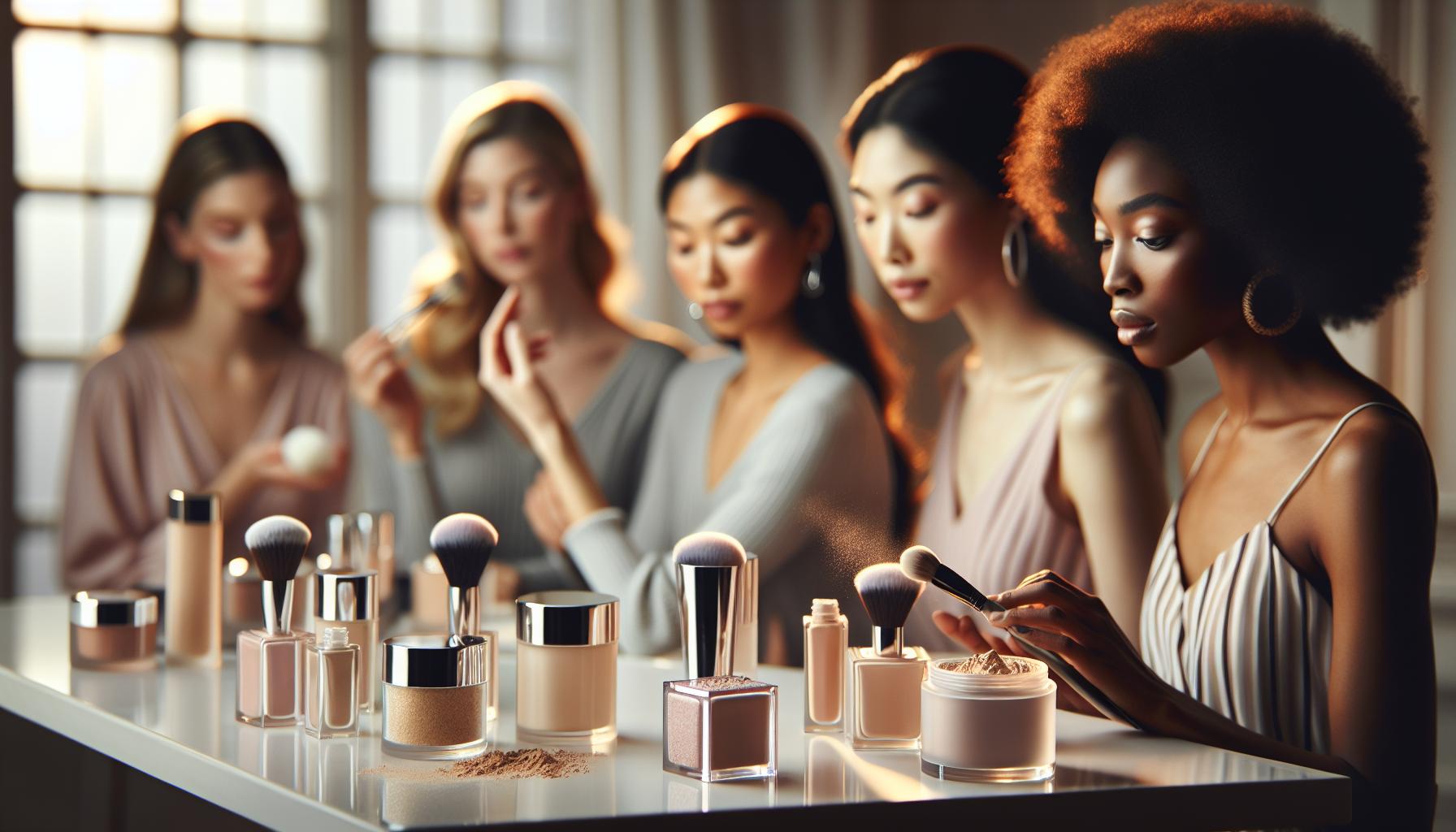
Choosing the right setting powder can be the game-changer in achieving a flawless, crease-free makeup look. This seemingly simple product plays a crucial role in locking in your foundation and concealer while helping to control shine throughout the day. With an overwhelming selection of setting powders on the market, understanding how to choose and apply them effectively will empower you to maintain your makeup’s integrity, ensuring a fresh appearance from morning to night.
When selecting a setting powder, consider your skin type and the finish you desire. Translucent powders are highly versatile and suitable for all skin types, providing a sheer finish that sets your makeup without altering its color. Brands like ELF and Laura Mercier offer excellent translucent options that help control excess oil and shine, particularly beneficial for oily skin. Alternatively, if you prefer a bit of coverage along with setting, you might explore tinted powders, which can also help to neutralize redness and uneven skin tone.
Application techniques are just as important as the product you choose. Start by picking a soft, fluffy brush or a damp makeup sponge to apply your setting powder. For an airbrushed finish, gently press the powder onto areas prone to creasing, such as under the eyes and around the nose, instead of sweeping it across. This method helps to prevent the powder from settling into fine lines. A popular trick among makeup artists is to use a baking technique, where you apply a heavier layer of powder to the under-eye area and leave it for a few minutes before dusting off the excess. This not only sets the concealer but also brightens the undereye area.
To help maintain makeup longevity, consider the timing of your application. Ideally, set your makeup a few minutes after you’ve completed your foundation and concealer application. This allows them to meld and form a cohesive base. Furthermore, don’t shy away from looking for products with hydrating formulas that can help balance skin deficiencies, especially if you have dry skin. Illuminating powders can add a soft glow, enhancing your complexion without sacrificing the benefits of a setting powder.
By integrating these techniques and products into your routine, you will notice a significant reduction in makeup creasing, leading to a fresh, polished look that lasts all day. Expanding your beauty toolkit with effective setting powders and applying them thoughtfully can elevate your makeup game, ensuring you put your best face forward, no matter the occasion.
Top Tips for Oily Skin: Keeping Makeup in Place
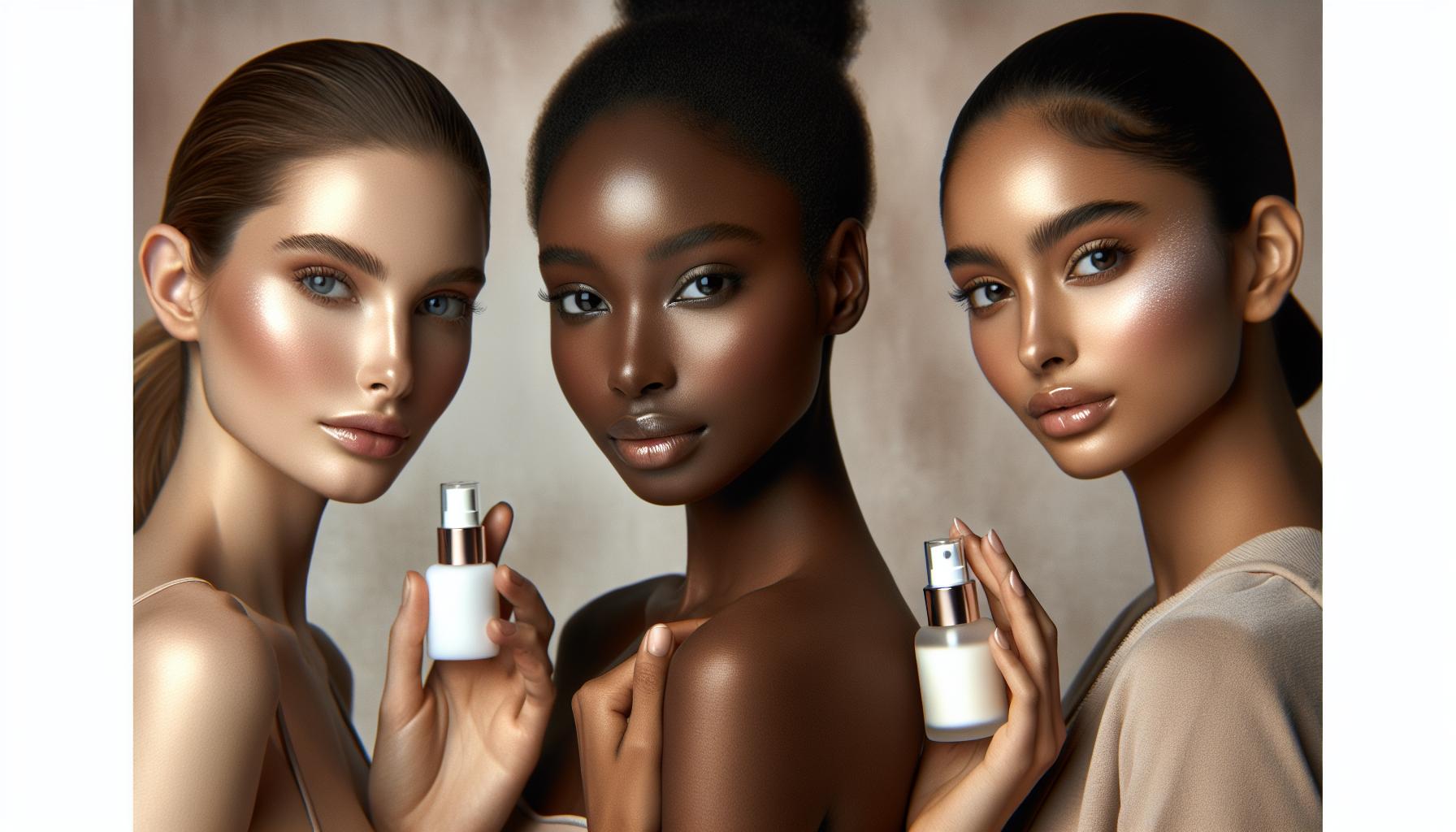
To combat the makeup challenges associated with oily skin, an effective strategy involves not just choosing the right products but also mastering application techniques that can enhance makeup longevity. One crucial element is the choice of primer; opt for a mattifying formula that controls excess oil and creates a smooth canvas. Look for ingredients like silica or clay, which absorb oil and help to minimize shine throughout the day. Applying primer allows your foundation to adhere better and can significantly reduce the risk of creasing.
In addition to primer, consider the formulation of your foundation. Lightweight, oil-free, or matte foundations are excellent choices for oily skin types. These formulas are designed to withstand humidity and sweat, providing a longer-lasting base. When applying foundation, use a damp makeup sponge to press the product into the skin, ensuring an even application that avoids excess product which can lead to creasing later.
Setting powders are indispensable in your routine. A translucent setting powder, such as Laura Mercier’s Translucent Loose Setting Powder, can help absorb excess oil without adding weight or altering your makeup’s color. Apply it with a fluffy brush in areas prone to shine, and don’t forget the ‘baking’ method for additional shine control. This involves pressing a generous amount of powder onto oily areas (like the T-zone) for a few minutes before dusting off the excess. Using a light hand can prevent your makeup from looking cakey, keeping it fresh and in place throughout the day.
Lastly, keep blotting papers or a mattifying spray handy for touch-ups. These will allow you to quickly eliminate any excess oil that can accumulate, particularly in warm conditions or after a long day. By integrating these essential tips and products into your makeup routine, you can effectively manage oiliness and maintain a flawless finish, reducing the chances of creasing and ensuring your makeup stays put from day to night.
Hydration Hacks for Dry Skin and Makeup Longevity
Maintaining hydration is crucial for achieving flawless makeup, especially if you have dry skin which can lead to those dreaded creases. When your skin is dehydrated, makeup can cling to dry patches, leading to uneven texture and creasing. By implementing strategic hydration hacks, you can enhance makeup longevity and ensure a smooth, radiant finish.
Start with a thorough skincare routine that focuses on hydration. Incorporating a moisturizing serum with hyaluronic acid can help attract and retain moisture in your skin. Look for creams that feature ingredients like glycerin or ceramides, which work to nourish and lock in hydration. Always apply your moisturizer to damp skin to maximize absorption. This preps your canvas effectively before you reach for any makeup products.
During makeup application, integrating a hydrating primer can be a game-changer. Choose a silicone-free formula that offers lightweight hydration while providing a smooth base for foundation application. Products infused with aloe vera or botanical extracts can enhance the moisture levels and prevent your makeup from settling into fine lines. Remember that a little goes a long way-apply a thin layer and allow it to absorb fully before continuing with foundation.
Additionally, consider using a setting spray that has hydrating properties. After your makeup routine, a spritz of a lightweight, hydrating spray can add an extra layer of moisture and help meld the makeup into your skin. Ingredients like rosewater or cucumber extract can refresh your complexion and stave off dryness without disrupting your carefully applied look.
Finally, throughout the day, carry a facial mist to rehydrate your skin as needed. A quick refresh can help revive your skin’s appearance and prevent makeup from looking dull or cakey. Look for mists with vitamins or soothing herbs, which can provide both nourishment and a calming effect on skin throughout the day.
By prioritizing hydration at every stage-from skincare to makeup application-you can build a solid foundation that combats creasing and promotes a fresh, dewy look.
Makeup Tools That Make a Difference
Utilizing the right makeup tools can significantly elevate your application technique and reduce the occurrence of creasing. Many makeup enthusiasts overlook the impact that tools can have on the final look, but using quality brushes, sponges, and applicators can make a world of difference in achieving smooth, flawless makeup.
One of the most crucial tools in your arsenal is a good makeup sponge. They are designed to provide an airbrushed finish while allowing for seamless blending, especially when applying liquid foundations and concealers. When used damp, makeup sponges help prevent excess product absorption, thus reducing the likelihood of creasing by ensuring that your makeup sits lightly on the skin rather than settling into fine lines. Brands like Beautyblender and Real Techniques offer sponges that are highly recommended for their softness and durability.
Brushes also play a vital role in makeup application. For foundation, opt for a densely packed brush with synthetic bristles. This type of brush allows for an even distribution of product, minimizing the chance of build-up in areas that are prone to creasing. A tapered brush for concealer can help target under-eye bags, with its precise application preventing heavy layers that lead to creased looks. Furthermore, incorporating fluffy brushes for setting powders can ensure a light dusting, which locks everything in place without creating a cakey finish.
Lastly, don’t overlook the importance of proper cleaning and maintenance of your tools. Regularly washing your brushes and sponges not only improves their performance but also ensures that dirt and oils don’t contribute to makeup break down during the day. Consider a gentle brush cleanser or a DIY solution made with baby shampoo to keep your tools in optimal condition.
By investing in the right makeup tools and maintaining them properly, you can greatly enhance your makeup routine, ensuring a smooth application and reducing the risk of unsightly creasing throughout the day.
Adjusting Your Routine: Seasonal Makeup Changes
As the seasons change, so do the needs of your skin and, consequently, your makeup routine. The hot and humid conditions of summer can cause makeup to slide off, while dry winter air can make it cling stubbornly to your skin, leading to unsightly creasing. Adapting your makeup regimen according to the season is essential to achieving a flawless look all year round. Here are some practical strategies to ensure that your makeup remains smooth and crease-free, no matter the weather outside.
Summer Adjustments
In warmer months, light and breathable products are your best friends. Consider switching to a gel-based foundation or a tinted moisturizer that won’t feel heavy on your skin. These lightweight formulas often come with hydrating properties to combat the heat, reducing the need for multiple layers that can lead to creasing. Don’t forget to incorporate a mattifying primer, particularly on oily areas like your T-zone, which helps control shine and keeps makeup in place longer. Setting your makeup with a translucent powder is also crucial during this time; it not only reduces excess oil but can help to lock in your look.
Winter Necessities
As the temperature drops, skin can become dehydrated, which may cause makeup to emphasize fine lines and creasing. To combat this, adjust your foundation choice to a more hydrating formula that contains moisturizing ingredients, such as hyaluronic acid. Additionally, an illuminating primer can create a dewy finish and help your makeup adhere better to the skin, minimizing the chances of it settling into lines. Using cream-based products for blush and highlighter can also add a fresh look, as they are often more hydrating than powder formulations.
General Tips for Seasonal Transition
Regardless of the season, consider investing in makeup products that are specifically designed to be long-wear. Look for brands like Ilia or Thrive, which specialize in makeup that balances performance with skin-care benefits. Moreover, regardless of your base products, always keep an eye on humidity and temperature levels-if you’re spending a lot of time outdoors, carry a setting spray to refresh your look throughout the day.
Adapting your makeup routine to the seasons not only enhances its durability but also supports the health and well-being of your skin. By selecting the right products and techniques, you can enjoy a fresh, polished look all year long.
Quick Fixes for Makeup Emergencies
Makeup emergencies can strike at any moment, leaving you scrambling for a solution to avoid unsightly creases, smudges, or faded colors. Whether you’re running late, attending an important event, or simply experiencing the dreaded makeup failure, knowing how to quickly rectify these issues can save the day. Here are some effective and immediate strategies to help you regain your flawless look in no time.
One of the quickest fixes for under-eye creasing is to use a damp makeup sponge. Gently press the sponge against the crease, which blends the product back into the skin while absorbing any excess. This technique can also refresh other areas of your face where makeup may have settled into fine lines. In addition, a setting spray can work wonders; simply mist it over your face to meld all layers together and combat cakiness instantly.
Another powerful tool in your emergency kit is a blotting paper. If you’re battling shine and creasing caused by oil, gently patting your T-zone with a blotting sheet can remove excess oil without disrupting your makeup. Follow this up with a translucent setting powder to re-set your makeup and minimize shine without adding heavy coverage.
For those moments when your lipstick has smeared or faded, a quick fix is to apply a concealer around the edges with a makeup brush to create clean lines. This not only defines your lips but also helps conceal any shadowing around your mouth that can make your makeup appear unkempt.
Lastly, if you find yourself in dire straits and don’t have your full makeup kit on hand, consider using a facial mist or a lightweight moisturizer to refresh your skin. This can revive the complexion and may help rehydrate areas that look dry or cracked, smoothing out any rough patches where makeup may have clung unflatteringly.
Implementing these quick fixes ensures you’re always prepared to tackle makeup emergencies. With these handy techniques, you can maintain a polished look, giving you the confidence to face whatever the day throws your way.
Expert Advice: Makeup Artist Secrets Revealed
The struggle with creasing makeup can feel like an unwelcome reality, especially when you want your look to last all day. Many makeup artists agree that the secret to minimizing creases lies not just in the products used, but significantly in the techniques employed during application. A common piece of advice is to embrace the power of layering and patience-allow products to settle before moving on to the next step. For instance, if you’re applying concealer, let the under-eye area breathe for a moment before powdering, as this can noticeably reduce the tendency to crease.
Choosing the right tools can also elevate your application game. Opt for a high-quality setting brush, which allows for gentle dusting of powders without disturbing the base products. Another useful tip is to utilize sponges rather than brushes for creamy products. A damp sponge can seamlessly press products into the skin, reducing the possibility of excess settling in fine lines. When it comes to products, investing in long-wearing and hydrating formulations prevents makeup from looking dry and emphasizes everyday freshness.
Understanding your skin type is crucial for sympathetic selection of products. For those with oily skin, a mattifying primer can create a barrier to prevent oils from breaking through while blotting sheets help maintain a flawless finish throughout the day. On the other hand, if dryness is your concern, aim for hydrating primers and setting sprays that not only lock your look in place but also infuse moisture-striking the right balance between hydration and longevity is key.
For a truly polished finish, consider the “baking” technique, which involves applying a generous amount of translucent powder and allowing it to sit for several minutes before sweeping away the excess. This method creates a soft-focus effect that can help blur imperfections and keep creases at bay longer. Ultimately, the trick to avoiding creasing lies in being mindful of the balance between your skin’s needs and the products you choose, making informed adjustments as necessary.
Long-Term Solutions for Persistent Creasing Issues
Persistent makeup creasing can feel like an uphill battle, especially when you want a flawless look that lasts throughout the day. Understanding how to tackle this issue over the long term involves a combination of product choices, application techniques, and routine adjustments that go beyond instant fixes. To build a solid foundation against creasing, consider the following strategies.
Invest in Quality Products
The foundation of defeating long-term creasing starts with high-quality products. Opt for makeup brands offering specific formulas designed to combat creasing, such as those enriched with hyaluronic acid or other skin-loving ingredients. Brands like Seint, Thrive, and Ilia provide innovative solutions with long-wearing formulas that hydrate while offering coverage. Always prioritize products tailored to your skin type-dry skin benefits from creamy, hydrating formulations while oily skin thrives on matte finishes.
Master Your Application Technique
Proper application technique can dramatically influence the longevity of your makeup. Implementing a layering technique can help; apply products in thin, manageable layers. Start with moisturizer followed by a primer, and allow each product to set before moving on. When applying concealer, consider looking upward to stretch the under-eye area, minimizing the formation of folds or creases as the product is set. Use a damp sponge for a seamless finish that lightly presses products into the skin, which can exacerbate settling in fine lines.
Hydration and Maintenance
Hydration plays a critical role in the fight against makeup creasing. Ensure that your skin is well-hydrated using a nourishing moisturizer and consider hydrating setting sprays throughout the day. For long-term solutions, establish a skin care routine that includes exfoliation, as it removes dead skin cells that can lead to uneven makeup application. Consult your dermatologist for recommendations tailored to your skin’s specific needs.
Regularly Evaluate Your Routine
Change is essential, especially as seasons and skin conditions vary. Be prepared to adjust your makeup routine according to your skin’s changing demands. In winter, focus on richer, moisturizing products, while summer may call for lighter formulas that won’t clog pores. Periodically assess the effectiveness of your chosen products and techniques; this may include altering shades or styles based on your skin’s response.
With these strategies in mind, tackling persistent creasing can transform the makeup journey, allowing for a more polished and lasting finish. Embrace the learning process, for with each application, you’ll gain insights into what works best for your unique beauty.
FAQ
Q: Why does my foundation crease even after setting it?
A: Foundation may crease due to skin type, product formulation, or improper application techniques. Ensure you’re using a suitable primer and setting powder, and apply products in thin layers to prevent caking. Refer to the section on “Essential Products to Prevent Creasing” for more details.
Q: What can I do to stop my eye makeup from creasing?
A: To prevent eye makeup creasing, start with an eye primer to create a smooth base. Use a setting spray after application and consider using a powder to lock everything in place. For additional tips, check the “Step-by-Step Application Techniques for Smooth Makeup” section.
Q: How often should I touch up my makeup to avoid creasing?
A: Touching up every 4-6 hours can help maintain a fresh look. Use blotting papers for oily areas before applying a fine layer of setting powder. This technique is detailed in the “Top Tips for Oily Skin: Keeping Makeup in Place” section.
Q: Does using a setting spray really help with creasing?
A: Yes, setting sprays help lock makeup in place and hydrate the skin, making it less prone to creasing. Look for sprays designed for your skin type for maximum effectiveness. For suggestions, see the “Essential Products to Prevent Creasing” section.
Q: What are the best ingredients to look for in a primer to prevent creasing?
A: Primers with silicone or hydrating ingredients like glycerin can create a smooth surface and help control oil. Explore the “Best Primers for a Flawless Finish” section for top recommendations.
Q: Can certain skincare products cause makeup to crease?
A: Yes, overly rich or oily skincare can interfere with makeup adherence, leading to creasing. Opt for lightweight moisturizers and ensure your skincare routine complements your makeup application. More information can be found in “Hydration Hacks for Dry Skin and Makeup Longevity.”
Q: Is there a difference between setting powders and finishing powders to prevent creasing?
A: Yes, setting powders are designed to lock makeup in place, while finishing powders provide a soft focus or glow. Choose based on your needs. For guidance, refer to the “Setting Powders: How to Choose and Apply” section.
Q: How does humidity affect makeup creasing?
A: Humidity can increase oil production, leading to makeup breakdown and creasing. Use mattifying products and setting sprays designed for humid conditions for the best results. Visit the “Adjusting Your Routine: Seasonal Makeup Changes” section for advice tailored to various climates.
The Way Forward
Now that you have the six easy fixes to prevent makeup creasing, it’s time to put them into action for a flawless finish. Remember, addressing your makeup concerns not only enhances your look but also builds your confidence. If you’re still facing challenges or have specific questions about your products, don’t hesitate to explore our detailed product reviews on brands like Seint, Thrive, and Ilia, or check out our guide on achieving the perfect application techniques.
For more tips on maintaining that fresh look all day, consider subscribing to our newsletter for expert advice straight to your inbox. Join our community by leaving a comment below – we love to hear how these fixes worked for you or any additional tips you might have! Explore further to refine your beauty routine, and let’s keep the conversation going about achieving your best makeup ever!