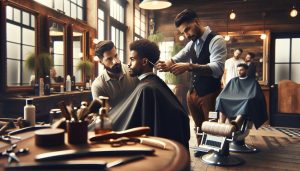
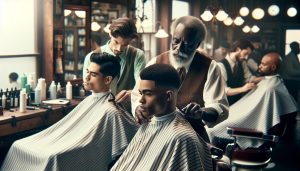
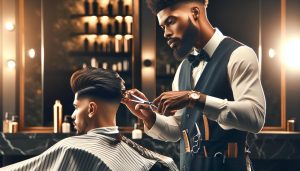
Did you know that a great haircut can boost not just a client’s confidence, but also their perception of your skills as a barber? In “A+ Barber Secrets: Master Techniques That Wow Every Client,” you’ll unlock proven strategies and insider tips that elevate your barbering game. Whether you’re a seasoned pro aiming to refine your craft or a newcomer eager to make a mark, mastering these techniques is essential for both personal growth and business success.
Clients don’t just want to look good; they crave a transformative experience that aligns with their individuality. This guide is designed to help you meet those needs, turning each haircut into a memorable encounter. Each technique shared is crafted to resonate with your clients, encouraging them to return time and again. As you delve into these expert secrets and actionable strategies, get ready to empower your artistry and captivate your clientele. Let’s embark on this journey toward barbering excellence together!
Aging Like Fine Wine: Timeless Barber Techniques
The art of barbering is steeped in traditions that have withstood the test of time, echoing the sentiment that true craftsmanship only gets better with age. Just as fine wine matures, so do the techniques that bring out the best in a client’s hairstyle. Mastering these timeless methods not only enhances the skillset of barbers but also elevates the overall experience for clients, leaving them feeling confident and satisfied.
One of the cornerstones of barbering is the fade technique, known for its seamless transition from short to longer hair. A well-executed fade can transform any cut, creating a polished look that’s versatile for all occasions. To achieve this, begin by selecting the right guard size, using clippers to establish the shortest point at the nape of the neck. Gradually blend into the longer sections using a clipper-over-comb technique to ensure a smooth gradient. This method requires patience, attention to detail, and a steady hand, qualities that every skilled barber should cultivate.
Another technique that has become a hallmark of professional barbering is the scissor-over-comb approach, perfect for textured and longer hairstyles. This method offers precision and control, allowing barbers to shape hair more organically. Hold the comb against the scalp at an angle and use scissors to remove bulk and define shape. It’s essential to maintain the angle and tension throughout to achieve a consistent look. This technique not only showcases the barber’s dexterity but also allows the hair to fall naturally, providing a more relaxed yet sophisticated style.
Understanding Face Shapes
In addition to mastering cutting techniques, a great barber must possess the ability to customize styles based on individual face shapes. The classic guideline is that each style should enhance a client’s features while balancing their proportions. For instance, clients with round faces might opt for structured haircuts with height on top and shorter sides, while those with square faces can benefit from softer, rounded hairstyles. Keeping a diverse set of styles in your repertoire ensures that you can guide clients toward the look that not only flatters them but also aligns with their personal style.
A timeless technique that is often overlooked is the power of straight razor detailing. This method refines edges and creates clean lines, which are crucial for achieving that crisp, finished look. When using a straight razor, it’s vital to maintain a steady hand and apply the right amount of pressure to avoid nicks. This practice not only demonstrates a high level of skill but also adds a luxurious touch to the grooming experience, setting the barber apart in a competitive industry.
In conclusion, embracing and perfecting these classic barbering techniques empowers professionals to elevate their craft and meet the diverse needs of today’s clientele. A commitment to continual improvement and a passion for the timeless art of barbering will ensure that both barbers and clients can enjoy a relationship that ages like fine wine, flourishing with every appointment.
Transforming Hair: The Art of Precision Cutting
Precision cutting is not just a technique in barbering; it’s an art form that transforms hair into a canvas for creativity. A skilled barber uses precision cutting to tailor each hairstyle meticulously to the individual, combining technical expertise with an understanding of the client’s personality and preferences. When executed correctly, precision cutting enhances the natural texture of the hair, allowing it to move freely while achieving an effortlessly polished appearance.
To master this technique, begin by familiarizing yourself with the various hair types and textures. Understanding how each responds to different cutting methods enables you to make informed decisions. For instance, fine hair may require a delicate touch with thinning shears to avoid losing volume, while thicker hair might benefit from more aggressive layering techniques that remove bulk and create shape. A well-structured haircut not only looks professional but also grows out beautifully, maintaining allure between visits.
A vital tool in the precision cutting arsenal is the pair of sharp shears. Invest in high-quality cutting shears that suit your hand comfortably, as this will enhance your control and reduce fatigue during longer sessions. For texturizing, a pair of thinning shears can create soft layers and movement without sacrificing density. Regular maintenance of your tools-including frequent sharpening-is essential for achieving clean cuts and ensuring client satisfaction.
Communication with clients is equally crucial. During the consultation phase, engage them in an open dialogue about their styling goals. Use guiding questions to pinpoint their needs-what is their daily routine like? Which styles are they drawn to? By actively listening, you can customize your approach, making suggestions based on their hair type and lifestyle. A detailed consultation not only builds trust but also empowers clients to feel confident about their choice in style, positioning you as an expert in their grooming process.
The Power of Consultation: Understanding Your Client
Understanding your client’s needs is foundational to delivering exceptional barbering services. A well-executed consultation can transform a simple haircut into a personalized experience that leaves clients feeling fulfilled and confident. Studies show that 70% of satisfied clients attribute their positive experience to effective communication and understanding their unique preferences. This particular aspect of barbering not only strengthens the salon-client relationship but also aids barbers in honing their craft.
To create an inviting atmosphere during consultations, start with open-ended questions that encourage clients to express their desires. Questions such as, “What do you love most about your current hairstyle?” or “Can you walk me through your daily styling routine?” can provide invaluable insights into their expectations. Actively listening to their responses will not only show that you value their input but will also help shape the final look. Encourage clients to share images of styles they admire; visual aids can bridge the gap between their vision and what is feasible based on their hair type.
Identifying Client Lifestyle and Preferences
Each client has a unique lifestyle that influences their grooming routine. For example, a busy professional may prefer low-maintenance hairstyles, while someone who enjoys styling their hair daily might be open to more intricate cuts and styles. Take note of the dialogue; adapting your recommendations to fit their lifestyle will ensure the hairstyle is both practical and fashionable. Providing tailored suggestions not only demonstrates expertise but also shows clients that you are committed to their satisfaction and care about more than just the haircut itself.
Utilizing a feedback loop during and after the service can further enhance your understanding. After completing the cut, ask for feedback on the look and how they feel about it. This is not only beneficial for immediate adjustments but can also inform future consultations. Clients appreciate barbers who follow up and check in on how their haircut is growing out or if they’re satisfied with the style, which fosters loyalty and builds long-lasting relationships.
Effective Communication Skills
Building a strong rapport requires skillful communication. Maintain eye contact, use affirming body language, and validate your client’s feelings and preferences throughout the consultation. For barbers, mastering these communication techniques can set you apart, transforming a routine appointment into a memorable interaction. Regularly practicing these skills will not only increase client satisfaction but can also lead to more referrals and positive reviews, reinforcing your credibility in the barbering community.
In sum, the power of a thorough and thoughtful consultation lies at the heart of a successful barbering experience. By prioritizing understanding over mere technique, you empower your clients to express themselves while you refine your artistry. Embrace this critical component of your craft, and watch as your client relationships flourish alongside your skillset.
Signature Styles: Creating Unique Looks for Everyone
Creating signature styles is not just about following trends; it’s about understanding your client’s individuality and translating that into a haircut that reflects their personality, lifestyle, and preferences. Every barber has the potential to be an artist, where hair becomes the canvas for self-expression. Developing unique looks involves not only technical skills but also the ability to listen and observe the nuances that distinguish one client from another.
To craft a signature style, first, embrace the essence of each client through in-depth consultations that reveal their aesthetic desires, lifestyle limitations, and grooming habits. Here are essential steps to ensure that every cut is perfectly tailored:
- Analyze Hair Texture and Face Shape: Every client’s hair texture and face shape will impact the styles that best suit them. For instance, whether they have curly, straight, thick, or fine hair will influence the type of cuts and techniques employed. Familiarize yourself with various face shapes-oval, round, square, and heart-and pair them with appropriate hairstyles that enhance their features.
- Personalize the Experience: No two clients are the same. By collecting insights about their lifestyle-such as their daily routines, professional demands, or social activities-barbers can recommend styles that are not only appealing but practical. A busy professional may appreciate a style that requires minimal upkeep, whereas a fashion-forward individual may be eager to explore bolder, more elaborate cuts.
- Incorporate Signature Techniques: Mastering signature techniques can elevate a haircut from ordinary to extraordinary. Techniques like texturizing with scissors or razors can add dimension and movement to a style, while layering can create fullness. Each client may respond differently to these techniques, so it’s essential to adjust your approach based on their feedback and preferences.
- Provide Styling Guidance: Once you create a look, guide your clients on how to maintain and style their hair at home. Suggest products suited to their hair type-be it a lightweight styling cream for fine hair or a rich pomade for thicker textures. Offering demonstrations on styling their hair can enhance their experience and boost their confidence.
Ultimately, creating unique looks isn’t just about the haircut itself but the entire experience that surrounds it. The rapport you build with your clients and your ability to translate their wishes into reality are key to mastering signature styles. A thoughtful approach not only garners repeat business but also breeds loyalty, as clients will feel valued and understood. By continuously honing your craft and adapting your techniques, you position yourself as not just a barber but a partner in your clients’ grooming journeys, ensuring they always leave your chair looking and feeling their best.
Essential Tools Every Barber Should Master
Every barber knows that the right tools are essential for executing beautiful cuts and styles, but not all tools are created equal. Mastering your craft begins with selecting high-quality equipment that aligns with your techniques and enhances your skills. Investing in these essential tools lays the foundation for every successful haircut, ensuring you can achieve precise results that wow your clients.
- Clippers: A barber’s best friend, quality clippers offer versatility and durability. Choose clippers with adjustable blades and a variety of guard sizes to tackle different hair types and lengths. Brands like Wahl and Andis are revered for their reliability and performance in the barbering community.
- Scissors: Precision cutting requires a good pair of scissors. Look for high-quality shears that are sharp and comfortable to hold for long periods. Thinning shears can also be incredibly useful for texturizing and blending hair, making them an indispensable part of your toolkit.
- Combs: A fine-tooth comb helps in achieving clean lines during cuts, while wider-toothed combs assist in detangling and sectioning. The right comb allows for greater control and finesse when crafting various styles.
- Razors: Straight razors and safety razors enable barbers to create sharp, defined looks and provide an enjoyable grooming experience for clients. Mastering the use of a razor can elevate your skill set, helping you achieve intricate styles with fluidity.
- Hair Products: While technically not a tool, having a selection of quality styling products on hand is crucial. Products like pomades, gels, and sprays help your clients maintain their looks post-appointment, and they can also be used during styling to enhance certain techniques.
- Barber Capes and Towels: Professional quality capes and towels contribute to a polished, hygienic salon environment. A clean, comfortable experience keeps clients coming back, as they feel taken care of throughout their service.
In addition to these core tools, consider the importance of continuous learning about new technologies and emerging products in the market. This approach not only keeps your skills sharp but also opens doors for innovation within your practice. Exploring advanced tools, such as hair clippers with built-in technology for precision reading or even mobile apps for style consultation, can place you ahead of the curve. Remember, each tool’s mastery leads to extraordinary results, allowing you to create stunning transformations that resonate with every client.
Building Client Trust: Communication Techniques that Work
Building relationships founded on trust is essential for any barber looking to establish a loyal clientele. Skilled communication not only facilitates a comfortable environment but also enhances the overall experience for both the barber and the client. Engaging your clients is more than just asking them about their preferred haircut; it’s about connecting on a deeper level that fosters rapport and ensures satisfaction every step of the way.
One effective technique is active listening. When clients express what they want, make a point to repeat back their desires and clarify any uncertainties. This technique demonstrates that you value their input and are committed to delivering the outcome they seek. For example, if a client describes a style that they enjoyed in the past but had poor results with, asking probing questions can reveal underlying issues and lead to better results tailored to their unique hair type and lifestyle.
Another key aspect of building trust is setting realistic expectations. While showcasing techniques and services, be honest about what each style entails and the maintenance required. For instance, if a client asks for a dramatic undercut with intricate designs, it’s important to explain the upkeep involved, ensuring they feel informed rather than overwhelmed. This upfront communication can prevent dissatisfaction down the line and encourage clients to return, confident in their choices.
Creating an inviting atmosphere is equally vital. Simple gestures like offering a beverage or engaging in light conversation can warm the client-barber relationship. Additionally, leverage visual aids such as style books or your digital portfolio to provide tangible examples of your work. This not only piques client interest but also reinforces your expertise when they can visualize the possibilities.
Finally, asking for feedback after each appointment is a powerful trust-building strategy. It shows clients that their opinion matters and that you are committed to continuous improvement. Positive feedback can also serve as social proof, which can be shared on your social media platforms, showcasing the skill and trustworthiness that make your services stand out.
In conclusion, effective communication techniques play a crucial role in building client trust within the barbering sphere. By practicing active listening, setting realistic expectations, fostering a welcoming environment, utilizing visual aids, and encouraging feedback, you create a meaningful relationship that will have clients coming back time and time again. Nurturing this trust not only enhances client satisfaction but also significantly contributes to the overall success of your barbering business.
Influence of Trends: Staying Relevant in Modern Barbering
Staying attuned to the ever-evolving landscape of barbering trends is vital for success in today’s competitive market. With social media platforms showcasing the latest styles and techniques, barbers must adapt and innovate to meet the diverse tastes of their clientele. Whether through skillful reinterpretation of classic cuts or the adoption of cutting-edge techniques, being aware of trends enables barbers to elevate their artistry while ensuring client satisfaction.
A pivotal way to remain relevant is by engaging with online communities and following influential figures in the barbering space. By doing so, barbers can not only draw inspiration from the latest trends, such as fades, designs, or textured hairstyles, but also connect with peers for knowledge sharing. For instance, platforms like Instagram and TikTok often highlight viral hairstyles and new techniques that can captivate customers and inspire barbers to expand their skill set. As trends like the resurgence of mullets and textured crops rise in popularity, being able to execute and recommend these styles can set a barber apart as a trendsetter in their local market.
In addition to honing techniques, barbers should focus on the products they use and endorse. Today’s clients are increasingly aware of the importance of quality grooming products, such as pomades, waxes, and conditioners that contribute to their hairstyling needs. Leveraging popular product lines that align with current trends can enhance a barber’s reputation for being up-to-date. One recommendation is to offer high-quality styling solutions that cater to specific hair types, providing personalized advice that not only showcases expertise but builds trust in recommending products that clients can use at home.
Furthermore, integrating a unique experience into the traditional barbering visit can significantly enhance customer retention. Offering services like hair and beard consultations or even incorporating skin care into the haircut experience can differentiate a barber from competitors. This not only keeps the service fresh and exciting but also aligns with modern trends focused on holistic grooming approaches. Ultimately, keeping a pulse on trends not only helps to diversify the services offered but also fosters a culture of continual learning and adaptation, which is imperative for sustained growth in the barbering profession.
Barbering Hygiene: Best Practices for Professional Standards
In an industry where first impressions are paramount, maintaining impeccable hygiene standards isn’t just a matter of personal pride-it’s an essential requirement for building a loyal clientele. Clients expect a clean and safe environment during their barbering experience, and as a barber, your commitment to hygiene not only reflects your professionalism but also instills confidence in your customers. By prioritizing cleanliness and sanitation, you lay the foundation for a thriving business that customers will trust.
To achieve and uphold high hygiene standards, start by implementing a robust cleaning routine for your tools and workspace. This includes regularly disinfecting all equipment, such as scissors, clippers, and combs, before and after each use. Use a hospital-grade disinfectant to ensure that all surfaces are sanitized effectively. Consider creating a checklist for daily, weekly, and monthly cleaning tasks, covering everything from wiping down chairs and mirrors to deep-cleaning your barbering tools. It’s crucial to have a dedicated area to store clean tools separate from used ones, minimizing any risk of contamination.
Additionally, promoting personal hygiene is vital. Regularly wash your hands using antibacterial soap, especially before each client interaction. Wearing disposable gloves where applicable can further bolster cleanliness, particularly during services that involve skin contact. Barber capes and towels should be freshly laundered for each client, providing an added layer of comfort and demonstrating your commitment to their well-being.
Moreover, fostering a culture of cleanliness extends beyond physical hygiene; it’s also about creating a safe and welcoming atmosphere. Ensure that your salon has good ventilation to maintain air quality and comfort, and keep the waiting area tidy and clutter-free.
Incorporating these best practices into your daily routine not only enhances your professional image but significantly influences client satisfaction and retention. Clients are more likely to return when they feel safe and well cared for, highlighting that a commitment to hygiene is one of the best investments you can make in your barbering business. Prioritizing these practices will not only wow your clients but also set a standard in the community that others will aspire to emulate.
Innovative Styling: Combining Traditional and Modern Techniques
In today’s dynamic barbering landscape, blending traditional techniques with modern innovations not only enhances a barber’s skill set but also significantly elevates the client experience. This blending of styles allows barbers to cater to diverse clientele, ensuring that each individual leaves the shop feeling fresh and unique. For instance, mastering the classic taper cut, which has stood the test of time, can be combined with contemporary styling products, such as lightweight pomades or matte waxes, to achieve a polished yet relaxed look.
Utilizing traditional scissor techniques offers precision that clippers cannot replicate, particularly when detailing around the ears or creating soft textures. Incorporating modern cutting methods, such as the use of slide cutting for layering, allows barbers to adapt classic cuts for today’s trends. Demonstrating expertise in both realms creates signature styles that are both timeless and trendy. Furthermore, embracing innovative tools, like laser-guided clippers, can help accurately shape and define hairstyles that might otherwise be challenging to achieve by hand alone.
Engaging clients in the styling process is another way to merge these techniques effectively. Asking for their input on products or styles not only informs your technique but also builds trust and excitement. For example, if a client is keen on a vintage pompadour, integrating modern texturizing sprays can give it a fresh twist without losing the essence of the style. This approach fosters a collaborative environment where clients feel invested in their looks, ensuring high satisfaction and repeat visits.
Ultimately, striving for a balance between traditional craftsmanship and contemporary creativity sets a barber apart in an increasingly competitive market. By continuously expanding your knowledge base and skills, you can create a distinct brand that resonates with clients old and new. Emphasizing this fusion of techniques not only enhances your repertoire but ultimately contributes to artistry that clients will admire and remember long after they leave your chair.
Marketing Your Barber Business: Strategies for Success
In a world where the barbering industry is constantly evolving, effective marketing strategies can transform a modest barbershop into a flourishing enterprise. Emphasizing your unique style and the exceptional experience you provide is crucial. Leveraging both traditional and digital marketing avenues can create a robust presence that attracts and retains clients.
Maximize Social Media Engagement
Social media platforms are invaluable for barbers aiming to market their business effectively. Regularly share high-quality images and videos of your work on Instagram, Facebook, and TikTok, showcasing transformations and signature styles. Use engaging captions to tell stories behind each cut or style. Consider hosting live Q&A sessions or tutorials to interact with your audience in real-time.
- Engagement: Actively respond to comments and direct messages to build relationships with potential clients.
- Content Variety: Create diverse content including behind-the-scenes clips, client testimonials, and trend highlights.
- Hashtags: Utilize relevant hashtags to increase the reach of your posts and connect with a broader audience.
Build a Loyal Clientele Through Referral Programs
Nothing beats a recommendation from a trusted friend. Implementing a referral program not only incentivizes your existing clients to refer new customers but also fosters loyalty among your current clientele. Perhaps offer discounts on future services for every successful referral, creating a win-win situation.
Optimize Your Online Presence
In today’s digital age, a professional website is a must. Your online presence should include essential information such as services offered, pricing, and an easy booking system. Incorporate a blog where you can share trends, grooming tips, and insights into your barbering journey. This not only positions you as an expert in your field but also improves your search engine visibility.
Community Involvement and Events
Participating in local events like fairs, markets, or charity functions can significantly increase your brand visibility and credibility. Offering free styles or grooming workshops at these events showcases your skills while giving back to the community, thus building goodwill and attracting new clients.
By integrating these marketing strategies into your barbering business, you can create a compelling narrative that resonates with clients. Remember, authentic engagement and consistent branding are key to long-term success in the competitive barbering landscape.
Upselling Services: Maximizing Client Experiences
In the highly competitive world of barbering, mastering the art of upselling is essential for maximizing client experiences and boosting revenue. Understanding client needs and discerning when to recommend additional services can enhance satisfaction while ensuring that barbers maintain a robust and thriving business. Every interaction with a client is an opportunity to elevate their experience and create lasting impressions.
One method to upsell effectively is through personalized recommendations. Start by assessing your client’s grooming routine and preferences during the consultation phase. For example, if a client is coming in for a haircut and has dry hair, suggest a deep-conditioning treatment or a premium hair product during their visit. This not only demonstrates your expertise but also shows that you care about their overall grooming experience. Tailoring your suggestions to their specific needs fosters trust and reinforces loyalty.
Additionally, incorporating add-on services can be a seamless way to enhance the client’s visit without feeling pushy. Offering scalp massages, beard grooming, or eyebrow shaping can be positioned as essential to their overall look. Present them as exclusive experiences that complement the primary service they are receiving. For instance:
Suggested Add-Ons
- Scalp Massages: Enhance relaxation during haircuts.
- Beard Trims: Perfect for maintaining a polished appearance.
- Hair Treatments: Address specific hair concerns like dryness or oiliness.
In addition, educating clients about the benefits of these services can cultivate their interest. Create a small pamphlet or digital content highlighting the advantages of each service to share during their appointments. Stories or testimonials about clients who have benefited from these upsells can also resonate with potential customers looking for value.
Lastly, timing is critical when it comes to upselling. Position suggestions during the appointment when clients show openness, such as post-service satisfaction. Phrasing your offerings positively-like positioning a treatment as a “fantastic finishing touch” or a “great way to elevate their look”-can create an inviting atmosphere for clients to try something new.
When done thoughtfully, upselling is not merely a sales technique; it’s about enriching the client experience and fostering an environment where they feel cared for and valued. By combining personalized recommendations with timely suggestions and educational content, barbers can elevate their services, encouraging repeat clients and referrals in the process.
Continual Learning: Educational Paths for Barbers
In the dynamic landscape of barbering, continual learning is not just beneficial; it’s essential for staying relevant and excelling in client satisfaction. The beauty and grooming world evolves rapidly, driven by innovation in techniques, tools, and trends. For barbers, embracing a mindset of lifelong education can transform their skillsets and enhance their ability to connect with their clients.
To stay ahead, barbers can explore a variety of educational avenues. Professional certification programs are a solid foundation, providing structured learning that covers essential techniques, safety protocols, and business management skills. Many institutions also offer specialized workshops that delve into trending styles and advanced cutting techniques. Attending these can sharpen skills in precision cutting, fading, and even styling, catering to a diverse clientele.
Online Resources and Masterclasses
The internet has become a treasure trove of information for aspiring and seasoned barbers alike. Platforms like YouTube and Instagram host numerous tutorials and masterclasses from industry leaders. These resources can serve as a supplementary tool, offering insights into the latest trends or unconventional techniques. Participating in forums and online communities further fosters a sense of camaraderie, allowing barbers to share experiences and gain feedback.
Networking and Mentorship
Engaging in networking opportunities is equally important. Joining local barber associations or attending industry conventions not only exposes barbers to new ideas but also connects them with potential mentors. An experienced barber’s guidance can provide unique perspectives on business operations, client management, and even personal branding. It’s often in these interactions that invaluable tricks of the trade are shared, cultivating an environment of collective growth.
Hands-on Experience
Finally, practical, hands-on experience remains irreplaceable. Participating in style collaborations or offering services for events (such as fashion shows or photoshoots) can expand a barber’s portfolio while allowing them to experiment with different styles under pressure. This type of experience is instrumental in honing creativity and adaptability, ultimately leading to greater confidence when faced with a diverse range of client requests.
Continuous learning fosters not just individual mastery but also contributes to a barber’s reputation. By investing in education and embracing opportunities for growth, barbers can ensure they provide high-quality services that align with their clients’ evolving needs, positioning themselves as trusted leaders in the grooming industry.
Frequently asked questions
Q: What are the top techniques every barber should know?
A: Every barber should master classic techniques such as fade cutting, clipper over comb, and texturizing. These methods ensure precision and adaptability for various hair types. For specific guidance, the “Transforming Hair: The Art of Precision Cutting” section of our article is invaluable.
Q: How can barbers effectively consult with clients?
A: Effective consultations involve active listening and asking targeted questions about clients’ preferences. Use this initial conversation to identify their desired styles and past experiences. Refer to “The Power of Consultation: Understanding Your Client” for deeper insights.
Q: What tools are essential for modern barbers?
A: Modern barbers should have high-quality clippers, shears, and combs. Additionally, products like pomades and styling sprays can enhance services. For a detailed breakdown, check out “Essential Tools Every Barber Should Master” in our article.
Q: How do trends impact barbering techniques?
A: Staying updated on trends helps barbers anticipate client requests and adapt techniques accordingly. Regularly research industry news and follow influential stylists on social media to remain relevant. The section “Influence of Trends: Staying Relevant in Modern Barbering” discusses this further.
Q: What are effective upselling strategies in barbering?
A: Effective upselling requires building rapport and understanding client needs. Offer relevant services during consultations, such as beard grooming or hair treatments. Explore “Upselling Services: Maximizing Client Experiences” for practical techniques.
Q: When should barbers pursue continual learning?
A: Barbers should pursue continual learning at every career stage, particularly when new techniques or trends emerge. Attend workshops, online courses, and industry events regularly to enhance skills. Visit “Continual Learning: Educational Paths for Barbers” for further tips.
Q: How important is communication in building client trust?
A: Communication is crucial for building trust with clients. Clear articulation of services, listening to feedback, and ensuring comfort during haircuts are vital. Refer to “Building Client Trust: Communication Techniques that Work” for effective strategies.
Q: What hygiene practices should barbers follow?
A: Maintaining high hygiene standards is essential. Barbers should regularly sanitize tools, clean workspaces, and observe personal grooming. Explore “Barbering Hygiene: Best Practices for Professional Standards” for a comprehensive guide.
Concluding Remarks
Unlock your potential as a barber and leave clients amazed with the mastery of techniques outlined in “A+ Barber Secrets.” By implementing these insights, you’ll not only elevate your skills but also build lasting client relationships that drive repeat business. Don’t wait-start applying these methods today to see immediate results in your craft!
For more tips and in-depth tutorials, explore our guides on modern styling trends [link to styling guide] and essential barbering tools [link to tools resource]. Whether you’re just stepping into the barbering world or looking to refine your expertise, we have resources to fuel your growth. Share your journey with us in the comments below, and don’t forget to subscribe for the latest updates on barbering excellence. Embrace the art of grooming and inspire yourself and others in the industry!