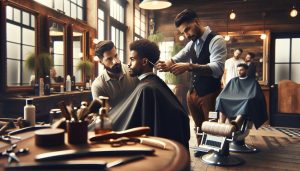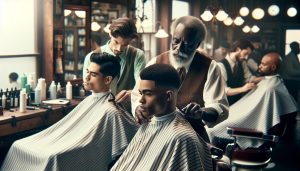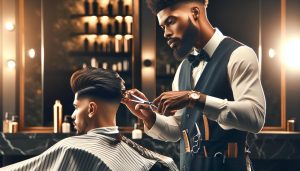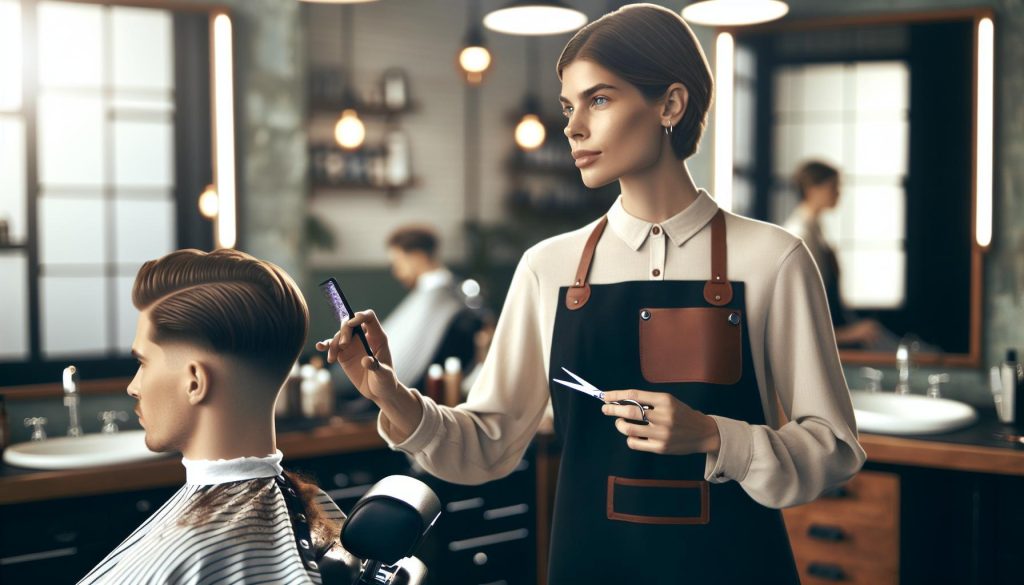
In the evolving world of grooming and style, the term “female barber” reflects not just a role, but a revolution in the industry. Historically dominated by men, barbering has seen a surge of talented women breaking stereotypes and delivering exceptional services. Understanding the various titles and modern terminology associated with female barbers is essential for anyone navigating the world of style. This knowledge empowers clients to communicate effectively with their stylists, ensuring the perfect cut or shave. As we explore the intriguing titles, techniques, and skills women bring to barbershops, you’ll discover a wealth of information designed to enhance your grooming choices and inspire confidence in your unique style. Let’s embark on this journey to celebrate the artistry and professionalism of female barbers.
What Is the Term for a Female Barber?
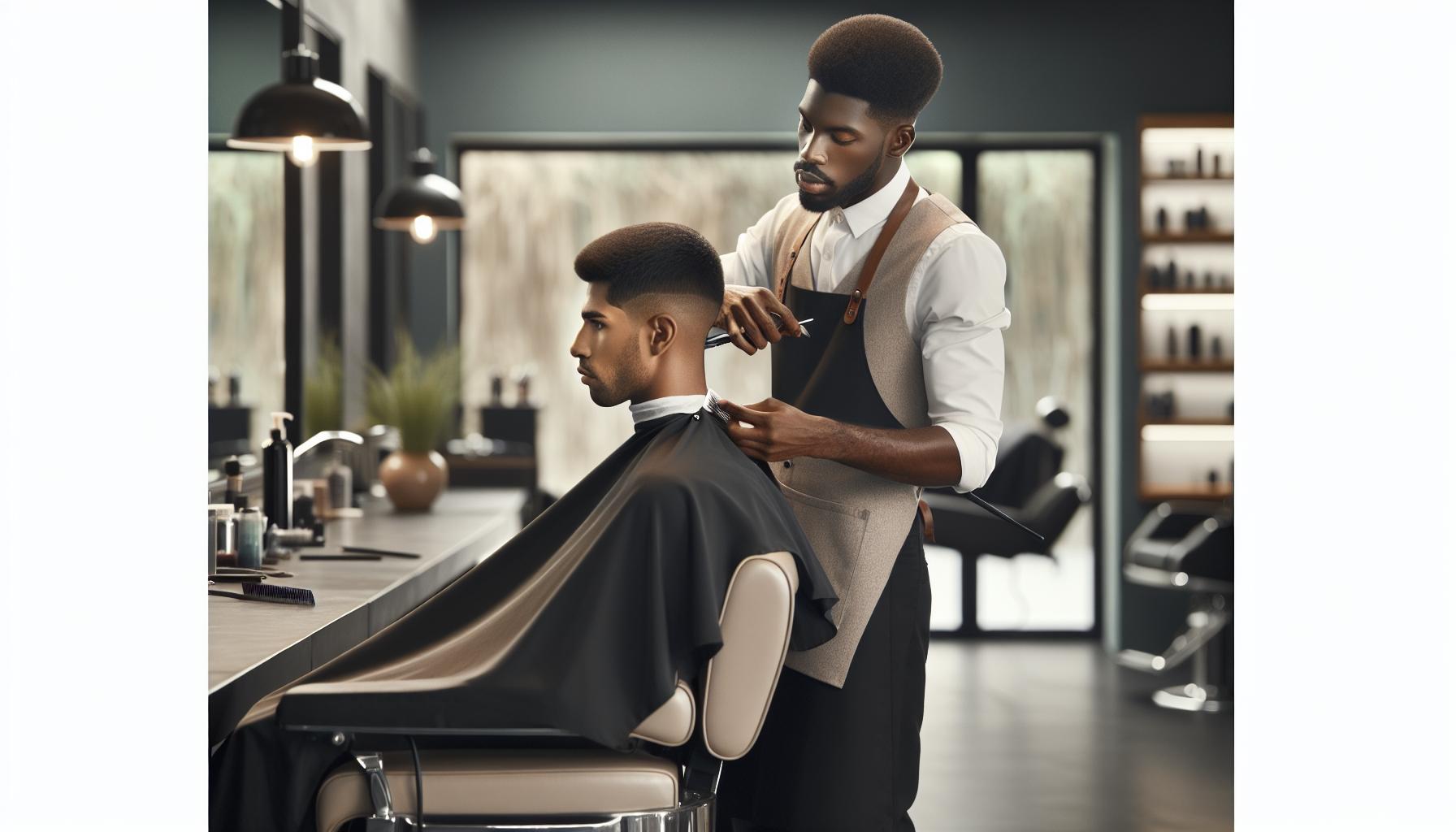
While the term “barber” historically has been viewed through a masculine lens, it is essential to understand that the profession is now embracing inclusivity, making the term gender-neutral. In modern contexts, a female barber can simply be referred to as a “barber”; the profession does not necessitate a separate label based on gender. However, in some circles, terms like “barberette” or “female barber” are used to further specify gender, but they are not universally recognized or necessary.
The evolution of barbering has seen a shift that reflects broad societal changes. Female barbers are now prominent figures within the industry, breaking stereotypes and showcasing their skills in cutting, styling, and grooming. With their unique perspectives and often more personalized service, many women bring a distinct flair to the art of barbering, challenging the traditional images associated with the profession.
Some female barbers prefer highlighting their specialization by using terms such as “hair stylist,” “men’s hairstylist,” or “precision groomer.” Yet regardless of the labels, what’s most important is the skill and artistry behind the craft. As the barbershop landscape continues to evolve, both men and women within the profession work side by side, drawing from a shared passion for hair and customer service, thus shaping a more diverse and inclusive environment that welcomes everyone.
The Evolution of Barbering Terminology
The world of barbering is undergoing a significant transformation, reflecting broader societal shifts toward gender inclusivity and diversity. Historically perceived as a male-dominated profession, the terminology surrounding barbers has evolved to embrace women who excel in this craft. Today, the term “barber” is increasingly recognized as gender-neutral, allowing female practitioners to claim their space in an industry that is as much about skill and artistry as it is about tradition. This change is not merely semantic; it’s indicative of a growing acceptance and celebration of female talent in what has long been seen as a boys’ club.
In recent years, numerous female barbers have gained recognition, not just for their technical skills but also for their unique approach to service and client relations. They often bring fresh perspectives and a nurturing touch, enhancing the barber-client experience. This evolution has led to a variety of modern terminologies that some choose to identify with, such as “men’s hairstylist” or “precision groomer.” While these terms help articulate specialization, they don’t detract from the fact that their fundamental work aligns with that of any other barber.
As the industry moves forward, it’s essential to acknowledge that the terminology used reflects cultural perceptions and biases. This evolution encourages aspiring female barbers to feel empowered in their choices, reminding them that regardless of the name they choose to use, their capabilities define their professional identity. Ultimately, as more women enter the field, the craft of barbering becomes richer and more diverse, enhancing the overall experience for every client who walks through the barbershop door.
Encouraging representation in barbering is key to ensuring that women feel welcome and validated within this space. As female barbers continue to redefine the landscape, they not only break down stereotypes but also pave the way for future generations to thrive in an industry that rewards passion, creativity, and skill.
Why the Term ‘Barber’ Is Gender-Neutral
In a world where traditional gender roles are being challenged and redefined, the term “barber” has emerged as a symbol of inclusivity and equality. The notions of what a barber does and who can hold the title have transcended historical boundaries, allowing women to claim their rightful place in an industry that has long been dominated by men. This shift is not merely a trend; it reflects a broader cultural understanding that skills and artistry know no gender. Being a barber today means mastering techniques, understanding client needs, and showcasing creativity, which are attributes that anyone can possess, regardless of gender.
The evolution of the term “barber” to a gender-neutral status comes from a collective recognition that the profession is defined by expertise and customer service rather than by the gender of the practitioner. While some may still cling to outdated views that label certain hairstyles or services as “masculine” or “feminine,” the reality is far more complex. The diversity of styles embraced in contemporary barbering-ranging from classic cuts to avant-garde designs-invites all individuals to participate, promoting a rich tapestry of talents and perspectives. This not only enhances the barbering landscape but also improves the experience for clients seeking personalized services that resonate with their personal identity.
As the barbering community grows increasingly diverse, so too does the language surrounding it. Terms like “men’s hairstylist” or “precision groomer” may still find their place, but they do not undermine the essential role of a barber. Instead, these labels serve to illustrate specialization in an ever-expanding field while maintaining the foundational identity that links all professionals under the banner of barbering. Ultimately, the industry thrives when all practitioners, regardless of gender, can proudly declare themselves barbers, unified by their dedication to the craft and the satisfaction of their clients.
Encouraging this inclusive terminology helps to empower aspiring female barbers and reinforces the message that passion, creativity, and skill are what truly define a barber, not the gender by which they are known. As the conversation continues, both emerging and established barbers can celebrate the profession as a space where everyone is welcome to express themselves and their art.
Exploring Other Modern Terms for Women Barbers
In the evolving landscape of barbering, women are increasingly using various titles that reflect their skills and specialties while also breaking traditional molds. While the term “barber” is universally accepted as gender-neutral, the shift towards modern vernacular has given rise to unique and empowering terms that can enhance the identity of female professionals in the field. One such term that has gained traction is “barberess,” a female equivalent that honors the craft while adding a feminine touch. However, it’s essential to recognize that this term may not resonate with everyone, as many professionals prefer to simply be called “barbers,” embracing the idea that artistry transcends gender.
The rise of titles like “grooming specialist” or “stylist” also reflects the multifaceted skills that contemporary barbers possess. These professionals don’t just cut hair; they provide comprehensive services, including beard grooming, hair coloring, and styling. This broader skill set encourages many women to position themselves not just as barbers but as holistic beauty and grooming experts, appealing to clients who seek a versatile range of services. By adopting these modern terms, they can more effectively communicate their expertise and attract a wider clientele.
Moreover, the emergence of tailored descriptors such as “men’s hairstylist” and “women’s grooming artist” demonstrates the shift towards specialization. These terms highlight the barber’s proficiency in various styles, techniques, and treatments suited to different demographics, fostering an environment where both men and women can find stylists who understand their unique needs. This specialization not only serves to empower female barbers but also elevates the overall client experience by promoting personal connections and tailored services.
It’s crucial for female barbers to feel confident in their titles and to choose terms that best represent their identity and professional journey. Whether they opt for the traditional “barber” or a modern designation that reflects their specialization, what truly matters is their dedication to the artistry of hair and grooming. By embracing a diverse range of titles, women in the barbering industry can celebrate their crafts while paving the way for future generations, fostering an inclusive environment where all feel welcome to express themselves through grooming and beauty.
The Rise of Female Barbers in the Industry
The growing presence of female barbers is reshaping the traditional barbering landscape, demonstrating that skill knows no gender. In recent years, an increasing number of women have entered the industry, bringing fresh perspectives, creativity, and a keen understanding of client needs. Female barbers are not just carving out a place in a predominantly male field; they are redefining the very essence of what it means to be a barber in today’s society.
A significant factor behind this rise is the shift in cultural perceptions regarding gender roles in professional spaces. As society moves towards inclusivity and equality, many women are breaking through barriers that once confined them to specific roles within the beauty industry. Today, female barbers are commonly referred to simply as “barbers,” reflecting a broader acceptance of their expertise and minimizing gender distinctions. This movement is not merely a trend but a necessary evolution that promotes fairness and equality in an industry rich with tradition.
With the growth of female representation comes an expansion of services offered. Today’s female barbers often provide a holistic approach to hair care, combining traditional barbering with contemporary techniques such as coloring, beard styling, and personalized grooming consultations. Their ability to connect with clients on a personal level helps create an inviting atmosphere in barbershops where everyone feels welcome. This connection often leads to a more loyal clientele, as clients appreciate the unique insights and understanding that female barbers bring to their craft.
As the industry continues to evolve, we can expect to see an increase in various educational programs and initiatives aimed at encouraging more women to pursue careers in barbering. Workshops, mentorship programs, and community outreach efforts are essential to empower the next generation of female barbers. By fostering an environment where women can learn from established professionals, the industry not only diversifies its talent pool but also enriches its future, paving the way for innovative styles and trends that celebrate the art of grooming.
Cultural Variations in Barber Terminology
The terminology surrounding barbers and their roles can vary significantly across cultures and regions, reflecting deeper societal norms as well as the evolution of gender roles. While the core identity of a barber is relatively universal, the linguistic nuances can be intriguing. In various cultures, terms for female barbers have emerged, each carrying its own connotations and context.
In countries like the United States and Canada, the term “barber” is becoming increasingly recognized as gender-neutral, with “female barber” commonly used to denote women in the profession. However, in some regions, traditional terms might still persist. For instance, in parts of South Asia, the term “beautician” is often used to describe those who focus primarily on women’s grooming, while the word “barber” is still predominantly associated with men. This distinction can sometimes lead to misunderstandings regarding the skill sets of female professionals in these jobs, as clients may not associate female barbers with traditional barbering skills like shaving and cutting.
Conversely, in many European countries, the acceptance of women in barbering has led to a richer, more inclusive lexicon. Terms such as “barbière” in French not only refer to women barbers but also celebrate their role in shaping grooming culture. In these settings, female barbers are gaining recognition not just for their skills but also for their unique contributions to the craft. The distinction often emphasizes their ability to connect with clients in a way that is both professional and approachable.
The global shift toward gender inclusivity in the service industry, especially barbering, shows that these cultural variations are slowly converging. As societal perceptions continue to evolve, the shared recognition of women as skilled barbers can help dismantle stereotypes and promote a more inclusive environment. This not only benefits the industry but also enhances the client experience, allowing for diverse interactions and the celebration of different grooming rituals from around the world. Embracing these cultural variations fosters a deeper understanding of the profession and encourages aspiring female barbers to proudly claim their title within the industry.
How to Celebrate Women in Barbering
Celebrating women in barbering is not just about acknowledging their presence in a traditionally male-dominated field; it’s about actively promoting their talents, skills, and contributions to the craft. In a world increasingly focused on inclusivity, recognizing and celebrating female barbers can inspire the next generation, foster community, and even reshape industry standards.
One effective way to honor women in barbering is through highlighting their achievements and stories on social media platforms, websites, or local community boards. Showcase profiles of female barbers who have made significant impacts, whether through innovative techniques, community service, or mentorship roles. This not only provides representation but also demonstrates diverse pathways to success in the industry. Additionally, hold events like “Women in Barbering” days where female barbers can offer free or discounted services while sharing their experiences and skills with clients and other aspiring barbers.
Collaboration is another powerful tool for celebration. Partnering female barbers with local businesses can create community events that spotlight their work and offer demonstrations or workshops. For example, organizing pop-up barbershop days in collaboration with local markets can attract a wider audience and create interactive experiences for enthusiasts and novices alike.
Moreover, education plays a pivotal role. By establishing scholarships or workshops specifically aimed at women wanting to enter the barbering profession, communities and salons can create a supportive environment that not only acknowledges the contributions of female barbers but also invests in their future success. This mentorship approach helps build a network of women who can share insights, techniques, and experiences crucial for professional growth.
Lastly, it is essential to advocate for equitable representation within industry standards and competitions. Encouraging female participation in barbering contests, showcasing their work, and granting them visibility in industry publications can shift perceptions, highlighting the fact that skill knows no gender. By elevating female barbers and their artistry, we reinforce that barbering is a vibrant, inclusive industry open to everyone, regardless of gender.
By actively celebrating the accomplishments of female barbers, communities not only uplift their skills and creativity but also pave the way for future generations to thrive in an ever-evolving profession.
Female Barbers: Breaking Stereotypes and Norms
There has been a significant shift in the perceptions surrounding barbering, and female barbers are at the forefront of breaking long-standing stereotypes. For years, the industry has been perceived as predominantly male, reinforcing notions that only men could wield clippers and styling shears with proficiency. However, the rise of female barbers is transforming this narrative, showcasing that skill, creativity, and passion are not constrained by gender. This evolution not only challenges traditional norms but also opens doors for greater diversity within the field, which is essential for its growth and innovation.
Female barbers bring a unique perspective to grooming, often incorporating a more holistic approach to their craft. They demonstrate that barbering is about more than just cutting hair; it is an art form that encompasses listening to clients’ needs, understanding current trends, and executing precision techniques with finesse. Many women in the industry have developed their own styles and specialties, whether it’s eclectic hair designs, vibrant color applications, or intricate fades that defy convention. They are not merely imitating their male counterparts; instead, they are forging their own paths and bringing fresh ideas that enrich the barbering community.
To further inspire and celebrate female representation in barbering, it is crucial to amplify their voices and achievements. Social media platforms serve as a powerful tool for visibility, where female barbers can showcase their work, share tutorials, and connect with clients. Additionally, hosting local events or workshops specifically highlighting women’s contributions in the field can encourage aspiring female barbers to step forward. These gatherings not only solidify community ties but also serve as inspirational spaces for women, encouraging them to share tips, collaborate, and foster a supportive network.
By continuing to challenge stereotypes and norms, these talented professionals redefine what it means to be a barber today. They represent a new wave of artists who value collaboration over competition, skill mastery over traditional gender roles, and inclusivity over exclusivity. As more women step into barbering, they are setting an example that can inspire future generations to break barriers, further enriching the industry with their creativity and vision.
The Importance of Representation in Barbering
The presence of female barbers in the grooming industry is not only a progressive shift but also a crucial aspect of cultural representation in a traditionally male-dominated field. When women take their place behind the barber’s chair, they bring diverse perspectives that enrich client experiences and expand the definition of grooming artistry. This representation is vital as it contributes to a more inclusive environment where individuals from all backgrounds and genders feel understood, valued, and empowered.
As society moves towards greater equality, the visibility of female barbers serves as an inspiration for younger generations considering a career in barbering. Seeing successful women in this profession challenges stereotypes and encourages aspiring barbers to pursue their passions, regardless of gender. Celebrating their success stories through social media, local events, or educational workshops can further amplify the impact, creating platforms for these women to share their journeys, skills, and insights. This, in turn, nurtures a supportive community where mentorship thrives and knowledge is freely exchanged.
Encouraging representation also plays a significant role in addressing the needs of a diverse clientele. Female barbers often offer unique styles and services that resonate with women and non-binary individuals looking for a tailored grooming experience. By acknowledging and supporting these stylists, barbershops can attract a broader customer base and foster loyalty among clients who value diverse perspectives in their grooming choices.
Investing in representation means recognizing that every haircut or grooming session can be an opportunity to celebrate individual identity. Female barbers not only excel in technique but also promote conversations around self-expression, confidence, and style. By elevating women’s roles in barbering and recognizing their contributions, the industry as a whole can progress toward a more inclusive future, welcoming customers and professionals of all identities to participate and thrive.
Barbering Education: Paths for Women in the Trade
The journey into the world of barbering offers women an exciting pathway for creativity and entrepreneurship, often overlooked in the past. With a rising number of women breaking into this thriving industry, educational institutions are stepping up to provide tailored programs that focus on honing the skills necessary for success. Attending a barbering school is one of the most effective ways for aspiring female barbers to establish a solid foundation, gain hands-on experience, and learn essential techniques in cutting, styling, and grooming.
Many academies offer specialized programs that cater specifically to women’s interests in barbering while still covering all traditional aspects of the trade. These programs typically include courses on advanced haircutting techniques, understanding facial structures, and mastering the use of tools like clippers and shears. Schools such as Florida Barber Academy and the American Institute of Beauty have developed comprehensive curricula that prioritize both tradition and the unique preferences of female clientele. Their emphasis on practical experiences ensures that students not only learn theory but also practice their skills in real-world settings, making them ready for the salon environment upon graduation [1].
Furthermore, mentorship programs and networking opportunities abound in this field. Female barbers can attend workshops and seminars designed to connect them with industry veterans and fellow aspiring barbers. These platforms are invaluable for sharing insights, honing skills, and finding community support. Celebrating the success of female barbers through storytelling and showcasing their achievements can foster an encouraging atmosphere that inspires new entrants to pursue their passion wholeheartedly.
The path to becoming a proficient barber is not just about acquiring cutting techniques; it also involves mastering customer service skills, understanding business operations, and cultivating a personal brand. As female barbers navigate these elements, they not only position themselves for successful careers but also contribute to reshaping industry perceptions and elevating the standards of grooming services. With the right education and support, women have the power to redefine the barbering profession while paving the way for future generations of stylists.
Essential Tools Every Female Barber Should Own
To thrive in the competitive world of barbering, every female barber should equip herself with the right tools, not just for practical purposes, but also to showcase her style and professionalism. Owning quality tools not only enhances performance but also builds confidence when engaging with clients. Here’s a detailed look at essential tools that every aspiring or established female barber should have in her kit.
Essential Barbering Tools
- Hair Clippers: A high-quality clipper set is crucial for efficient cutting and styling. Look for clippers that offer various blade lengths to achieve different styles, from fades to longer cuts.
- Shears: Invest in professional-grade shears. A pair of sharp, well-balanced scissors allows for clean cuts and precision layering, which is vital for any hairstyle.
- Thinning Shears: Also known as texturizing shears, these are indispensable for reducing bulk and adding texture without altering the length drastically.
- Comb and Brush Set: A quality set of combs and brushes is essential for sectioning, smoothing, and styling hair. Consider a vent brush for blow-drying and a wide-tooth comb for detangling.
- Barber Cape: A stylish cape not only serves a practical purpose in keeping clients clean but also reflects the barber’s personal brand.
- Clipper Blade Oil: Regular maintenance of clippers prolongs their lifespan. Clipper oil is essential for keeping blades sharp and functioning smoothly.
- Razors: A straight razor can be used for detailing and refining styles, particularly for sharp lines and necklines. Safety razors are a good alternative for those looking to practice safely.
- Apron: A durable apron not only protects clothing but also provides pockets for tools, making them easily accessible while cutting.
- Mirror: A portable hand mirror allows clients to see their hair from all angles, providing a professional touch during consultations.
- Disinfectant Spray: Keeping tools sanitary is vital for any barber. A good disinfectant spray helps maintain hygiene standards and protects clients.
Choosing the Right Tools
When selecting tools, consider investing in brands that cater specifically to barbers. Many brands have product lines designed for durability and performance. Additionally, attending trade shows or workshops can provide opportunities to test tools first-hand, ensuring that you choose what feels best for you.
Incorporating these essential tools not only equips female barbers to handle a range of hairstyles but also sets the stage for creating a successful, professional image in the industry. By achieving quality in both equipment and technique, female barbers can confidently elevate their skills and provide exceptional service, ultimately paving the way for greater recognition and success in a traditionally male-dominated field.
Customer Experiences: What Women Seek in Barbershops
When it comes to the barbershop experience, women often have specific expectations that shape their search for a skilled barber. A welcoming atmosphere can significantly impact a woman’s choice of barbershop, making it essential for establishments to foster an inclusive environment. Many women seek a space where they can feel comfortable discussing their hair needs without feeling pressured or judged. This includes being able to express their desired styles clearly, as well as having the freedom to ask questions about the techniques being used.
Strong communication skills stand out as a primary attribute women value in a barber. Female clients appreciate barbers who are not only adept at hair styling but also take the time to listen and engage in conversations about their preferences. When women feel seen and heard, it often translates into a higher satisfaction with their service. Including consultations before the haircut can empower clients with a sense of control over the outcome, fostering trust in the barber’s expertise.
Hygiene and sanitation are other critical factors influencing women’s choices in barbershops. They expect a clean facility, from the tools used to the overall environment. Observing staff practices, such as tool sanitation and client care protocols, can significantly affect a woman’s decision to return for future visits. Moreover, the availability of female barbers can also enhance the experience for some women, providing a sense of relatability and comfort that aligns with their grooming needs.
The evolution of barbering terminology reflects the changing dynamics within the industry. Acknowledging modern terms for female barbers, many clients are recognizing that they do not have to compromise on the quality of service provided by women in the field. Instead, they look for expertise combined with an understanding of their unique requirements, thereby creating a robust and inclusive customer experience where every woman feels valued and respected.
FAQ
Q: What is a female barber called in modern terminology?
A: In modern terminology, a female barber is commonly referred to simply as a “barber.” The industry increasingly embraces gender-neutral terms, maintaining that skill and expertise define the profession, not gender.
Q: Are there specific titles for women barbers?
A: While “barber” is the primary designation, some women may choose titles like “hair stylist” or “master barber,” especially in salons that highlight gender inclusivity. These titles can reflect specialization and personal branding in their services.
Q: Why is the term ‘barber’ considered gender-neutral?
A: The term ‘barber’ is gender-neutral as it describes the skills and services provided rather than the gender of the practitioner. This promotes inclusivity and recognizes the professionalism of all individuals in the barbering field.
Q: What are some skills that female barbers typically excel at?
A: Female barbers often excel in cutting, styling, and coloring hair, as well as providing personalized consultations. Their expertise can elevate their clientele’s experience, focusing on client satisfaction and contemporary trends.
Q: How can I find a female barber in my area?
A: To find a female barber in your area, search online via local business directories or social media. Websites like Yelp or Google Maps can provide listings and reviews to help identify skilled female barbers near you.
Q: What should I expect from a female barber compared to a male barber?
A: Expect similar quality service from both female and male barbers. Individual styles and approaches may vary, but professionalism and skill in cutting and styling are universal across genders.
Q: Are there challenges that female barbers face in the industry?
A: Female barbers often face challenges such as gender bias and stereotypes in a traditionally male-dominated industry. However, many are breaking barriers and succeeding through hard work and skill.
Q: What educational paths are available for women interested in barbering?
A: Women interested in barbering can pursue vocational training programs, beauty schools, or apprenticeships. These avenues offer essential skills and knowledge to excel in the field, paving the way for successful careers.
Future Outlook
As we’ve explored, the evolution of what we call female barbers showcases the growing recognition and empowerment of women in the grooming industry. Whether you refer to them as barbers, stylists, or grooming experts, these talented professionals are redefining the standards of barbering. Don’t wait to discover more about this dynamic field-check out our articles on the top barbering tools and tips for aspiring barbers to kickstart your journey today!
If you’re looking to deepen your expertise in beauty and grooming, be sure to explore our makeup tutorials and product reviews that provide the resources you need to shine, whether you’re a novice or a seasoned professional. Engage with us by leaving your thoughts in the comments, sharing this post, or signing up for our newsletter for the latest insights and trends in beauty and barbering. Embrace your style and join the community dedicated to excellence in grooming!