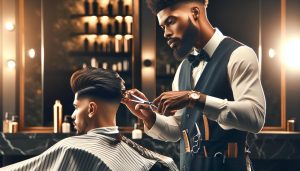
In a world where first impressions matter, the role of an exceptional barber cannot be overstated. From transforming hairstyles to enhancing personal style, the best barbers are artists who blend creativity with skill. But who truly stands out as the best barber in the world? This article delves into the top barbers, revealing their unique techniques, inspiring stories, and the philosophies that drive their craft. Whether you’re a grooming enthusiast seeking inspiration or a professional barber aiming to elevate your skills, discovering these masters of their trade will ignite your passion and guide you towards excellence in barbering. So, get ready to explore the artistry behind the scissors and clippers, and uncover the legends shaping the future of grooming.
Who Are the Leading Barbers in the World?

The world of barbering is rich with talent, and numerous barbers have earned accolades for their artistry and skill, each contributing to the evolving landscape of men’s grooming. Among the leading figures in this domain are barbers who not only excel in technical expertise but also infuse creativity into their work, making lasting impressions on their clients and the industry.
One notable barber is Julius Cvesar, known for his precision and innovative styling techniques. He has become a prominent figure on social media, showcasing his ability to transform ordinary haircuts into works of art. His signature styles often emphasize sharp lines and intricate fades, appealing to a broad client base. Julius has also created educational content, helping aspiring barbers hone their skills through tutorials and live demonstrations.
Another standout is Kenny Duncan, who has made a name for himself with the meticulousness of his work and his dedication to the craft. His cutting-edge styles, including textured crops and modern quiffs, reflect trends while maintaining a classic feel. Kenny also emphasizes the importance of barber-client relationships, ensuring each haircut is tailored to the individual, which has garnered him a loyal clientele and respect within the barbering community.
Additionally, Tito Araujo is revered for his mastery of traditional techniques blended with modern aesthetics. He has won multiple awards at barber competitions and is known for his work on celebrity clients. Tito’s contributions to the craft go beyond haircuts; he actively participates in workshops and mentorship programs, fostering the next generation of barbers and promoting high standards in the industry.
These leading barbers exemplify the creativity, skill, and dedication to customer service that define success in the field. By staying abreast of trends, investing time in education, and cultivating strong relationships with their clients, they set a high bar for aspiring barbers and illustrate the artistry inherent in their profession. Whether through traditional cuts or contemporary styles, their passion for barbering continues to inspire others in the industry.
Unveiling the Artistry Behind Top Barbers

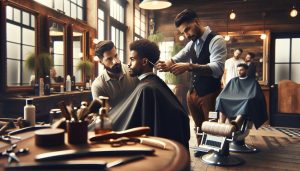
Barbering is not simply a service; it is an art form that combines technique, creativity, and personal connection. At the forefront of this craft are top barbers who transcend traditional haircuts, transforming each appointment into a personalized experience that reflects both their skill and their client’s individuality. This artistry is displayed not only in their signature styles but also in their ability to understand and interpret the unique desires of their clients, making each haircut a collaboration rather than a mere service.
Among these artists are masters who have set benchmarks in the industry, often sharing their journey through social media platforms and educational workshops. They showcase how the right blend of technical precision and artistic flair can create a look that complements a client’s personality and lifestyle. For instance, barbers like Julius Cvesar epitomize this ethos, using advanced techniques to execute hairstyles with precision, sharp lines, and intricate fades that resonate with modern trends while being uniquely tailored to each client’s preferences.
Moreover, the ability to adapt to different hair types and textures is a hallmark of these top professionals. Recognizing that every client’s hair presents distinct challenges and opportunities for styling, they emphasize the importance of understanding the products and techniques that work best for various textures. This knowledge is crucial, as it empowers barbers not only to execute their craft with excellence but also to educate clients on maintaining their style at home, thus enhancing the overall customer experience.
To truly appreciate the artistry behind top barbers, one must recognize the importance of the tools they wield. From high-quality clippers to finely crafted scissors, these tools serve as extensions of their creativity and skill. Each instrument is chosen with a purpose, ensuring that the finished look is not only stylish but also well-crafted and long-lasting. In nurturing their artistry, these barbers continuously engage in learning, adapting to emerging trends while grounding their techniques in the foundational skills that define exceptional barbering. This commitment to growth and excellence truly sets these artists apart, elevating them in the world of grooming and style.
A Deep Dive into Barbering Techniques
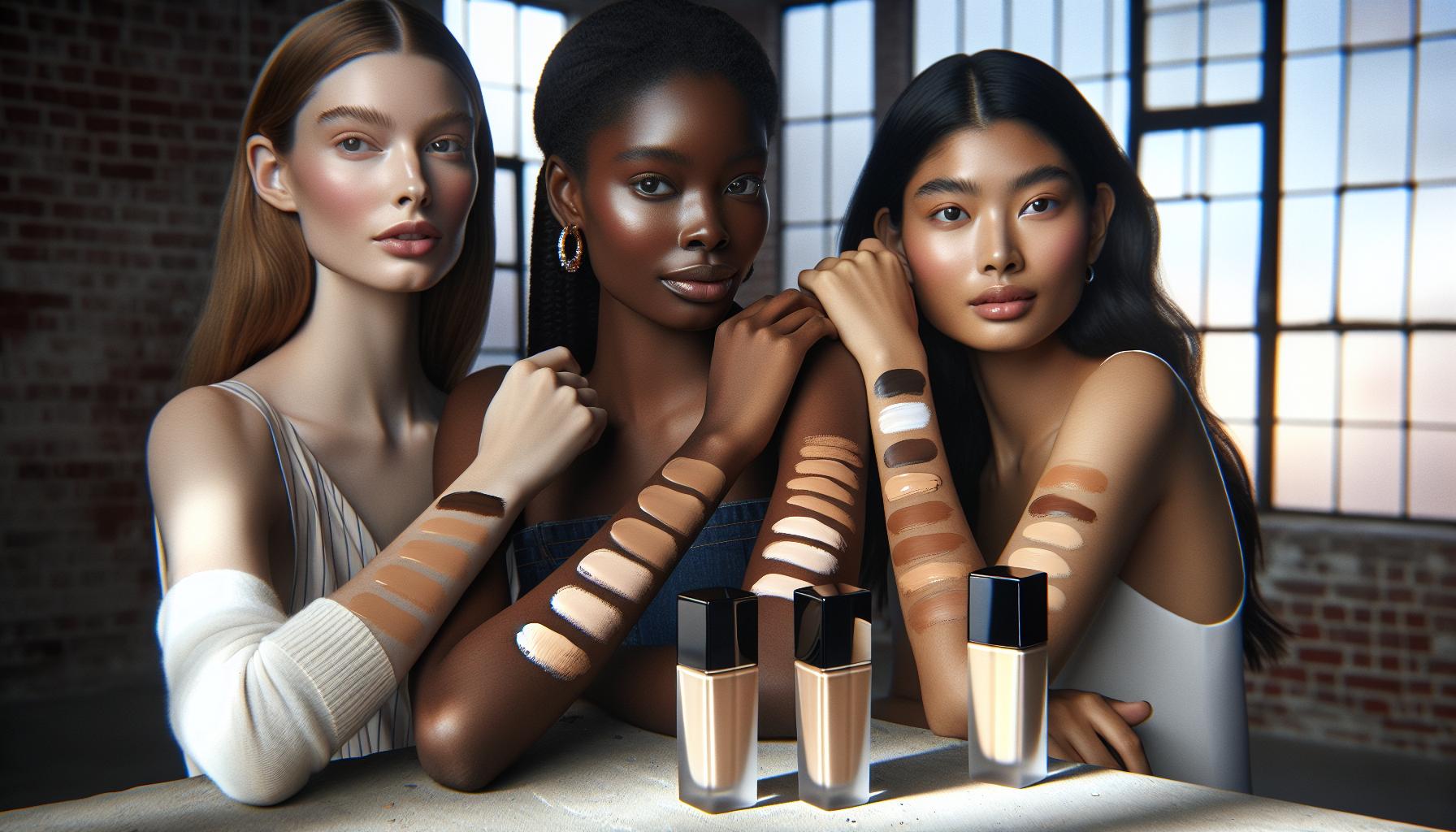
The world of barbering is a realm where artistry and precision intersect, creating styles that resonate far beyond the chair. Renowned barbers are not just practitioners of a trade; they are custodians of technique, employing a nuanced understanding of hair cutting that sets the benchmark for the entire industry. From classic styles to modern trends, a rich repertoire of skills allows these masters to cater to diverse client needs while pushing the boundaries of conventional grooming.
To excel in this field, barbers utilize a variety of essential techniques that encompass both traditional and contemporary methods. Fade cuts, for example, are a staple across many styles, requiring an eye for detail and a steady hand. The ability to execute a perfect blend from short to long hair while seamlessly transitioning between lengths is a hallmark of top barbers. This technique not only requires skill but also an understanding of head shape and hair growth patterns, allowing them to optimize the haircut for each individual.
Another vital aspect of barbering is scissor-over-comb cutting, particularly beneficial for managing thicker hair textures. This method allows for a controlled, precise cut that can remove bulk while maintaining shape. Coupled with a strong foundational knowledge of different hair types and textures, barbers can tailor their techniques to suit every client’s uniqueness, enhancing their overall grooming experience.
Most barbers also swear by the importance of styling and finishing techniques. Applying the right products is crucial-whether it’s pomades, waxes, or creams-to achieve the desired hold and finish. These products not only shape the style but also contribute to the health of the hair. Expert barbers educate their clients on how to maintain their looks beyond the salon chair, recommending specific home care routines tailored to individual hair types, ultimately enhancing customer satisfaction.
Ultimately, the techniques that the best barbers employ are as much about skill as they are about creativity. By understanding the fundamentals and liberally applying their artistic vision, these professionals create hairstyles that are not only visually appealing but also reflect the client’s personality. Whether it’s through an intricate design shaved into the hairline or a dramatic undercut, the artistry in these methods places barbers at the forefront of style innovation, making them invaluable figures in the world of grooming.
The Evolution of Barbering Styles Through History

The narrative of barbering is rich and textured, tracing back thousands of years across civilizations, each contributing its distinct styles and trends. Ancient Egyptians, for instance, revered barbers, incorporating them into their social and religious rites. They were not just cutting hair; they were fashioning identities. Men often shaved their heads to symbolize purity and masculinity, while wigs adorned with intricate braids were used by the elite to signify status. As barbering practices spread throughout cultures, they adapted and transformed, heavily influenced by evolving aesthetic values and social hierarchies.
During the Middle Ages, barbers took on additional roles, functioning not only as hairdressers but also as surgeons and dentists. The iconic barber pole, with its red (representing blood) and white (representing bandages) stripes, originated from this era. As the Renaissance emerged, the craft saw a resurgence of creativity, leading to diverse styles ranging from long, flowing locks to short, cropped cuts. Men’s grooming began integrating art and science, with barbers honing their techniques, which would set the stage for competitive barbering in modern times.
In the 20th century, social revolutions ushered in new styles that reflected the sentiments of the times. From the slicked-back styles of the 1950s to the diverse expressions of the punk movement in the 1970s, barbers adapted quickly to cultural narratives. The art of barbering saw a renaissance, with male grooming becoming a focal point in popular culture, often tied to concepts of masculinity and individual expression. Contemporary barbers, now regarded as style pioneers, often use social media platforms to showcase their work, merging traditional techniques with modern aesthetics, and defining trends that resonate globally.
Today, the evolution of barbering reflects an intricate tapestry woven from history, culture, and art. Barbers are seen not just as stylists but as innovators who blend classical craftsmanship with the latest trends. This ongoing evolution fosters an environment where barbers continuously educate themselves, drawing from diverse hair types and global styles, solidifying their position as essential contributors to the world of grooming and personal care.
Essential Tools Every Top Barber Uses
Every top barber knows that the right tools can elevate their craft to an art form. The mastery of barbering hinges on not just skill and experience but also on the quality and variety of equipment at hand. Here’s an overview of the essential tools that every proficient barber relies on to ensure precision, creativity, and an exceptional client experience.
Clippers and Trimmers
The cornerstone of any barber’s toolkit, professional clippers and trimmers are indispensable for achieving various styles and cuts. Look for clippers that offer a range of blade sizes for versatility. Brands like Wahl and Andis are renowned for their durability and performance. Trimmers, such as those from Babyliss and Oster, are perfect for detailing and achieving clean edges, making them crucial for fade hairstyles and beard outlines.
Scissors and Shears
A quality pair of scissors or shears is essential for any barber who values precision in cutting. Opt for high-quality stainless steel scissors that can withstand daily use without dulling quickly. For added finesse, consider using thinning shears to blend and texture hair seamlessly. Different styles of scissors provide diverse cutting options, enabling barbers to tailor their technique according to each client’s preferences.
Combs and Brushes
Combs and brushes are vital not only for sectioning hair but also for styling. A fine-tooth comb is excellent for creating intricate designs and detailing, while a wide-tooth comb is better for detangling and preparing hair for cutting. Brushes, particularly those with natural bristles, are ideal for distributing styling products evenly.
Shaving Tools
For barbers offering shaving services, the right tools can turn a simple haircut into an extensive grooming experience. Straight razors are preferred for their precision; they allow for a close shave and clean lines. Pair them with high-quality shaving creams or soaps that prepare the skin and hair to withstand the blade for optimal results. Additionally, post-shave balms are essential to soothe and hydrate the skin, leaving clients feeling refreshed.
Educational Tools
Finally, as the industry evolves, continuous education is vital. Barbers should invest in training materials, attend workshops, and explore online courses. Many leading barbers share valuable techniques on platforms like YouTube and Instagram, providing inspiration and guidance on modern styles and trends.
By investing in these essential tools and consistently honing their skills, barbers can elevate their craft and client experience, making them not just service providers but artists in the world of grooming.
Top Global Barber Competitions You Should Know
Barber competitions are a vibrant showcase of skill, creativity, and artistry in the grooming industry, attracting some of the best talents from around the globe. These events not only celebrate barbers’ craft but also push the boundaries of innovative cuts and styles, providing a platform for barbers to demonstrate their expertise and connect with fellow professionals. Aspiring and established barbers alike can gain invaluable insights and inspiration from these competitions, as they often highlight the latest trends and techniques that are transforming the industry.
Among the most prestigious competitions is the American Crew All-Star Challenge, where barbers from various countries compete to create unique looks that embody the essence of contemporary masculine grooming. Participants are judged based on technical precision, creativity, and how well they interpret the challenge theme. This competition has launched the careers of many prominent barbers and serves as a benchmark for industry excellence.
Another significant event is the Barber Battle, held at various hair shows worldwide, featuring multiple categories such as best fade, best beard, and best overall haircut. These battles create a dynamic and competitive atmosphere that encourages barbers to refine their skills and push creative boundaries. The camaraderie and networking opportunities available at these events also serve to inspire the next generation of barbers.
Preparation and Participation
To prepare for a barber competition, contestants must not only hone their technical skills but also be well-versed in the latest trends and styles. Here are some key preparation tips:
- Practice Regularly: Frequent practice helps in mastering the precision and speed required for timed competitions.
- Stay Updated: Follow industry leaders and social media trends to understand what styles are currently popular.
- Have a Strategy: Develop a plan for your presentation, including the style you will create and the narrative you want to convey.
- Gather Feedback: Share your work with peers or mentors for constructive criticism that can help refine your technique.
The experience gained through competition not only enhances individual skills but also contributes to the barbers’ overall understanding of the industry’s direction, ultimately influencing their career trajectory and helping them to stand out in a crowded marketplace. Engaging in these competitions can elevate your status within the community and inspire countless others in the craft.
Customer Experience: What Makes a Great Barber?
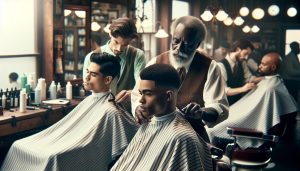
Creating a memorable customer experience is paramount for barbers aspiring to be the best in the world. A great barber understands that a haircut is not just a service; it’s an experience that revolves around the client’s needs, preferences, and emotions. The ability to connect with clients and provide a sense of comfort and confidence can be the differentiating factor between a good barber and a great one.
A welcoming atmosphere is the first step in ensuring an outstanding customer experience. From the moment a client walks through the door, they should feel valued and at ease. This can be achieved through thoughtful interior design-comfortable seating, appropriate lighting, and a clean environment-as well as friendly interactions that make clients feel like they belong. Providing complimentary beverages, such as coffee or water, can also enhance the experience, making clients feel pampered and respected.
Active listening is another crucial element. A skilled barber takes the time to understand their client’s vision and not only asks the right questions but also provides professional input based on the client’s hair type and desired style. Engaging conversations can help build rapport and trust, allowing clients to express their preferences without hesitation. It’s important for barbers to remain adaptable-what works for one client may not suit another, so tailoring services to individual needs is key.
Techniques for Exceptional Customer Engagement
To consistently deliver a top-notch experience, consider implementing the following techniques:
- Personalized Consultations: Always offer a consultation before starting any service. This includes assessing the client’s hair texture, growth patterns, and preferred styles to ensure alignment with their expectations.
- Continuous Education: Stay abreast of the latest trends, techniques, and products. Knowing the current styles not only empowers the barber to make recommendations but also demonstrates professionalism and expertise.
- Follow-Up Communication: After an appointment, consider sending a follow-up message to gauge client satisfaction and invite feedback. This strengthens the relationship and shows a commitment to service excellence.
Finally, creating an engaging social media presence allows barbers to showcase their work, communicate with clients, and build community. Sharing tips, tutorials, and before-and-after shots can attract new clients and keep existing ones excited about upcoming appointments.
To excel in barbering, focus not only on hair artistry but also on the entire customer journey. Every detail matters-every interaction, every haircut, and every moment spent in your chair contributes to the legacy you create as a top-tier barber. By fostering an environment of trust, understanding, and personalized care, barbers can leave lasting impressions, turning one-time visitors into lifelong clients.
Mastering Hair Types and Textures for All Clients
Understanding the diverse array of hair types and textures is essential for any barber aspiring to master their craft. Each client presents a unique canvas, and knowing how to work with varying textures can elevate the quality of service, ensuring a tailored experience that meets individual preferences. From straight and fine hair to coily and thick locks, the best barbers recognize the importance of adapting their techniques and tools to suit each unique texture.
For instance, barbers should note that different hair types respond differently to certain cutting techniques. For fine or straight hair, techniques such as blunt cutting may add the desired weight and volume, while layering can enhance movement. On the other hand, curly or coily textures may benefit from specialized techniques like the twist-cut or dry cutting, which can help maintain the natural shape and prevent frizz. Familiarizing oneself with these methods not only increases confidence in delivering the desired results but also fosters a strong rapport with clients.
To achieve outstanding results, barbers should also invest in the right tools. Having a variety of scissors, clippers, and texturizing tools on hand is crucial for effectively addressing the needs of diverse hair types. For instance, curved scissors can be particularly beneficial when working with textured or curly hair, allowing for better manipulation and control. Additionally, using different blade guards on clippers can help achieve varied lengths, essential for creating fades or tapered styles.
Educating clients about their specific hair type can also enhance their overall experience. Barbers can share product recommendations and styling tips tailored to individual textures, empowering clients to maintain their look between visits. Engaging clients in conversations about their hair care routines fosters relationships built on trust and expertise, transforming the salon experience into a collaborative one. By mastering the nuances of various hair types and textures, barbers not only refine their technical skills but also position themselves as credible authorities in their field, attracting a loyal customer base and setting themselves apart as leaders in the industry.
The Business of Barbering: Building a Successful Brand
Establishing a successful brand in the barbering industry transcends just haircuts; it’s about crafting a unique identity that resonates with clients. The best barbers understand that their brand is a reflection of their skills, values, and the atmosphere they create. This holistic approach involves developing a consistent experience that keeps clients coming back, whether through the ambiance of the shop, the quality of service, or the personal touch a barber adds to each appointment.
To cultivate a powerful brand, barbers should focus on several key elements:
- Defining Your Niche: Identify your target audience and the specific services you excel in-be it classic cuts, modern styles, or specialized treatments. Tailoring your marketing efforts to this demographic can set you apart in a crowded market.
- Creating an Inviting Atmosphere: The physical environment matters. From décor to music to the level of cleanliness, every detail contributes to the overall experience. A welcoming shop encourages patrons to relax and enjoy their visit, fostering loyalty and word-of-mouth recommendations.
- Building a Strong Online Presence: Utilize social media platforms to showcase your work, share testimonials, and engage with clients. Regularly posting before-and-after photos or styling tips can create a community around your brand, drawing in both new and returning customers.
- Developing Customer Relationships: Personalized service is invaluable. Get to know your clients, remember their preferences, and communicate openly. This encourages clients to feel valued and fosters a sense of loyalty.
In addition to these foundational elements, barbers can enhance their brand by being involved in their local community-sponsoring events or supporting local charities can establish goodwill and increase visibility. Furthermore, continuing education and staying abreast of the latest trends can position barbers as experts and thought leaders in the field, attracting clients who seek innovative styles and techniques.
Ultimately, building a successful brand in barbering is an ongoing journey. It requires adaptability, creativity, and a keen understanding of both your craft and your clientele. By embracing these principles, barbers can not only achieve personal success but also contribute positively to the industry as a whole.
Educational Pathways to Becoming a Master Barber
To excel as a barber in today’s fast-paced and diverse beauty industry, formal education is essential. The journey towards mastering the art of barbering begins with a foundation in education, often through vocational training or specialized barber schools. These institutions not only teach technical skills but also the business acumen needed to thrive in the industry, ensuring that barbers can offer a full-service experience to their clients.
Types of Educational Programs
There are various educational pathways aspiring barbers can pursue, each designed to equip them with the necessary skills. Here’s a breakdown of popular options:
- Barbering Diploma or Certificate Programs: Typically lasting from 9 months to 2 years, these programs focus on hands-on training, covering haircutting, shaving, skin care, and styling techniques. They often include client management and safe practices in barber settings.
- Associate Degree in Barbering: For those looking to combine barbering with broader business principles, some schools offer a two-year associate degree that delves deeper into specialized subjects, including marketing and entrepreneurship in the beauty industry.
- Apprenticeships: Completing a formal apprenticeship under an experienced barber allows for real-world training. This direct mentorship helps newcomers to refine their techniques in a professional setting while gaining valuable customer service skills.
Essential Skills and Knowledge Areas
To become a master barber, individuals should focus on a range of skills beyond mere haircutting. Mastery in the following areas is paramount:
- Advanced Cutting Techniques: An understanding of different hair types and advanced cutting methods to create styles tailored to individual clients.
- Color Theory: Knowledge of how hair color works, including dye application techniques, can expand service offerings significantly.
- Product Knowledge: Familiarity with hair care products and tools-like clippers, shears, and styling gels-enables barbers to provide customized consultations to clients.
- Business Management Skills: Barbers must also learn about marketing, financial management, and customer relationship management to establish and maintain a successful brand.
Certification and Licensure
Upon completing their educational programs, aspiring barbers must obtain the required licensure to practice legally. This often involves passing a state board examination, which tests practical skills and knowledge of safety, sanitation, and cutting techniques. Continuous education and re-certification can enhance credibility and keep barbers up-to-date with evolving trends and techniques.
Incorporating these educational pathways and qualifications into your journey not only leads to technical proficiency but also provides the framework to create an impressive portfolio and brand presence. The skills gained through a structured educational framework can set passionate barbers on the path to recognition as some of the best in the world, ultimately delivering artful and personalized grooming experiences to their clients.
Celebrity Barbers: Influencers of Style and Technique
Celebrity barbers have transformed not just the grooming experience but also the fashion landscape, elevating the profession to a prestigious height. These master barbers are known not only for their extraordinary skills with scissors and clippers but also for their ability to set trends and inspire their clients and followers. From innovative hairstyles to classic cuts reimagined, their work often influences what is deemed stylish and modern.
Among the renowned names in this sphere is Mark McGowan, who gained fame for his personalized approach and has adeptly combined the love for barbering with an impressive online presence. Barbers like McGowan utilize social media platforms, showcasing their work through vibrant images and tutorials that attract a significant following. His meticulous technique and unique flare have made him a go-to for celebrity clients, making waves in both the barbering and fashion realms. Lorenzo Marquez, another example, pushes creative boundaries with intricate designs and innovative styles that engage younger generations, emphasizing individuality.
Moreover, celebrity barbers often participate in educational venues, sharing their expertise through workshops and seminars. They empower aspiring barbers to hone their techniques while promoting the values of creativity and professionalism in the industry. Having access to their insights can equip newcomers with a fresh perspective on trends and techniques, fostering growth within the barbering community.
To stay at the forefront, they also emphasize the importance of adaptability and continuous learning in their craft. By following industry trends in styles and tools, they maintain relevance amidst an evolving fashion landscape. Their influence extends beyond mere haircuts, encouraging barbers everywhere to aspire to excellence and creativity, shaping the next generation of grooming professionals.
Future Trends in Barbering: What to Expect
As the grooming industry continues to evolve, barbers are at the forefront of not just fashion but also innovative techniques and tools that redefine personal care. With the rise of social media and online tutorials, the accessibility of barbering knowledge has increased dramatically, leading to a surge in style diversity and customization that caters to individual preferences like never before.
Personalization and Customer-Centric Approaches
One of the most significant trends gaining momentum is the emphasis on personalization. Clients no longer seek just a haircut; they desire a tailored experience that resonates with their personality and lifestyle. Top barbers are honing their consultation skills to better understand their clients’ needs, offering custom solutions that incorporate cutting-edge techniques alongside classic styles. The rise of apps and digital platforms also facilitates better communication between barbers and clients, allowing for ongoing dialogues about style preferences and maintenance.
Technology Integration in Barbering
The integration of technology into barbering is another exciting trend. Tools such as augmented reality (AR) can help barbers demonstrate hairstyles in real time, giving clients a visual guide before making a decision. This technology can bridge the gap between expectation and reality, enhancing the client experience and next-level engagement. Moreover, the use of appointment scheduling software and CRM systems allows barbers to manage their businesses more efficiently, streamlining operations and improving customer retention.
Focus on Sustainable Practices
Sustainability is increasingly becoming a core value within the barbering community. As consumers become more environmentally conscious, top barbers are adopting eco-friendly practices-such as using organic products and recyclable tools. The rise of sustainable grooming products appeals to a new generation of customers who prefer brands aligned with their values, encouraging barbers to advocate for change within the industry. Offering clientele a wide range of eco-friendly products not only enhances their service portfolio but also positions them as socially responsible professionals.
Collaborative Spaces and Community Building
Finally, the trend towards collaborative workspaces is another vital development in the barbering world. Establishing barbering hubs that host workshops, events, and community gatherings fosters relationships between professionals and clients while elevating the craft of barbering to new heights. These spaces encourage skill-sharing and elevate collective expertise, inspiring a new wave of fresh ideas and artistic collaboration among barbers.
As grooming continues to diversify and embrace creativity, the future holds a wealth of opportunities for barbers to express their artistry. Embracing these trends ensures that barbers remain not only relevant but also influential in shaping personal and societal standards of style, ultimately revolutionizing the grooming experience.
Frequently asked questions
Q: Who are the most influential barbers in the industry today?
A: Influential barbers include personalities like Julius Caesar, known for his exceptional fading techniques, and Chris B. of “Hair Benders,” who innovates styles using avant-garde techniques. These artists not only excel in skill but also significantly impact barbering culture and trends globally.
Q: How can I find the best barber in my area?
A: To find the best barber nearby, use online reviews and platforms like Yelp or Google Maps. Look for barbers with high ratings and positive feedback regarding their skill, customer service, and specialty in styles you prefer.
Q: What distinguishes a master barber from a regular barber?
A: A master barber often has extensive training and experience, possesses advanced techniques, and offers a wider array of services. They are usually licensed professionals who continually update their skills through education and competitions in the barbering field.
Q: What training is required to become a top barber?
A: Becoming a top barber typically requires formal training from a barbering school, which includes practical skills and theory in hair cutting, styling, and grooming. Apprenticeships can also provide valuable hands-on experience under seasoned professionals.
Q: What are the key trends in barbering for 2025?
A: Trends for 2025 include increased personalization in styles, the rise of eco-friendly products, and the integration of technology in appointments and customer interactions. Barbers are expected to deliver tailored experiences, emphasizing unique client preferences and sustainable practices.
Q: How do I choose the right haircut for my face shape?
A: Selecting the right haircut involves identifying your face shape-round, square, oval, or heart-and choosing styles that complement it. For instance, longer hairstyles can elongate round faces, while layered cuts can soften square jawlines. Consulting with a skilled barber can also provide personalized advice.
Q: What should I expect during a professional barber consultation?
A: During a professional barber consultation, you should expect an assessment of your hair type, lifestyle preferences, and face shape. The barber will discuss style options and provide recommendations to achieve the best results tailored to your individual characteristics.
Q: How can a barber improve their craft?
A: Barbers can enhance their skills by attending workshops, taking advanced courses, and participating in competitions. Additionally, seeking feedback from clients and continuing to experiment with new techniques and styles can lead to significant improvement in their craft.
In Summary
As we wrap up our exploration of “Who Is the Best Barber in the World? Top Artists Revealed,” it’s clear that the artistry and skill of barbers transcend mere haircuts-it’s about personal expression and confidence. Whether you’re searching for inspiration for your next style or aiming to refine your professional craft, these top artists showcase what it means to lead in the grooming space. Don’t let the opportunity pass to discover techniques and tips that could elevate your own grooming or barbering journey!
For those eager to delve deeper into the world of beauty and grooming, check out our guides on makeup artistry with essential product reviews on Seint and Thrive, or explore our insights on mastering barbering techniques. If you’re ready to make a change, consider signing up for our newsletter for exclusive updates and tips that cater to both beauty enthusiasts and professional barbers alike. Share your thoughts in the comments below, and let us know who your top barbering inspirations are! Your journey to beauty and grooming excellence starts now-let’s continue this conversation and celebrate your unique style!