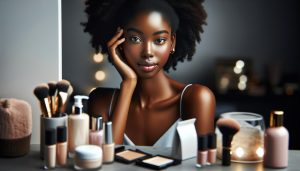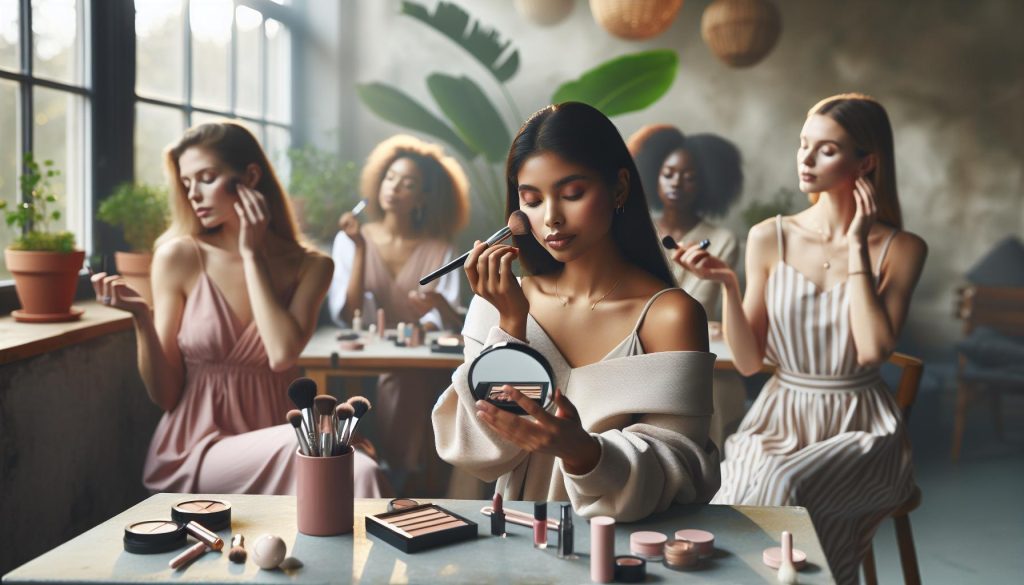
Did you know that nearly 80% of women wear makeup regularly, yet their reasons vary widely from confidence to self-expression? Understanding why women choose to wear makeup goes beyond aesthetics; it delves into the psychology that shapes beauty choices and personal identity. Many women view makeup as a form of empowerment, allowing them to enhance their features and embrace their uniqueness. As you explore this topic, you’ll discover how societal norms, personal experiences, and psychological factors converge to influence these beauty decisions. Whether you’re a makeup novice seeking to understand your own choices or a professional looking to connect with clients, this exploration will offer valuable insights into the motivations behind these everyday rituals. Join us on this journey to uncover the compelling reasons behind women’s makeup habits and how they reflect broader cultural narratives.
Psychological Influences on Makeup Choices
Makeup has long been a powerful form of self-expression and enhancement, with psychological factors playing a critical role in women’s decisions to wear it. One captivating aspect of this relationship is how makeup can serve as a psychological armor, boosting confidence and impacting self-perception. Many women report feeling more empowered and ready to tackle the day after applying makeup, which often stems from the efficacy of beauty products in altering their appearance to align with personal or societal standards of beauty.
The reasons behind these choices can be multifaceted. From a psychological standpoint, wearing makeup can enhance feelings of control over one’s self-image. This is particularly relevant in professional settings where appearance can influence perceptions of competence and credibility. Women often experience societal pressure to conform to beauty ideals, leading to the use of makeup as a means to meet those expectations or even defy them in unique ways. For some, this creates a sense of belonging or social acceptance among peers, reinforcing their identity within social frameworks.
To further understand these influences, consider the role of social comparison theory, where individuals gauge their own worth against others. Makeup can be a response to perceived deficiencies compared to societal standards, serving as a coping mechanism to improve self-esteem. By using products that accentuate features or cover imperfections, women may feel they are better aligning themselves with a perceived “ideal,” thereby influencing their mood and self-confidence.
Additionally, the emotional connections tied to specific makeup products or rituals can be significant. Many women find comfort in the routine of applying makeup; it can serve as a moment of mindfulness in an otherwise chaotic day. This connection to emotional well-being highlights the necessity of viewing makeup not merely as a cosmetic choice but as a vital tool for personal empowerment and psychological resilience.
Cultural Perspectives: Beauty Standards Through History
Throughout the ages, beauty standards have continuously evolved, often reflecting the cultural, social, and political climates of their time. In ancient Egypt, for example, both men and women adorned themselves with kohl eyeliner and other forms of makeup to enhance their features and signify social status. This practice was not purely aesthetic; it held religious and ceremonial importance, embodying ideals of divinity and protection. Makeup, therefore, served as a means to connect with higher powers while also projecting an image of beauty that was revered at the time.
As history progressed into the Renaissance, beauty standards shifted dramatically. Pale skin became the epitome of beauty in Europe, expressing wealth and social rank, as it indicated a life free from outdoor labor. Women used lead and other harmful substances to achieve this look, showing how far beauty seekers were willing to go to conform to societal ideals. The intricate application of cosmetics during this era also serves as an example of how beauty has often been intertwined with identity and societal roles; women were expected to be ornamental, making the art of makeup a necessity in their lives.
Moving into the 20th century, the rise of cinema and advertising reshaped concepts of beauty, introducing new standards that focused on glamour and allure. The iconic looks of Hollywood stars like Marilyn Monroe and Audrey Hepburn set trends that women eagerly emulated, giving rise to makeup that celebrated femininity and sensuality. This period also marked a significant democratization of beauty products, as mass production made cosmetics accessible to the general public. Women began to embrace makeup not just as a tool for enhancing appearance, but as a means to express their personalities and assert their agency in a rapidly changing world.
In contemporary society, while beauty standards continue to be influenced by media and celebrity culture, there’s a growing recognition of diverse representations of beauty. This shift encourages individuals to embrace their unique features and challenge traditional ideals. The rise of social media platforms acts as a double-edged sword, where beauty influencers promote both conventional and unconventional standards, allowing for a broader dialogue about self-acceptance and the significance of makeup in personal expression. Makeup artistry is no longer confined to a particular look; instead, it has transformed into a powerful medium for creativity and individuality.
Recognizing this historical context helps inform our understanding of why makeup remains an integral part of many women’s lives today. As societal norms evolve, so too do the motivations and methods behind makeup application, illustrating not only the diversity of beauty choices but also the enduring desire for self-expression in all its forms.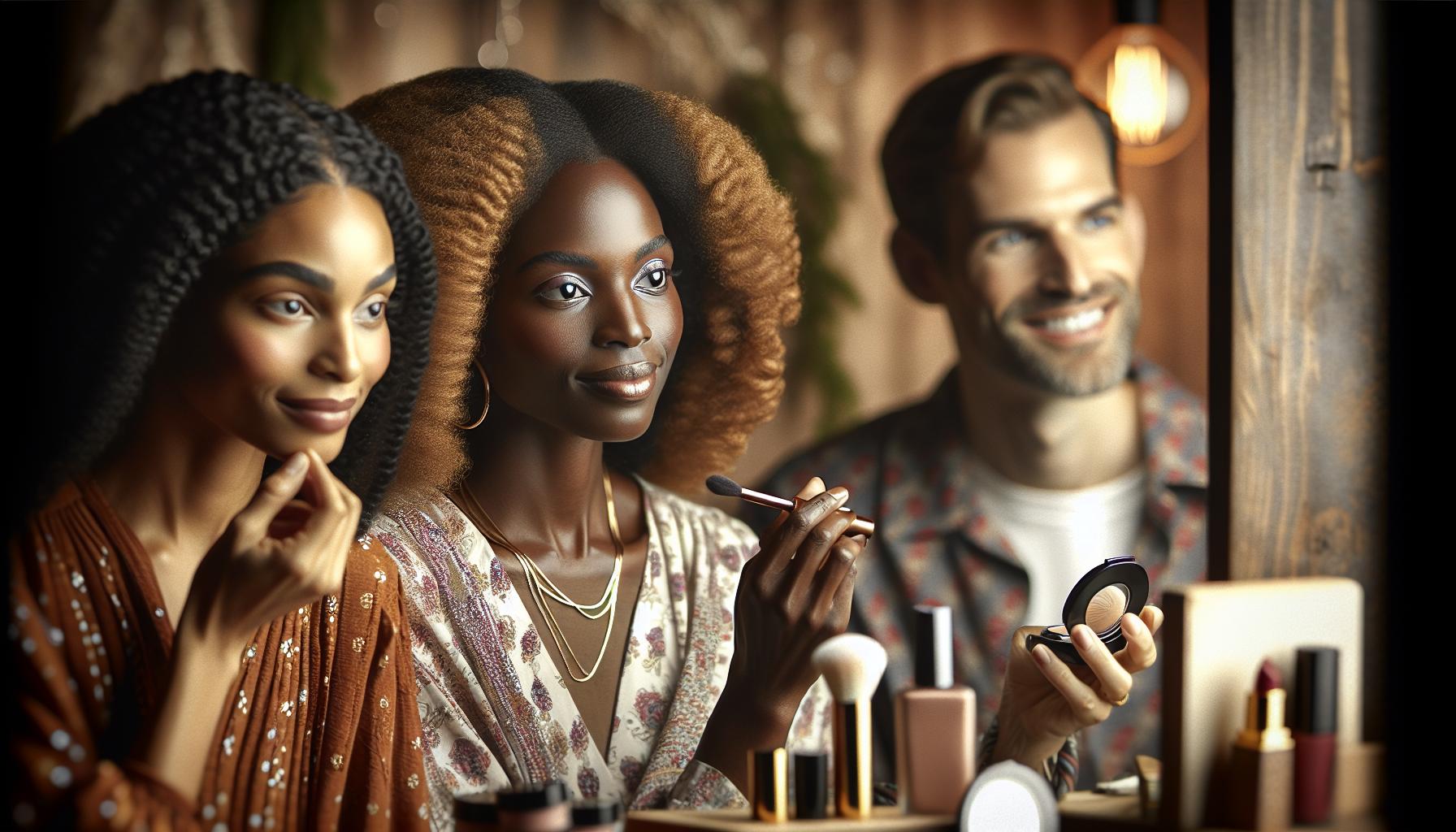
The Role of Self-Esteem in Makeup Use
Enhancing one’s appearance with makeup is often intertwined with self-esteem, as many women find that the act of applying cosmetics can significantly elevate their confidence levels. Research indicates that makeup can be a powerful tool for self-expression, allowing individuals to curate their appearance in ways that make them feel empowered and validated. For many, makeup serves as a transformative ritual that can alter not only how they see themselves but also how they are perceived by others.
Understanding the psychological aspects related to self-esteem and makeup use is crucial. A study published in the journal Psychology of Aesthetics, Creativity, and the Arts suggests that wearing makeup can influence social interactions and outcomes. When individuals feel good about their appearance, they often exude more confidence, which can positively affect various areas of their lives. This phenomenon is particularly notable in contexts such as job interviews or social gatherings, where first impressions are vital.
Moreover, the choice of products can reflect personal identities and moods. For instance, a vibrant red lipstick might symbolize power and assertiveness, while a softer, natural look could convey approachability and warmth. Understanding these associations can help women to make makeup choices that not only boost their self-esteem but also align them with their personal and professional goals.
When it comes to choosing products specifically designed to enhance self-esteem, brands like Seint, Thrive, and Ilia focus on natural aesthetics while delivering quality results. Incorporating these products into daily routines can elevate overall confidence. For practical application, consider starting with a supportive skincare routine that nourishes the skin and provides a healthy base for makeup. Following this, utilize light foundations or tinted moisturizers, as these allow the skin’s natural beauty to shine while providing just enough coverage to enhance features.
Creating a makeup inventory tailored to personal preferences can also be empowering. This might include a curated selection of items such as a hydrating primer, versatile blushes, and creamy eyeshadows that can be blended seamlessly for various looks. Engaging in makeup application as a self-care ritual rather than a mere necessity fosters a more positive relationship with beauty, reinforcing self-esteem in day-to-day life.
In essence, is complex yet vital, impacting both personal identity and societal perceptions. Embracing this interplay can lead to a healthier attitude towards makeup, transforming it from a mere beauty tool into an integral aspect of self-empowerment and individuality.
Makeup Trends and Societal Norms
In an era where self-expression is celebrated, makeup trends are constantly evolving, influenced not only by beauty standards but also by cultural shifts and societal norms. For instance, the rise of the “no-makeup” makeup look reflects a growing preference for natural aesthetics that emphasize authenticity over traditional glamour. This change encourages individuals to embrace their unique features, utilizing makeup to enhance rather than mask their appearance. As consumers become more aware of the impact of the cosmetics industry on personal identity and environmental issues, ethical brands like Thrive and Ilia are also gaining popularity, offering products that align with values of sustainability and inclusivity.
As makeup trends shift, they often reflect broader societal narratives. The increasing representation of diverse beauty in media has paved the way for a wider acceptance of various makeup styles and aesthetics. For example, bold colors and unconventional makeup applications are seen as empowering choices that challenge traditional norms. Furthermore, the popularity of social media platforms has created a fast-paced environment for beauty trends, where new techniques and styles can emerge overnight, allowing makeup enthusiasts to explore and redefine their beauty journey.
To navigate these dynamic trends effectively, it’s essential to stay informed about emerging styles and techniques. Engaging with online beauty communities can provide valuable insights, tutorials, and recommendations for exploring new looks. For those eager to experiment with contemporary trends, consider the following practical tips:
- Start Small: For novices, integrate one or two trendy elements into your existing routine rather than overhauling your entire makeup bag.
- Follow Creators: Discover beauty influencers who resonate with your style to gain inspiration and learn new application techniques.
- Practice Versatility: Invest in multi-use products, such as stains for lips and cheeks or eyeshadow that doubles as highlighter, to create various looks with fewer items.
Ultimately, understanding the interplay between can empower individuals to craft a personal style that not only reflects their identity but also resonates with the changing landscape of beauty. This approach encourages both confidence and creativity, allowing makeup to serve as a powerful form of self-expression.
The Science of Color: Emotion and Makeup Choices
Color plays a transformative role in makeup choices, influencing not just aesthetics but emotions, perceptions, and even social interactions. Every shade carries psychological implications-red can evoke passion or confidence, while soft pastels may project calmness and tranquility. Understanding how color affects mood and perception allows individuals to harness its power, enhancing their makeup choices to align with their desired feelings or societal messages.
When choosing makeup shades, consider the context in which you’ll wear them. For example, vibrant shades like fuchsia and electric blue might be perfect for a night out, signaling fun and creativity, whereas earthy tones like brown and olive green can communicate a more grounded, approachable vibe suitable for professional settings. Utilizing color theory in your makeup routine can empower you to express specific emotions or attitudes effectively.
To explore the emotional connections with color, you might experiment with the following strategies:
- Assess Your Mood: Choose your makeup colors based on how you want to feel that day-bold colors can energize your spirit, while softer hues may soothe your senses.
- Change Your Perspective: If you’re feeling down or lacking confidence, incorporating brighter or more saturated colors into your look can help uplift your mood and alter how you perceive yourself.
- Seasonal Influence: Different seasons can inspire unique color palettes. For instance, cooler weather might prompt you to wear deeper, warmer tones, while spring can encourage lighter, fresher shades.
Experimenting with color can lead to exciting discoveries about personal preferences and how makeup can be a medium for emotional expression. As trends evolve, staying informed about the new science of color and its effect on emotions can not only enhance individual makeup choices but also foster a continued journey of self-exploration and confidence building. Embrace the emotional power of color and let it inspire your makeup journey, making every application an authentic expression of who you are.
Social Media’s Impact on Beauty Perception
In an era where the boundaries of beauty are constantly being reshaped, social media stands as a powerful catalyst for change in beauty perceptions. Platforms such as Instagram, TikTok, and YouTube not only influence trends but also redefine what beauty means to women today. The immediacy and visibility of these platforms mean that millions can witness and interact with beauty content at any moment, creating a collective narrative around makeup, skincare, and self-expression. This phenomenon fosters comparison and aspiration but can also empower individuals to embrace their unique styles and identities.
Social media influencers play a pivotal role in shaping beauty ideals, often setting standards that many strive to emulate. They showcase an array of makeup techniques-from the bold and extravagant to the minimalist and natural-that resonate with diverse audiences. This exposure fuels a dialogue around makeup as an art form, with tutorials and product reviews guiding novices and experts alike. For instance, popular products from brands like Seint, Thrive, and Ilia are often highlighted in these spaces, providing recommendations and hands-on demonstrations that simplify makeup application and encourage experimentation.
Moreover, the conversation around authenticity in beauty is evolving. Social media campaigns promoting realness and self-acceptance challenge the traditional notions of perfection, inspiring users to share their unfiltered selves. This movement can enhance self-esteem, as women begin to realize that beauty is not confined to airbrushed images but is a spectrum filled with individuality. Engaging with content from a variety of voices, including those that celebrate diverse skin tones and body types, can be particularly impactful in cultivating a more inclusive beauty industry.
Creating personal beauty narratives through social media is now easier than ever. Users can document their journeys, showcase their favorite products, and share techniques that resonate with their identities. By leveraging trending hashtags or challenges, beauty lovers can connect with like-minded individuals and foster a sense of community. Engaging in these spaces not only cultivates personal style but also encourages ongoing learning and growth, reinforcing the idea that makeup can be a powerful tool for self-expression and confidence-building.
In summary, social media’s influence on beauty perception is profound, offering women diverse avenues for self-discovery and validation. It empowers them to explore their artistic inclinations in makeup while navigating the intertwined worlds of personal identity, societal expectations, and self-esteem. Embrace this dynamic landscape as a means to express your individuality and find joy in the journey of beauty.
Personal Identity and Makeup Expression
Makeup serves as a powerful medium for self-expression, enabling individuals to convey their identity, mood, and personality through artistry. Each choice, from foundation shade to bold lipstick, reflects not just aesthetics but also the wearer’s journey and personal narrative. In a world where societal norms often dictate beauty standards, makeup becomes a canvas; it allows for both conformity and rebellion, depending on the intent behind the application. Today, individuals are increasingly recognizing that their grooming choices can symbolize deeper aspects of who they are, from culture to personal beliefs.
Building a distinct beauty narrative involves understanding how color, texture, and technique can help articulate one’s identity. For instance, the use of vibrant colors might signal confidence and creativity, while a more natural, minimalist approach could reflect authenticity and self-acceptance. Brands like Seint and Thrive cater to this desire for personalization by offering products that enhance natural beauty rather than mask it. Tutorials that emphasize uniqueness and individual style empower users to experiment and discover what makeup means for them.
Furthermore, when makeup is utilized as a tool for storytelling, it fosters a sense of community among users. Social media platforms are bustling with dialogues that celebrate diversity in makeup expression, showcasing how women of different backgrounds use cosmetics to affirm their identities. Engaging with communities via hashtags like #NoMakeupChallenge or #MakeupForAll encourages deeper connections, inspiring others to share their narratives openly. Through shared tutorials and experiences, users not only learn about products like the cult-favorite Ilia Super Serum Skin Tint but also gain confidence in their own choices, bolstered by collective empowerment.
Ultimately, embracing makeup as an expression of personal identity involves an interplay of artistry, culture, and emotional well-being. Each application is an opportunity to assert individuality, challenge the status quo, and inspire others to do the same. As you explore your makeup journey, remember that every brushstroke is a chance to showcase your unique story, reflecting your evolving self amid a world of ever-changing beauty norms.
Makeup as a Tool for Confidence Boosting
Makeup has long been recognized as a catalyst for enhancing confidence, allowing individuals to transform their appearance and express their inner selves. A survey conducted by the American Academy of Dermatology found that 50% of women believe that wearing makeup boosts their confidence significantly. This transformative power isn’t merely superficial; it delves deeper into how individuals relate to themselves and the world around them. The simple act of applying makeup can serve as a ritual of self-care, reinforcing a positive mindset and instilling a sense of readiness to face the day.
One practical way to harness the confidence-boosting potential of makeup is through mastering the art of application. A well-executed makeup look can improve one’s perception of their attractiveness, thus heightening self-esteem. Here’s a streamlined guide to help cultivate confidence through makeup:
Essential Steps to Boost Confidence with Makeup
- Preparation and Skincare: Start with a clean, well-moisturized face. Use a gentle cleanser followed by a hydrating moisturizer and SPF for protection.
- Foundation Choice: Select a foundation that matches your skin type. Brands like Seint and Thrive offer a variety of shades and finishes to suit diverse skin tones, ensuring you find the perfect fit.
- Accentuate Natural Features: Focus on highlighting features you adore. For instance, if you love your cheekbones, a touch of blush or bronzer can enhance them beautifully.
- Eyes and Lips: Bold eye shadows or lipsticks can make a strong statement and can be tailored to any occasion. A classic red lipstick, for instance, exudes confidence, while softer shades can enhance your natural beauty.
Using makeup as a medium for self-expression not only fosters individuality but also creates a shared experience among users. Social media platforms brim with inspiring makeup transformations and tutorials, where users experiment with various looks, honoring their unique styles and narratives. For example, many enthusiasts have turned to products like Ilia Super Serum Skin Tint for a fresh, natural look that still radiates confidence without feeling heavy. Engaging in beauty communities fosters a sense of belonging and offers encouragement, making it easier to embrace one’s flair for makeup.
Ultimately, the journey of increasing confidence through makeup is as much about the process as it is about the finished look. Each brushstroke and product choice represents an opportunity to celebrate one’s identity and beauty. As the conversation around beauty continues to evolve, embracing makeup as a tool for self-empowerment allows women to reclaim their narratives with every application. Whether you’re learning with online tutorials or experimenting with new products like ELF for budget-friendly yet high-quality options, remember that the transformative power of makeup lies not just in appearance but in the confidence it inspires from within.
Age Demographics: How Makeup Preferences Change
As individuals progress through different stages of life, their makeup preferences often evolve in tandem with their changing identities, responsibilities, and self-perceptions. The teenage years typically mark the beginning of makeup experimentation, where the primary motives might revolve around peer influence and a desire for acceptance. For many young women, makeup serves as a tool for self-exploration and assertion of individuality. Bright colors and bold trends-like vibrant eyeshadows or daring lipsticks-can express youthful exuberance and a quest for personal style.
As women transition into their twenties and thirties, the focus of makeup choices frequently shifts. This age group often seeks products that enhance natural beauty rather than entirely transform their appearance. Foundations designed for a lightweight feel, such as Ilia Super Serum Skin Tint, become favored for their ability to unify skin tone without masking it. Additionally, these consumers may prioritize skincare-infused makeup, reflecting a growing awareness of the importance of skin health alongside beauty. Practicality also takes on a new role, as busy professionals look for long-lasting formulations that withstand the demands of their day-to-day lives.
Once women reach their forties and beyond, their makeup preferences continue to adapt, often leaning towards products that offer a more sophisticated and refined approach. Aging gracefully is prioritized, with an emphasis on enhancing features rather than concealing them. This might include using soft, neutral palettes that complement their complexion while highlighting areas like the eyes or cheekbones. Brands like Thrive, known for their inclusive shade ranges and aesthetically pleasing products, can be particularly appealing for this demographic, catering to a discerning audience that values quality and effectiveness.
In summary, recognizing these demographic shifts not only helps in personal makeup choices but also assists beauty professionals in tailoring their advice and offerings to meet the specific needs of clients from diverse backgrounds. By understanding how age influences preferences, women can make informed decisions that not only enhance their beauty but also reflect their evolving self-image at every stage of life.
Debunking Myths: Makeup and Female Empowerment
Everyday perceptions can often misinterpret the relationship between makeup and female empowerment. Contrary to the notion that makeup is a tool for conforming to narrow beauty standards, many women use cosmetics as a form of self-expression and a means to assert their individuality. Empowerment through makeup is about choice; it’s about how women decide to present themselves and communicate their identity to the world. The modern landscape showcases a diverse array of beauty ideals, challenging traditional norms and allowing women to embrace their uniqueness.
Makeup can serve as a powerful ally in a woman’s self-empowerment journey. For instance, many individuals report feelings of confidence when they engage in makeup application, enjoying not only the end result but also the creative process itself. This ritualistic aspect can become a form of self-care, where the act of applying makeup becomes a moment of empowerment-a way to take control of one’s appearance and, by extension, one’s narrative. When used intentionally, makeup can emphasize features that the wearer loves, allowing her to showcase her personality, mood, or even aspirations.
Additionally, the growing acceptance and celebration of diverse beauty standards have created a rich tapestry of makeup culture. Brands such as Thrive and ILIA have emerged with ethos rooted in inclusivity and authenticity, allowing women to find products that resonate with their individual stories. The shift in product offerings from heavyweight formulas to skin-infused options reflects a movement toward authenticity, where women seek to wear makeup that feels good and enhances rather than masks their natural beauty.
Finally, it’s essential to acknowledge the communal aspect of makeup as well. Many women participate in beauty communities, whether online or in person, where they share tips, tutorials, and support. This connection can be incredibly empowering as it fosters camaraderie and understanding among diverse groups of women. It illustrates that makeup is not merely an accessory but a platform for dialogue and connection, reinforcing the idea that beauty choices can empower women in both private and public spheres. The narrative surrounding makeup and female empowerment is multifaceted, and by understanding this complexity, we can celebrate its role in fostering confidence, creativity, and community.
The Economic Factors Behind Makeup Purchases
The beauty industry is a multi-billion dollar sector characterized by intricate economic dynamics that influence consumer behavior regarding makeup purchases. In an age where self-image is often intertwined with societal expectations and personal aspirations, understanding what drives these economic decisions becomes paramount. A staggering fact: research indicates that the global cosmetics market is projected to exceed $400 billion by 2025, reflecting the substantial role makeup plays in many women’s lives.
One of the key economic factors influencing makeup purchases is the rise of the ‘affordable luxury’ segment. Brands like Thrive and ILIA have entered the market with high-quality products that cater to beauty enthusiasts looking for effective solutions without breaking the bank. The appeal of these brands lies in their commitment to inclusivity and sustainability, allowing women to feel good about their purchases. Consumers are increasingly drawn to products that align with their values, driving growth in sectors focused on ethical sourcing and environmentally friendly packaging.
Moreover, the digital age has redefined how products are marketed and sold, impacting purchasing behavior significantly. Social media platforms like Instagram and TikTok have become vital channels for beauty brands to engage with consumers, promoting trending makeup techniques and product recommendations. Influencer collaborations can lead to immediate spikes in demand, demonstrating the power of social validation in driving economic activity. Additionally, the availability of beauty tutorials and product reviews online fosters an informed consumer base; women are more willing to invest in higher-priced items if they perceive added value through education and community-led recommendations.
Lastly, economic factors such as disposable income, access to beauty products, and broader cultural trends play a substantial role. Women today are navigating a landscape where makeup is not just for special occasions but is integrated into daily routines, supported by an ever-expanding array of products from drugstore options to luxury brands. The necessity of makeup, particularly in a professional setting, often influences purchasing choices, making products that enhance confidence and self-presentation not just personal expenses but strategic investments in one’s career and social life.
Understanding these economic factors not only empowers consumers to make informed choices but also supports brands in aligning their offerings with the needs and values of their target audiences, creating a thriving beauty culture that celebrates individuality and authenticity.
Future of Makeup: Trends and Innovations
The landscape of beauty is undergoing a remarkable transformation, spurred by innovations that prioritize personalization, sustainability, and inclusivity. As consumers increasingly demand products that reflect their unique identities and values, the future of makeup is not just about looking good-it’s about feeling empowered and authentic. Cutting-edge brands are emerging, offering bespoke solutions that cater to diverse skin tones, types, and individual preferences, ensuring that makeup is accessible and enjoyable for everyone.
One of the most noteworthy trends is the rise of clean beauty, where brands like ILIA and Thrive are leading the charge with formulations that are not only effective but also environmentally responsible. This shift towards natural ingredients is paired with innovative technologies, such as biodegradable packaging and refillable containers, which empower consumers to make choices that benefit both their skin and the planet. As awareness grows, beauty enthusiasts are eager to explore products that align with their ethical beliefs while enhancing their beauty routine.
Digital advancements are also reshaping how makeup is created and consumed. The advent of augmented reality (AR) technology now allows consumers to virtually try on products before purchasing, which enhances customer satisfaction and reduces the likelihood of returns. Brands are harnessing platforms like TikTok and Instagram to share tutorials and trends in real-time, creating a vibrant community where users can learn from one another while exploring new techniques. This digital engagement fosters a sense of belonging and support, further amplifying the social aspect of beauty shopping.
Additionally, customization is becoming more prevalent, with brands offering tailored products that cater to specific skin concerns and preferences. For instance, companies are now creating foundations that adapt to the wearer’s skin tone and condition, ensuring a flawless finish while meeting individual needs. The future of makeup promises to be as much about personal expression as it is about aesthetic appeal, encouraging wearers to experiment and celebrate their unique styles.
As these trends unfold, embracing makeup becomes an act of self-care, where innovative products and techniques invite both novices and seasoned professionals to explore their creativity. Engaging with the ongoing evolution in this industry not only enhances personal style but also supports a broader culture of confidence and self-expression. With every product and technique, the future of makeup holds the potential to empower everyone to feel beautiful in their own skin.
Faq
Q: What are the psychological benefits of wearing makeup for women?
A: Wearing makeup can enhance self-esteem and body image, providing women with a sense of confidence and empowerment. It serves as a form of self-expression, allowing individuals to create a public persona that aligns with their identity, as discussed in the section on “The Role of Self-Esteem in Makeup Use.”
Q: How does cultural background influence makeup choices among women?
A: Cultural background significantly shapes beauty ideals and makeup preferences. Women may choose specific styles or products based on cultural traditions, societal norms, and historical beauty standards. This topic is elaborated in “Cultural Perspectives: Beauty Standards Through History.”
Q: What role does social media play in influencing makeup trends?
A: Social media platforms rapidly disseminate beauty trends, impacting how women perceive makeup and beauty norms. Influencers and peer feedback can drive popularity for specific looks or products, as detailed in “Social Media’s Impact on Beauty Perception.”
Q: How can makeup serve as a tool for personal identity expression?
A: Makeup allows women to experiment with their appearance, signaling varying aspects of their identity based on mood, occasion, or personal style. This idea is explored in the section “Personal Identity and Makeup Expression.”
Q: What are some common misconceptions about women who wear makeup?
A: Many believe makeup use indicates low self-esteem or a need for validation, but in reality, it often reflects personal choice and empowerment. The section “Debunking Myths: Makeup and Female Empowerment” addresses these misunderstandings.
Q: Do women of all ages use makeup similarly?
A: Makeup preferences can vary widely by age, with younger women often experimenting more, while older women may prioritize products for specific skin concerns. Insights can be found in “Age Demographics: How Makeup Preferences Change.”
Q: How are emotions connected to makeup choices?
A: Emotions can greatly influence makeup application; for instance, certain colors are used to evoke feelings of happiness or confidence. This relationship is discussed in “The Science of Color: Emotion and Makeup Choices.”
Q: What economic factors drive women’s makeup purchases?
A: Economic status influences makeup spending habits, with trends showing diverse preferences based on accessibility, luxury desires, and brand loyalty. The article references the section “The Economic Factors Behind Makeup Purchases” for further details.
Final Thoughts
Understanding the deeper motivations behind why women wear makeup enriches our appreciation for beauty and personal expression. Remember, makeup is not just about aesthetics-it’s a powerful tool for confidence and self-identity. If you’re eager to explore more, check out our articles on the best makeup tutorials or discover essential product reviews for top brands like Seint, Thrive, and ELF.
Don’t miss the chance to enhance your beauty journey! Subscribe to our newsletter for exclusive tips and insights, and join our community where you can share experiences and get advice from fellow makeup enthusiasts and professionals. As you dive into these resources, keep in mind the transformative potential of grooming and beauty products-your next step could redefine your style! What are your thoughts on makeup’s role in society? Share your comments below, and let’s continue this conversation!