Applying primer makeup is a crucial step that can transform your entire beauty routine. Did you know that a well-applied primer not only smooths your skin’s texture but also enhances the longevity of your makeup, keeping it fresh throughout the day? Whether you’re dealing with oily, dry, or combination skin, the right primer can address specific needs, ensuring your foundation glides on effortlessly and stays in place. In this step-by-step guide, we’ll explore the various types of primers, their application techniques, and how each can make a significant difference in achieving a flawless look. By mastering the use of primer, you’ll not only boost your makeup skills but also cultivate a routine that builds confidence and enhances your natural beauty. Ready to unlock the secret to a lasting, polished appearance? Let’s dive in!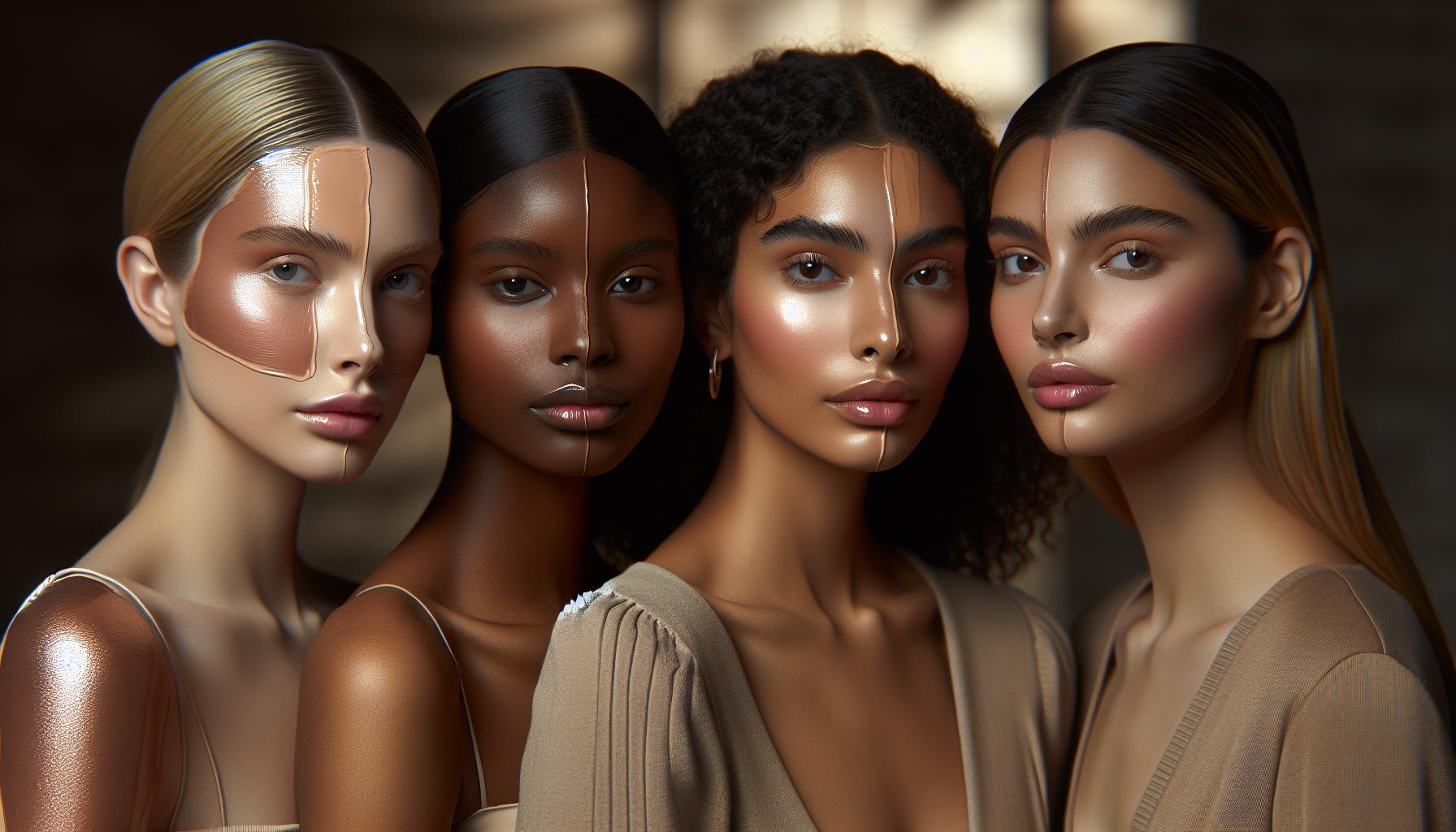
How Primer Makeup Transforms Your Look
The magic of primer makeup lies in its ability to create a flawless canvas for your foundation and other makeup products. Beyond mere aesthetics, a good primer can enhance texture, prolong wear, and dramatically elevate the overall quality of your makeup application. It acts as a bridge between skincare and makeup, filling in fine lines and imperfections while balancing oil and moisture levels for a perfect finish. By establishing this essential first layer, you enable the rest of your products to exhibit their full potential, resulting in a radiant and long-lasting look.
Different primers exist to address specific needs and skin types, ensuring that everyone can find their perfect match. For instance, mattifying primers work wonders for oily skin by controlling shine, while hydrating primers are ideal for dry skin, imparting a dewy glow. This versatility means that whether you are preparing for a casual day out or a glamorous evening event, primer can transform your look by optimizing your foundation’s fit and finish. The right primer not only helps makeup stay put but also smooths over large pores and uneven skin texture, providing a polished appearance that enhances your natural beauty.
Furthermore, the transformative impact of primer is not limited to just texture; it can influence the perception of color. Many primers contain light-reflecting properties that can enhance the vibrancy of makeup shades applied over them. This effect can make blush appear more flushed and eyeshadow colors pop with newfound intensity. Used wisely, primer becomes an essential tool to achieve an editorial quality look effortlessly. Ultimately, by integrating primer into your makeup routine, you unlock an avenue for artistic expression, paving the way for creativity and making each makeup application experience uniquely fulfilling.
Understanding the Purpose of Primer
The importance of primer in makeup application cannot be overstated; it serves as the crucial initial step that sets the stage for a seamless look. Imagine primer as a base coat for your face, akin to a painter’s primer for walls. It fills in imperfections, smooths out skin texture, and provides a neutral ground for foundation and other products to adhere to. By creating this smooth canvas, primer not only enhances the application of makeup but also improves its longevity, ensuring that your look remains fresh throughout the day.
When selecting a primer, understanding its purpose is essential. Different primers serve various functions, catering to specific skin types and concerns. For instance, mattifying primers are designed for those with oily skin, controlling shine and preventing makeup from slipping off. On the other hand, hydrating primers infuse moisture into dry skin, promoting a dewy finish that keeps your makeup from looking dull or flaky. There are also pore-filling primers, which are excellent for minimizing the appearance of large pores, and color-correcting primers that can neutralize redness or brighten the complexion.
To make the most of your primer, it’s vital to apply it correctly. Start with a clean, moisturized face; this prepares the skin for even application. Using your fingertips or a makeup sponge, gently apply a pea-sized amount of primer, focusing on areas that typically need more attention, such as the T-zone or areas with larger pores. Allow the primer to set for a minute before layering foundation on top. This will help the primer do its job effectively, creating a barrier that enhances your makeup application and wear.
With the right primer applied, you’re well on your way to achieving that flawless finish. It’s the foundation of effective makeup application and can dramatically transform not just the look but also the feel of your makeup. By taking the time to understand the specific purposes of different primers and how to apply them properly, you can elevate your makeup routine and enjoy a polished, professional-looking result.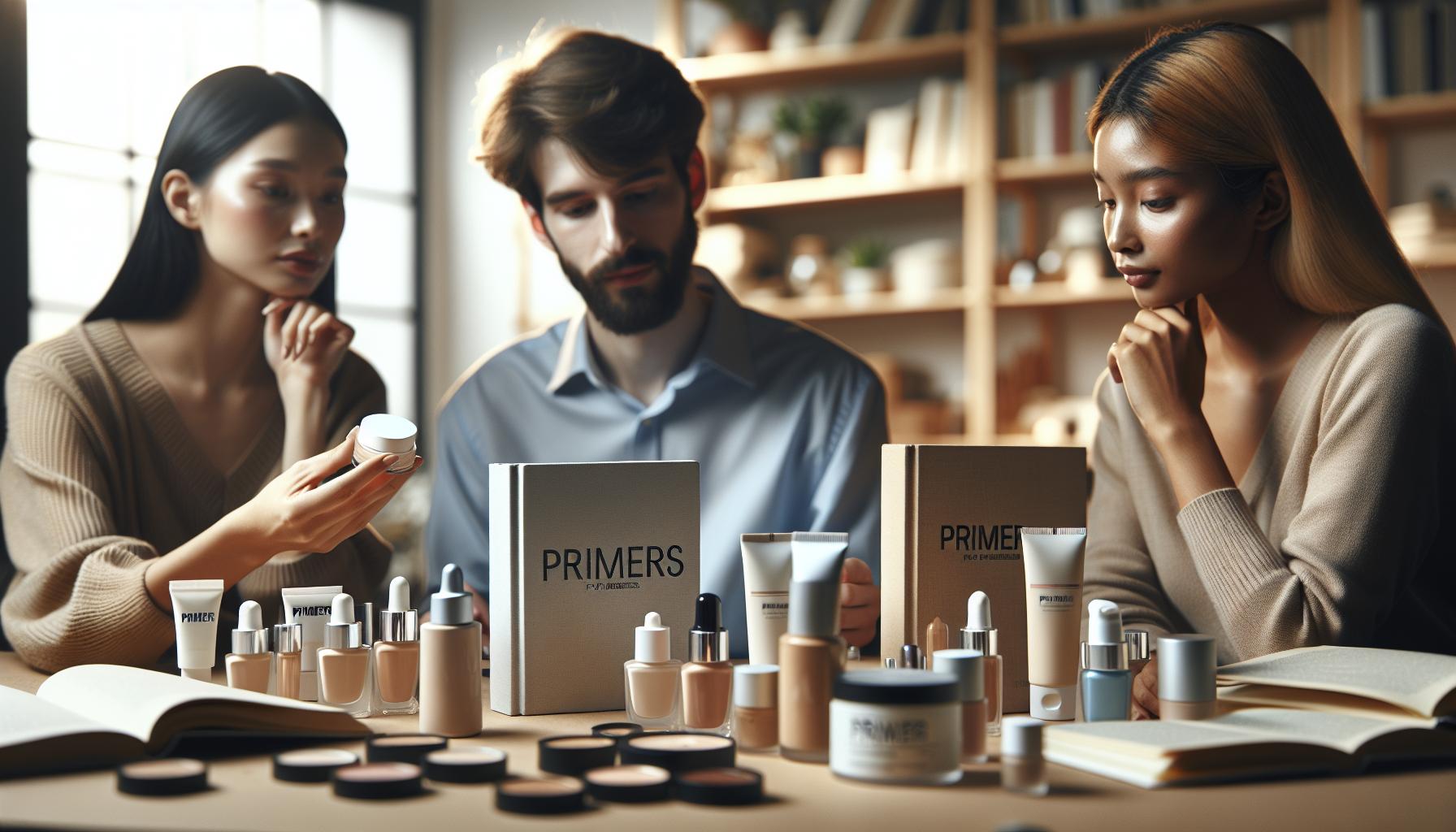
Different Types of Primers Explained
Understanding the variety of primers available can significantly enhance your makeup application, making it more tailored to your skin’s needs. Each type of primer serves a distinct purpose, allowing you to customize your routine for various occasions and skin types.
Types of Primers
- Mattifying Primers: These are ideal for oily skin types. They work to absorb excess oil and shine, ensuring your makeup stays matte throughout the day. Look for formulations with silica or clay to enhance oil absorption.
- Hydrating Primers: Perfect for those with dry or dehydrated skin, these primers provide an additional layer of moisture, giving your complexion a dewy and fresh appearance. Ingredients like glycerin and hyaluronic acid are common in these formulations, helping your makeup glide on smoothly.
- Pore-Filling Primers: If minimizing the appearance of pores is your goal, pore-filling primers are a must-have. They typically contain silicone, which creates a smooth surface by filling in fine lines and pores. This type allows for a flawless finish, especially under foundation.
- Color-Correcting Primers: These primers can neutralize specific skin concerns before foundation application. For example, green primers can counteract redness from blemishes or rosacea, while purple primers can brighten dull complexions. They lay the groundwork for an even and balanced tone.
- Illuminating Primers: Adding a luminous glow to your skin, illuminating primers are great for those wanting a radiant look. These primers often contain light-reflecting particles that create a subtle sheen under makeup, making them ideal for evening or special occasions.
- SPF Primers: Serving dual purposes, these primers not only prepare your skin for makeup but also provide sun protection. Look for broad-spectrum SPF options to shield your skin from harmful UV rays, making them perfect for daytime wear.
Incorporating the right primer into your makeup routine can dramatically transform your look, allowing for a foundation application that is not only seamless but also enhances your overall makeup longevity and appearance. By knowing the unique benefits each primer provides, you can confidently select the best option suited to your skin’s requirements.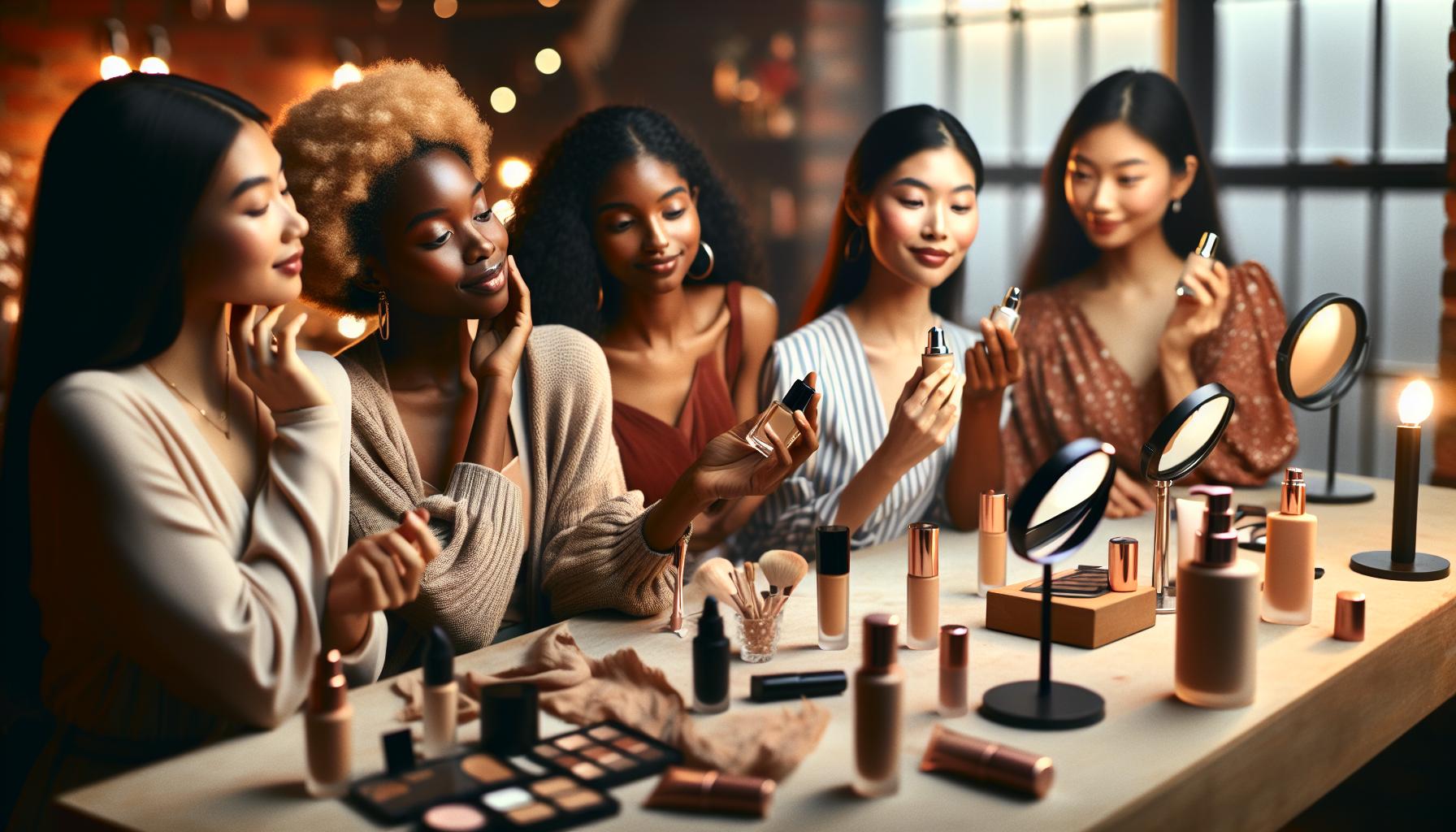
How to Choose the Right Primer for Your Skin
Choosing the right primer is crucial for achieving a flawless makeup look tailored to your skin’s specific needs. With so many formulations available, understanding the unique properties of each type can help enhance your makeup application and prolong its wear. Prior to selection, it’s important to assess your skin type and any particular concerns, such as oiliness, dryness, or redness.
For those with oily skin, a mattifying primer can significantly reduce shine and absorb excess oil. Look for ingredients like silica or clay, which effectively control oil levels throughout the day. In contrast, individuals with dry skin should opt for a hydrating primer that provides moisture and adds a luminous glow, featuring ingredients such as glycerin or hyaluronic acid to ensure a radiant and smooth foundation application.
If minimizing the appearance of pores is a specific goal, a pore-filling primer infused with silicone is an ideal choice. These primers blur imperfections and create a smoother surface for makeup. Alternatively, if color correction is needed, color-correcting primers can neutralize skin tones – for instance, green primers can disguise redness, while lavender shades can brighten dullness.
It’s also beneficial to consider the time of day and season when choosing your primer. During sunny months, a primer with SPF protection can offer dual functionality, safeguarding your skin against sun damage while providing a perfect canvas for makeup. Assessing these factors helps you make an informed choice that aligns with your beauty objectives and skin needs. A tailored primer can make a world of difference in the final effect of your makeup, ensuring a polished and long-lasting result.
Step-by-Step Application Process for Primer
To achieve a flawless makeup look that lasts all day, applying primer correctly is key. This often-overlooked step lays the foundation for your entire makeup application, ensuring a smooth canvas and better adherence of products. Here’s how to apply primer step-by-step, ensuring you maximize its benefits for the perfect finish.
Start by preparing your skin. Cleanse your face thoroughly to remove any dirt or excess oils, using your favorite cleanser. Follow up with a moisturizer suited for your skin type, allowing it to absorb completely. This step is crucial as a well-hydrated face helps the primer adhere better. After moisturizing, it’s time to apply your chosen primer.
Using your fingers or a clean makeup sponge, dispense a pea-sized amount of primer. Less is often more when it comes to primer, as too much can lead to a cakey or overwhelmed finish. Begin applying the primer in the center of your face where makeup tends to wear off first, such as the forehead, nose, and cheeks. Utilize gentle tapping motions for even distribution, pressing it into the skin rather than simply smoothing it over. If you have specific areas of concern like large pores, focus on those areas to achieve a blurred effect.
Once the primer is evenly applied, allow it to sit for a minute or two to set before moving on to foundation. This waiting period is essential, as it gives the primer time to bond with your skin and create that sought-after smooth surface. If you’re using a mattifying primer, this will also help take down any shine you might have. After your primer has set, you’re ready to apply your foundation or other makeup products, achieving an effortlessly polished look.
Incorporating these steps into your makeup routine will significantly enhance not only the application but also the longevity of your makeup. With practice, applying primer will become a seamless part of your beauty regimen, leading to radiant and lasting results.
Tips for Perfecting Your Primer Technique
To truly elevate your makeup routine, refining your primer application technique is essential. The right techniques can not only enhance your makeup’s longevity but also ensure that your complexion appears flawlessly smooth. One of the best tips to keep in mind is to always work with clean hands or tools; contamination can lead to unwanted skin irritation or ineffective product performance. Using a makeup sponge can help achieve an airbrushed finish, as it blends the primer into the skin seamlessly and can prevent product build-up that fingers might create.
Another critical aspect is understanding your skin type and choosing the appropriate primer formula accordingly. For oily skin, look for mattifying primers that control shine, while hydrating primers are perfect for dry skin types, providing a boost of moisture and a luminous finish. Additionally, consider layering primers; using a pore-filling primer on areas with enlarged pores (like the T-zone) and a hydrating primer on drier areas can create a balanced look. Remember, a little goes a long way-start with a pea-sized amount and build coverage as needed, rather than starting with too much product.
Allow your primer to set for a few minutes before applying foundation. This waiting period allows the primer to bond with your skin, creating a smooth canvas for foundation application. Don’t rush this process; patience leads to better makeup adhesion and wear. Experiment with different application techniques-tapping, buffing, or smoothing-to find the method that works best for you. Ultimately, perfecting your primer technique takes practice, but the results will significantly enhance your overall makeup experience.
Common Mistakes to Avoid When Applying Primer
Applying primer may seem straightforward, but several common mistakes can hinder your makeup’s potential and lead to less-than-perfect results. Awareness of these pitfalls can dramatically transform your application process and enhance the longevity and appearance of your makeup. One major misstep is skipping the skincare preparation step. Always cleanse, exfoliate, and moisturize your skin prior to applying primer. Neglecting this vital routine can result in a patchy, uneven application and diminish the overall effectiveness of the primer, leading to unsatisfactory results.
Another frequent error is using too much product. A common misconception is that more product means better coverage. In reality, using an excessive amount of primer can create a slippery canvas that makes it difficult for your foundation to adhere properly, resulting in a cakey appearance. Aim for a pea-sized amount and apply it evenly across your skin. Additionally, avoid applying primer too quickly-give it a moment to settle into your skin before layering on foundation. This setting period allows the primer to bond effectively, ensuring a smoother finish.
Be careful to choose a primer that suits your skin type, as selecting the wrong type can lead to issues like excess shine or uncomfortable dryness. Mattifying formulas are ideal for oily skin, while hydrating primers are best for dry or sensitive skin types. Utilizing primers without understanding your unique skin needs can not only affect the look of your makeup but may also exacerbate skin concerns.
Finally, application technique matters significantly. Rubbing the primer into the skin can cause irritation and disrupt the surface, whereas gently tapping or smoothing with your fingers or a makeup sponge can facilitate an even application. Experiment with different tools, from brushes to sponges, to find what creates the best canvas for your makeup. Taking the time to avoid these mistakes ensures that your primer application supports your overall makeup goals, allowing your unique beauty to shine through seamlessly.
Enhancing Your Makeup Longevity with Primer
Applying primer can make a significant difference in how your makeup wears throughout the day. A good primer not only smooths your skin but also extends the life of your foundation, making it crucial for achieving a flawless look. By creating a protective layer on your skin, a primer helps to minimize imperfections, controls oil, and enhances the overall appearance of your makeup.
To maximize the longevity of your makeup with a primer, consider these key strategies:
- Prep Your Skin Properly: Always start with a well-prepared face. Cleansing and moisturizing are essential steps that set the stage for your primer. This routine helps to remove impurities and hydrate your skin, allowing the primer to adhere better and perform optimally.
- Choose the Right Primer: Different primers serve various purposes. For instance, silicone-based primers are excellent for filling in fine lines and creating a smooth canvas, while mattifying primers are perfect for oily skin, helping to control shine. Assess your skin type and choose a primer that complements your specific needs.
- Application Technique: The way you apply your primer can influence how well it performs. Use your fingertips or a damp makeup sponge to apply a small amount of primer. Gently press the product into your skin rather than rubbing it, promoting better absorption and a more even surface.
- Allow it to Set: After applying primer, give it a few moments to settle. This waiting period allows the product to bond with your skin, providing a sturdy base for your foundation. Skipping this step can lead to slippage and uneven coverage.
By integrating these practices into your makeup routine, you’ll find that your foundation adheres better, looks fresher, and lasts significantly longer. Remember that the right primer can enhance not only the appearance of your makeup but also your confidence, ensuring you look your best all day long.
When to Use Primer in Your Makeup Routine
Using primer at the right moment in your makeup routine can be the difference between a flawless finish and a makeup mishap. Many makeup lovers underestimate the transformative power of a good primer, thinking of it merely as an extra product rather than a vital step. In reality, the ideal time to apply primer is directly after your skincare routine but before your foundation. This sequence not only allows the primer to bind effectively to your skin but also ensures that your makeup lasts longer throughout the day.
In addition to the basic routine, consider the occasion when deciding to use a primer. For instance, if you’re preparing for a long day at work, a mattifying primer can curb oiliness and shine, while a hydrating primer is perfect for days when your skin feels dry or tight. Special events such as weddings or photo shoots also merit the inclusion of primer in your regimen, as it provides that extra layer of smoothness and durability, enhancing your overall look when it matters most.
When faced with varying weather conditions, you may also need to adjust your primer choice and timing. Humidity can exacerbate makeup slippage, making a mattifying primer essential during the summer months. Conversely, in colder months, when skin tends to be drier, a hydrating primer can help keep your makeup smooth and prevent flaking. Pay attention to these elements, as they can drastically influence both the appearance and longevity of your makeup.
Lastly, for those with unique skin concerns, such as redness or large pores, there are specialized primers that can be used to target these issues directly. Color-correcting primers can neutralize redness or even out skin tone, while pore-minimizing formulas can offer that smooth, airbrushed effect many strive for. Understanding when and why to incorporate primer based on your specific skin needs and the day’s demands will elevate your makeup game significantly. Always remember, the key to an impeccable makeup look starts with a well-applied primer at the right time in your routine.
Primer for Different Skin Types and Conditions
When it comes to achieving a flawless makeup look, understanding your skin type and its unique conditions is essential for choosing the right primer. Not all primers are created equal, and selecting one tailored to your skin can significantly enhance the overall finish and longevity of your makeup. Whether you have oily, dry, sensitive, or combination skin, there’s a primer designed just for you.
For individuals with oily skin, a mattifying primer is a game-changer. These primers typically contain ingredients that absorb excess oil and reduce shine, ensuring that your makeup stays put without sliding off throughout the day. Look for mattifying primers with silica or kaolin clay, which help control oil production and give your skin a velvety texture. Applying a mattifying primer can create a smooth canvas for foundation and minimize the appearance of pores, particularly in the T-zone, where oil tends to accumulate.
On the other hand, if you have dry or dehydrated skin, a hydrating primer is your best bet. Formulated with moisturizing ingredients like hyaluronic acid or glycerin, these primers provide an extra layer of hydration, allowing your foundation to glide on effortlessly without clinging to dry patches. To boost your skin’s moisture levels, consider combining a hydrating primer with a nourishing skincare routine before makeup application. This approach not only enhances your makeup finish but also improves the overall texture of your skin over time.
For those with sensitive or reactive skin, be mindful of choosing primers that are free from harsh chemicals, fragrances, and allergens. Look for products labeled as “hypoallergenic” or “non-comedogenic.” Primers infused with calming ingredients such as aloe vera or chamomile can soothe irritation and prepare your skin for makeup without causing breakouts. Additionally, using a primer that acts as a barrier can help protect sensitive skin from potentially irritating foundation ingredients.
Combination skin requires a dual approach; a primer that balances hydration and oil control is essential. Applying different types of primers on various areas of the face can be effective. For instance, use a mattifying primer in the T-zone and a hydrating formula on the cheeks. This tailored method allows you to address diverse skin challenges simultaneously, ensuring your makeup looks fresh and even throughout the day.
By understanding your skin’s unique needs and selecting the right primer accordingly, you can enhance your makeup application and achieve that sought-after flawless finish. So, take the time to explore different formulas, find what works best for you, and enjoy a makeup routine that celebrates your natural beauty.
Frequently Asked Questions About Primer Application
Understanding how to properly apply primer can greatly enhance your makeup results, setting a perfect canvas for your foundation and other products. Here are some frequently asked questions that can help clarify your primer application process.
One common question is, “How much primer should I use?” The answer typically depends on the type of primer and your skin’s needs. A pea-sized amount is usually sufficient for most primers. Too much can lead to a sticky or heavy feel, which can disrupt foundation application. It’s advisable to start with less; you can always add more if necessary.
Another frequently asked question is, “Should I use a brush, sponge, or my fingers to apply primer?” Each method has its advantages. Using your fingers allows for warmth and better blending, which can help the primer melt into your skin. A makeup sponge can create a smoother finish and is excellent for those with dry skin. If you prefer a brush, opt for a clean, flat foundation brush for even application. Experiment with these tools to discover which gives you the desired finish.
“Can I skip moisturizer if I use primer?” The short answer is no. Even if you’re using a hydrating primer, it’s crucial to apply a moisturizer beforehand, especially for drier skin types. Primers can provide additional benefits, but they don’t replace the hydration that a moisturizer offers. This layer not only maintains skin health but also promotes better makeup adherence.
Finally, many wonder, “How long should I wait after applying primer before proceeding with foundation?” It is generally recommended to allow the primer to set for about 1-2 minutes. This waiting period enables the formula to properly settle into your skin, ensuring a smoother application of your foundation.
By addressing these common concerns, you can feel more confident in your primer application and ultimately achieve a polished makeup look. Remember, practice makes perfect, so don’t hesitate to explore various techniques and products to find what works best for you.
Q&A
Q: What is the best way to apply primer for a smooth finish?
A: To achieve a smooth finish, start with clean, moisturized skin. Use your fingers or a makeup sponge to apply a pea-sized amount of primer in the center of your face, blending outward. Focus on areas that need extra smoothing, and allow it to set for a minute before applying foundation.
Q: Can you use primer without foundation?
A: Yes, you can use primer alone for a fresh, natural look. Primers help to smooth the skin and minimize pores, making your skin appear more flawless. Choose a tinted primer for added color or a clear one for a more natural effect.
Q: How do I know if my primer is suitable for my skin type?
A: To find a suitable primer, consider your skin type: use a hydrating primer for dry skin, a mattifying primer for oily skin, and a color-correcting primer for uneven skin tones. Always check the label for ingredients that suit your specific skin concerns.
Q: Can I apply primer with a brush instead of my fingers?
A: Yes, applying primer with a brush can provide a more even application. Use a flat, synthetic brush to distribute the product evenly, especially on larger areas. Just ensure to blend well to avoid streaks.
Q: Should I let primer dry before applying makeup?
A: It’s advisable to let the primer dry for about one to two minutes before applying makeup. This allows the primer to bond with your skin, ensuring better makeup longevity and preventing it from sliding off throughout the day.
Q: How often should I replace my primer?
A: You should replace your primer every six to twelve months, depending on usage and storage conditions. Check for changes in texture or smell, as these can indicate that it has gone bad.
Q: What should I do if my makeup looks cakey after applying primer?
A: If your makeup appears cakey, ensure you’re using a lightweight primer and moisturizing your skin beforehand. Apply the primer sparingly and avoid layering too much product. Use a damp makeup sponge to blend foundation for a more natural finish.
Q: Can I mix primer with my foundation?
A: Yes, mixing primer with foundation can create a more fluid texture and can enhance the look of your skin. Use a small amount of primer – about a quarter of your foundation amount – to achieve a dewy effect without compromising coverage.
Insights and Conclusions
Now that you’ve mastered the art of applying primer makeup with our step-by-step guide, it’s time to put your newfound skills to the test! Remember, a flawless base is crucial for achieving that stunning look, so don’t skip this vital step. As you experiment with different primers, consider exploring our comprehensive reviews on top brands like Seint, Thrive, and Ilia to find your perfect match.
For more beauty tips and techniques, check out our articles on the best makeup application methods or dive into our professional barbering insights. Join our community by subscribing to our newsletter for exclusive updates and special offers, ensuring you stay at the forefront of beauty trends. Share your thoughts in the comments below or tag us on social media with your makeup creations. Your journey to beauty excellence starts now-let’s make every day a great makeup day!