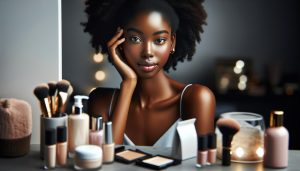
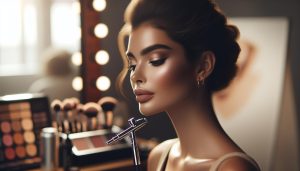
Contouring is more than just a makeup trend; it’s a transformative technique that can sculpt your features and enhance your natural beauty in mere minutes. With the right tools and tips, you can achieve that coveted lifted look, regardless of your experience level. Many feel intimidated by the thought of contouring, often concerned about creating harsh lines or an overly dramatic effect. This guide is designed to alleviate those worries, equipping you with actionable techniques to master contouring like a pro. Whether you’re preparing for a special occasion or simply want to elevate your everyday look, understanding the art of contouring can dramatically boost your confidence and style. Dive in to discover expert techniques, product recommendations, and insider secrets that will help you create a flawless, sculpted appearance that reflects your unique beauty.
Essential Tools for Contour Makeup Mastery
Achieving contouring excellence starts with the right tools, which can make all the difference in sculpting your face like a pro. Whether you are a makeup novice or an industry professional, the right selection of products will enhance your application techniques and help you achieve that coveted, chiseled look.
Begin with a quality contour palette. Look for one that includes a variety of shades, from lighter highlights to deeper contour hues, enabling you to create dimension on different areas of your face. A palette with both cream and powder formulas can offer versatility; cream products blend seamlessly on the skin, while powder formulas can be layered for a more defined look. Brands like Sephora and Ulta Beauty provide an extensive array of contouring products suitable for a range of skin types.
Next, invest in a high-quality brush set. Essential brushes for contouring include an angled brush for precision application along the cheekbones, a fan brush for highlighting, and a fluffy brush for blending out harsh lines. Makeup sponges can also be invaluable for achieving a flawless, airbrushed finish. Opt for tools that are synthetic if you’re using cream products, as they blend more efficiently without absorbing too much product.
Finally, don’t underestimate the importance of setting sprays or powders. These tools help lock in your contour look throughout the day. Consider lightweight, mattifying formulas that won’t weigh down your makeup but will provide a lasting effect. Brands like ELF and Ilia offer affordable options that cater to various skin types, ensuring you find the perfect match for your needs.
In essence, having the right tools not only enhances your makeup application but also empowers you to experiment and refine your contouring skills confidently.
Understanding Face Shapes for Sculpting Success
To achieve a flawless contour, understanding your face shape is paramount. Each type of face shape-be it oval, round, square, heart, or long-has distinct features that can be accentuated through contouring techniques. By utilizing shadows and highlights strategically, you can create the illusion of a more sculpted visage.
For those with oval shapes, the goal is to maintain balance. Apply contour along the sides of the forehead and under the cheekbones, keeping the chin light to preserve the natural harmony. Conversely, if you have a round face, contouring becomes essential in creating definition. Focus on the sides of the forehead, beneath the cheekbones, and along the jawline to elongate the face. Square faces benefit from softer contours that help round out the jawline-apply contour on the jaw and under the cheekbones while highlighting the center of the forehead and chin.
If your face is shaped like a heart, aim to create a sense of width around the chin. Contour the sides of the forehead and under the chin, while highlighting the cheeks and forehead to balance the narrower chin. Those with long faces should strategically apply contour along the sides of the forehead and along the jawline, while also adding highlights at the cheeks to create fullness.
Utilizing these tailored techniques not only enhances your natural beauty but also builds your confidence in applying makeup. To ensure you effectively sculpt your face, practice is key. As you experiment with different methods, take note of what works best for your features-this will make you feel more empowered while you master the art of contouring. Remember, the ultimate goal is to augment your unique beauty with a few artistic strokes!
Step-by-Step Guide to Contouring Basics
To achieve the perfect contour, mastering the basics is essential. Contouring is an art that helps define and enhance your facial features, giving you a sculpted and polished look. Here’s a straightforward guide to help you navigate through the fundamentals of contouring like a pro.
First, gather your tools. You’ll need a few essential products: a contour product that’s a few shades darker than your skin tone, a highlighter that’s a couple of shades lighter, a foundation that matches your skin tone, and makeup brushes or sponges. The right tools make all the difference in achieving a seamless finish.
Next, prep your skin. Start with a clean face, moisturize, and apply a primer to create a smooth canvas. Once your skin is ready, apply your foundation evenly across your face. This will even out your skin tone and serve as a base for the contouring process. Use a makeup sponge or brush to ensure it’s blended well.
Now comes the contouring magic. Using the contour product, map out where you want to create shadows. A good starting point is the hollows of your cheeks-suck in your cheeks and apply contour along the line that appears. Next, add contour to your forehead’s sides to bring balance, along your jawline to define it, and on your nose if you desire a slimmer appearance. Remember to keep the contour applied lightly, as you can always build it up, but it’s harder to take away excess product.
After applying contour, turn to highlighting. Apply your highlighter on the high points of your face: the tops of your cheekbones, the bridge of your nose, your brow bone, and your Cupid’s bow. This contrast will accentuate your features beautifully.
Blending is where your skills will shine. Use a clean makeup sponge or a soft brush to blend the contour and highlight seamlessly into your foundation. The goal is to create soft shadows and highlights without harsh lines, giving your face a natural, sculpted appearance.
Finally, set your makeup with a translucent powder to ensure it stays in place. This step helps maintain your flawless look throughout the day. With these steps, you can confidently contour and highlight, enhancing your natural beauty with each application. Remember, practice makes perfect, so keep refining your technique to find what works best for you.
How to Choose the Right Contour Products
Choosing the right contour products is essential to achieving a flawless sculpted look that enhances your natural beauty. The market is filled with an array of options, but selecting the appropriate products doesn’t have to be overwhelming. Understanding your skin type, tone, and the finish you want can help you make informed decisions that elevate your makeup game.
When it comes to contouring, the two primary types of products you’ll encounter are creams and powders. Cream contour products are ideal for dry or mature skin types, as they offer a dewy finish and blend seamlessly into the skin. Choose a cream formula if you prefer a more intense color payoff and a bit of extra moisture. On the other hand, powder contours are better suited for oily skin types, as they can help absorb excess oil while providing a matte finish. They are also great for beginners because they are versatile and easier to blend out for a softer look. As a general rule of thumb, go for a contour product that is about two shades darker than your skin tone to create the right amount of shadow.
For highlighting, look for products that are one to two shades lighter than your natural skin tone. This will ensure that the highlights stand out without looking stark. Many brands now offer illuminating products that can provide an added glow, so consider finishes such as shimmer, satin, or sheer to find what best complements your look. Some popular brands like Seint, Thrive, Ilia, and ELF provide high-quality options that can cater to various skin types and preferences-always test products when possible to see how they interact with your skin.
Lastly, tools matter. While a classic makeup brush or sponge can do the job, more specialized tools, like an angled brush for contouring cheekbones or a fan brush for highlighter application, can significantly enhance the ease and effectiveness of your technique. Remember to think about your personal style and comfort. The best products are the ones that empower you to express yourself beautifully while feeling confident in your own skin.
Blending Techniques for a Seamless Finish
The artistry of blending in contouring can make or break your sculpting game. When done correctly, it creates a flawless, seamless look that enhances your natural features without appearing heavy or overly made-up. Just as a painter blends their colors to achieve harmony on canvas, a makeup artist must artfully blend contours and highlights to achieve a beautiful, dimensional face.
To achieve a seamless finish, start with the right tools. A damp beauty sponge, such as the popular ones from Real Techniques or Beautyblender, is one of the best options for blending cream contours and highlights. For powder products, a fluffy brush with soft bristles helps to diffuse the pigment without disrupting your base makeup. Apply the contour product in small amounts and use a stippling motion with your sponge or brush. This technique allows for controlled blending, preventing the contour from looking too harsh. If you prefer a more airbrushed finish, use circular motions with your brush or sponge, softly merging the product into the skin.
An important blending tip is to focus on the edges. When you place your contour, make sure those lines are soft and well-blended into your foundation. This can be done by slightly dragging your sponge or brush beyond the contour line into the surrounding foundation, creating a gradient effect. For a polished look, switch between a clean brush to buff and a damp sponge to press the product. This method ensures that both cream and powder formulas can coexist beautifully without settling into fine lines or creating patchiness.
Always remember to adjust your pressure and movements based on the product type. Creams generally require more of a patting motion to ensure they meld into the skin, while powders can benefit from a light sweeping motion for blending. The goal is to achieve that lit-from-within glow that makes it seem like the shadows and highlights are a part of your complexion. Finally, use a setting spray like Urban Decay All Nighter to lock in your look and ensure your hard work pays off throughout the day. By mastering these blending techniques, you will achieve professional results that transform your makeup game.
Highlighting vs. Contouring: Perfecting the Balance
Balancing highlighting and contouring is essential for achieving a flawless makeup look that enhances your natural features while adding depth and dimension to your face. At its core, highlighting is about drawing attention to areas of your face that catch the light, while contouring subtly shadows and defines other areas to create shape. Understanding this interplay is crucial, as each technique complements the other, transforming a flat surface into a sculpted masterpiece.
To excel in this balance, start by identifying the high points of your face that naturally catch light: the tops of your cheekbones, the bridge of your nose, the center of your forehead, and your cupid’s bow. These areas are prime for highlighting. A liquid or cream highlighter can provide a luminous glow that looks HD and natural. Apply it sparingly with your fingers or a small brush for a controlled effect. On the other hand, contouring involves applying a matte product-whether cream or powder-on the sides of your nose, the hollows of your cheeks, and along the jawline. This should be done with a less dense brush to diffuse the product effortlessly, avoiding harsh lines.
Another effective strategy lies in using complementary shades. Select a contour shade that is 1-2 shades darker than your foundation and a highlighter that is 1-2 shades lighter. This contrast creates visual interest while remaining true to skin tones, ensuring you don’t look overly made-up. Remember, the goal is to mimic the natural play of light and shadow on your face. Don’t forget to assess your work in different lighting conditions to ensure your look translates well in all environments.
A common issue that arises is the desire to overdo both techniques; remember that less is more. Start with a light application and build up gradually. The beauty of contouring and highlighting is in its adjustability-what might seem subtle in the beginning can often be layered to create more impact without veering into an exaggerated territory. By mastering the balance between these two methods, you will elevate your makeup game, achieving that effortlessly sculpted look that radiates confidence and sophistication.
Advanced Contour Techniques for Professionals
To elevate your contouring skills from basic to advanced, it’s essential to delve into techniques that professionals use to achieve stunning, sculpted looks. One powerful method is experimenting with cream versus powder formulations. While powders are great for enhancing and setting a look, creams provide a more natural, blended finish that mimics skin texture and can be built up for versatility. Use cream contours for a fresh, dewy complexion, particularly on dry skin types, and reserve powders for oily skin or for creating sharper lines.
Another advanced technique is known as “reverse contouring,” where you start by applying a highlighter on the areas you typically would contour. This method not only brightens your face but also helps in defining areas without heavy shadowing, perfect for a more modern, soft-focus aesthetic. Layering is also key; use translucent powders to set your cream applications lightly, maintaining the skin’s natural glow while preventing excess shine.
Mastering Light and Shadow
Understanding the science of light is crucial for contouring like a pro. Different light sources can drastically change how your contour appears. To become adept at adjusting your application based on lighting, it’s recommended to practice your techniques in various light conditions-natural daylight, fluorescent lighting, and under warm lights. This adaptability ensures your look remains seamless whether on camera or in person.
Incorporating color theory into your contour routine can dramatically enhance the outcome. Experiment with blush and bronzer that complements your skin tone and absorbs well with your contour shade. For instance, warm undertones can benefit from orange or peach shades that give a sun-kissed effect, while cooler tones thrive with pinks or berry colors. This strategic layering of colors not only sculpts your face but also creates a harmonious balance that enlivens your features.
Ultimately, the most powerful tool in your advanced contouring arsenal is patience and practice. The more you practice, the more intuitively you’ll understand your unique angles and how to emphasize your best features while downplaying those you’d prefer to soften. Use high-quality brushes tailored to specific applications and maintain a diverse palette of products. Tailor your technique to fit both day and evening looks, allowing for versatility in your makeup artistry.
Common Mistakes to Avoid in Contouring
Contouring can transform your makeup game, but mistakes can easily undermine your efforts. A common pitfall many encounter is over-applying contour products, which can lead to harsh lines and an unnatural look. Instead, start with a small amount of product and build up gradually; this approach ensures a more blended and soft appearance. Remember, contouring is about enhancing your natural bone structure, not masking it. When in doubt, use less – it’s easier to add than to take away!
Another frequent error is neglecting to blend adequately. Lines that are too sharp draw attention rather than create the seamless, sculpted look you’re aiming for. Invest in good quality blending tools, such as beauty sponges or tapered brushes. The latter can get into nooks around the nose or under the cheekbones effectively. Moreover, consider that the skin’s texture matters. Prepping your skin with a good moisturizer or primer can make blending smoother and prevent the product from clinging to dry patches.
Additionally, mismatching your contour shades to your skin tone is a mistake that can sabotage your entire look. It’s vital to choose shades that are one or two shades darker than your natural skin tone for contour, while highlights should be one to two shades lighter. For warmer undertones, opt for bronzers with golden or peachy hues, while cooler undertones can benefit from taupe or grayish shades that mimic natural shadow. Always swatch products on your skin to find the most flattering colors.
Finally, insufficient focus on lighting can lead to disappointment once you step out. The way your contour looks can vary significantly under different light sources. Take the time to check your look in natural light, which can offer a clearer view of how well your contouring looks in everyday conditions. By avoiding these common missteps, you’re one step closer to achieving that professional-level contour that enhances your beauty naturally and confidently.
Quick Contour Tips for Busy Mornings
In the fast-paced world we live in, efficiency is key-even when it comes to beauty routines. Quick contouring can elevate your look in just minutes, making it a must-know skill for busy mornings. To achieve a sculpted appearance without the hassle, focus on using multipurpose products and smart application techniques that save time while delivering great results.
Start with a cream contour stick or a liquid formula; these products blend seamlessly and can easily be applied with your fingers or a makeup sponge. Aim for a contour shade that is one to two shades darker than your natural skin tone. This allows for a natural-looking shadow effect that won’t take excessive time to build up. Place the product strategically on your cheekbones, jawline, and forehead, following the natural contours of your face. For an even quicker application, consider using a tinted moisturizer instead of foundation to even out your skin tone, allowing the contour to blend effortlessly.
To enhance the sculpting effect without spending extra time, employ the “three” technique. Sweep your contour tool from your forehead to your cheekbone, and then down to your jawline, creating a soft “3” shape on each side of your face. Use a damp sponge to blend the edges, which will soften any harsh lines and give you that flawless finish. Finish off your look with a quick swipe of highlighter on the high points of your face-think cheekbones, the brow bone, and the tip of your nose. This step adds brightness without requiring an elaborate application process.
Lastly, set your look with a lightweight setting spray or a translucent powder for extra staying power. Remember, the key to quick contouring is to stay focused and use the right tools that allow for speed and ease. With practice, these techniques will become second nature, helping you look polished and put together, even on the busiest of days. Embrace this routine and watch your efficiency soar while you enjoy the beautiful, sculpted look you desire!
Setting Your Contour: Best Finishing Products
Achieving a flawless, sculpted look requires more than just effective application of your contour products; it also hinges on how you set that look to last throughout the day. The importance of choosing the right finishing products cannot be overstated, as they help to lock in your makeup, reduce shine, and maintain the integrity of your contour for hours. A well-set contour not only looks polished but also feels weightless, making it a vital step in your makeup routine.
To ensure your contour withstands the test of time, consider incorporating a few key products into your finishing routine. Translucent setting powder is a game-changer. A lightweight powder helps control shine without adding extra color, allowing your contour to remain vibrant while preventing that dreaded midday fade. When applying, use a fluffy brush to dust a light layer over your contour areas, focusing especially on the T-zone to absorb excess oil. Brands like Laura Mercier and RCMA offer excellent options known for their long-wearing properties.
For those who prefer an alternative to powders, setting sprays are a fantastic choice. A quality setting spray provides a final touch to your makeup, locking everything in place while imparting a dewy finish. Look for formulas that are oil-free and specifically designed for long wear. Products from lines like Urban Decay All Nighter or MAC Prep + Prime have gained popularity for their ability to extend makeup wear without compromising the look of your contour. Simply hold the spray at arm’s length and mist over your face to create a protective barrier against environmental factors throughout the day.
To elevate the longevity of your sculpted look further, use a highlighter in conjunction with your contour to enhance the areas that catch the light naturally. Applying a highlighter to the high points of your face – such as the tops of your cheekbones, bridge of your nose, and brow bones – creates a beautiful contrast with your contour. Use a fan brush for precise application and choose products with a subtle sheen over glitter for a more sophisticated glow.
In summary, setting your contour effectively can transform your makeup game. Utilizing the right combination of setting powder, sprays, and highlighters ensures that your look remains fresh and flawless, allowing you to confidently face whatever your day has in store. Embrace these recommendations to elevate your contouring skills and achieve that professional finish at home.
Contouring for Different Skin Tones and Types
Knowing how to contour effectively based on skin tone and type can significantly enhance the final outcome of your makeup application. Understanding these nuances not only allows for a more customized approach but also ensures that the contouring products work harmoniously with your unique complexion.
For those with fair skin tones, it’s essential to choose contour products that are not too dark or warm. Look for creamy or powdery formulas with cool undertones-think taupe or soft gray shades that simulate natural shadows. Products like the Seint Contour Kit can provide the necessary array of shades suitable for lighter complexions. Applying contour in a light hand is key; build up gradually for a more natural effect.
If you have a medium skin tone, you can experiment with a wider range of contour products. Warm undertones such as caramel or chocolate can add depth without looking harsh. Brands like Thrive Causemetics offer various contour options that cater specifically to medium tones, integrating both cream and powder formulations. Applying a bronzer in combination with your contour can bring warmth back to your skin while maintaining dimension.
For those with deep or dark skin, utilizing rich, pigmented contours is vital. Look for deep chocolate or mahogany hues that will stand out against your skin-these can create striking definition. Contour products like Ilia’s Multi-Stick for darker skin can deliver intense pigmentation while remaining blendable. Remember to apply lighter highlighters to bring forward features in a way that’s flattering, further enhancing your sculpted look.
Regardless of your skin tone, ensure that you’re considering your skin type as well. For dry skin, opt for creamy contours, as they glide on smoothly and provide hydration. On the other hand, oily skin types may benefit from powder contours to avoid excess shine. Always prep your skin adequately-hydrating with a moisturizer or primer will set a good base for your contouring endeavors.
Ultimately, contouring is about enhancing what you already have, celebrating your unique beauty, and finding what works best for you. By understanding the contour products best suited for your skin tone and type, you can master the art of sculpting and achieve that flawless, professional finish.
Celebrity Contour Looks You Can Recreate
Incorporating celebrity-inspired looks into your makeup routine can elevate your contouring game significantly. Many celebrities are known for their flawless makeup, often achieved through expert contouring that accentuates their features and creates that coveted sculpted look. Here are some iconic celebrity contour techniques that you can easily replicate at home, bringing a touch of glam to your everyday style.
One of the most renowned figures in the contouring realm is Kim Kardashian, whose signature look revolves around a perfectly sculpted face. To achieve this, start with a foundation that matches your skin tone, then select a contour product that is one to two shades darker. Apply the contour under your cheekbones, along your jawline, and at the sides of your nose. Use a highlighter on your cheekbones, the bridge of your nose, and the cupid’s bow to bring dimensionality to your look. Blend thoroughly for a seamless transition, ensuring there are no harsh lines. For an even more polished finish, set your makeup with a translucent powder to lock it in place.
Another makeup icon is A-list actress Margot Robbie, who often opts for an effortlessly radiant look. To recreate Margot’s subtle yet effective contour, choose a cream formula instead of a powder. Cream contours can provide a more natural finish and are easily blendable. Focus on applying contour along the perimeter of your forehead and the sides of your nose, blending upwards towards the temples for a lift. Use a light hand when applying highlighter on the cheekbones and forehead; a soft glow is key here to mimic Robbie’s dewy skin.
If you’re looking for a bold, high-impact contour similar to that of singer Beyoncé, try this technique. This involves using a more pigmented contour product. Apply contour in a more defined manner, ensuring that you create strong cheekbones and a defined jawline. Use a concealer two shades lighter than your skin tone for highlighting, applying it in a triangular shape under the eyes, down the bridge of the nose, and on the chin. For a Beyoncé-worthy finish, focus on your eye makeup as well; bold eyes can complement a strong contour beautifully, creating a harmonious balance.
In addition to replicating these celebrity looks, don’t forget to personalize these techniques to suit your face shape and skin tone. Experimentation is key-try different products and techniques to see what best enhances your unique features. As you work through these celebrity-inspired looks, remember that confidence is your best accessory; wear your makeup proudly!
FAQ
Q: What are the best products for beginners to use when contouring?
A: Beginners should start with a cream contour kit or powder palette that includes both contour and highlight shades. Look for products that blend easily and have a natural finish, such as those from brands like NYX or Fenty Beauty. This allows for easier application and adjustment.
Q: How can I make my contour last all day?
A: To make your contour last, apply a setting spray or powder after completing your makeup. Also, choose long-wear products and consider using a primer before foundation. This helps to lock in your look and maintain the intensity of your contour throughout the day.
Q: Can I contour without makeup?
A: Yes, you can achieve a natural contoured look without makeup. Use facial yoga techniques or highlighter and bronzer that are skin-friendly, like tinted moisturizers or creams. Focus on creating the illusion of shadows and highlights with your skincare routine.
Q: How do I fix uneven contouring?
A: Correct uneven contouring by applying a small amount of concealer over the area and blending it carefully with a beauty sponge. If needed, reapply contour in the desired area. Building gradually helps ensure a smooth finish and balanced look.
Q: What are common contouring mistakes to avoid?
A: Common mistakes include using the wrong shade that’s too dark or too light, applying too much product at once, and not blending enough. Always test colors and build up layers gradually while blending well to avoid harsh lines.
Q: How do I contour my nose effectively?
A: To contour your nose, use a small brush to apply a matte contour shade along the sides, blending inwards. Highlight the bridge with a lighter shade to create the illusion of a slimmer nose. Keep the application subtle for a natural effect.
Q: Is it necessary to highlight after contouring?
A: Yes, highlighting after contouring is essential for creating dimension on your face. While contour brings shadows, highlights brighten the high points, bringing balance and enhancing your features. Apply highlighter on the cheekbones, brow bone, and nose bridge for best results.
Q: How can I contour for a photoshoot?
A: For photoshoots, use a more defined contour technique with higher contrast between your highlight and contour. Focus on the areas that will catch the light, and consider using cream products for a smoother finish. Setting spray can also help achieve a long-lasting look.
The Conclusion
Now that you’re equipped with the skills to contour like a pro, why not put your newfound techniques to the test? Embrace the art of sculpting your face to emphasize your natural beauty. Don’t forget to check out our related guides on achieving a flawless base and selecting the best contour products to enhance your makeup looks. Your journey doesn’t end here; explore the latest trends in makeup tutorials, product reviews featuring brands like Seint, Thrive, and Ilia, or discover essential tools that can elevate your application game.
Feeling inspired? Join our community by subscribing to our newsletter for expert tips and exclusive content. We value your feedback, so share your thoughts and results in the comments below or tag us in your before-and-after photos! Your transformation could inspire others. Remember, mastering contouring is just the beginning-keep experimenting and exploring new techniques to refine your style and confidence. Together, let’s embark on this beautiful journey!