Makeup sponges are essential tools for achieving a flawless finish, yet many beauty enthusiasts struggle with how to use them effectively. Did you know that the right technique can elevate your foundation application from basic to breathtaking? In this guide, we will explore professional tips and tricks that cater to everyone-from makeup novices seeking a natural glow to seasoned pros aiming for a runway-ready look. Understanding how to harness the power of a makeup sponge can transform your beauty routine and boost your confidence, enhancing your overall makeup experience. Dive in to discover how to master this versatile tool and unlock the secrets to a smooth, seamless complexion that truly shines.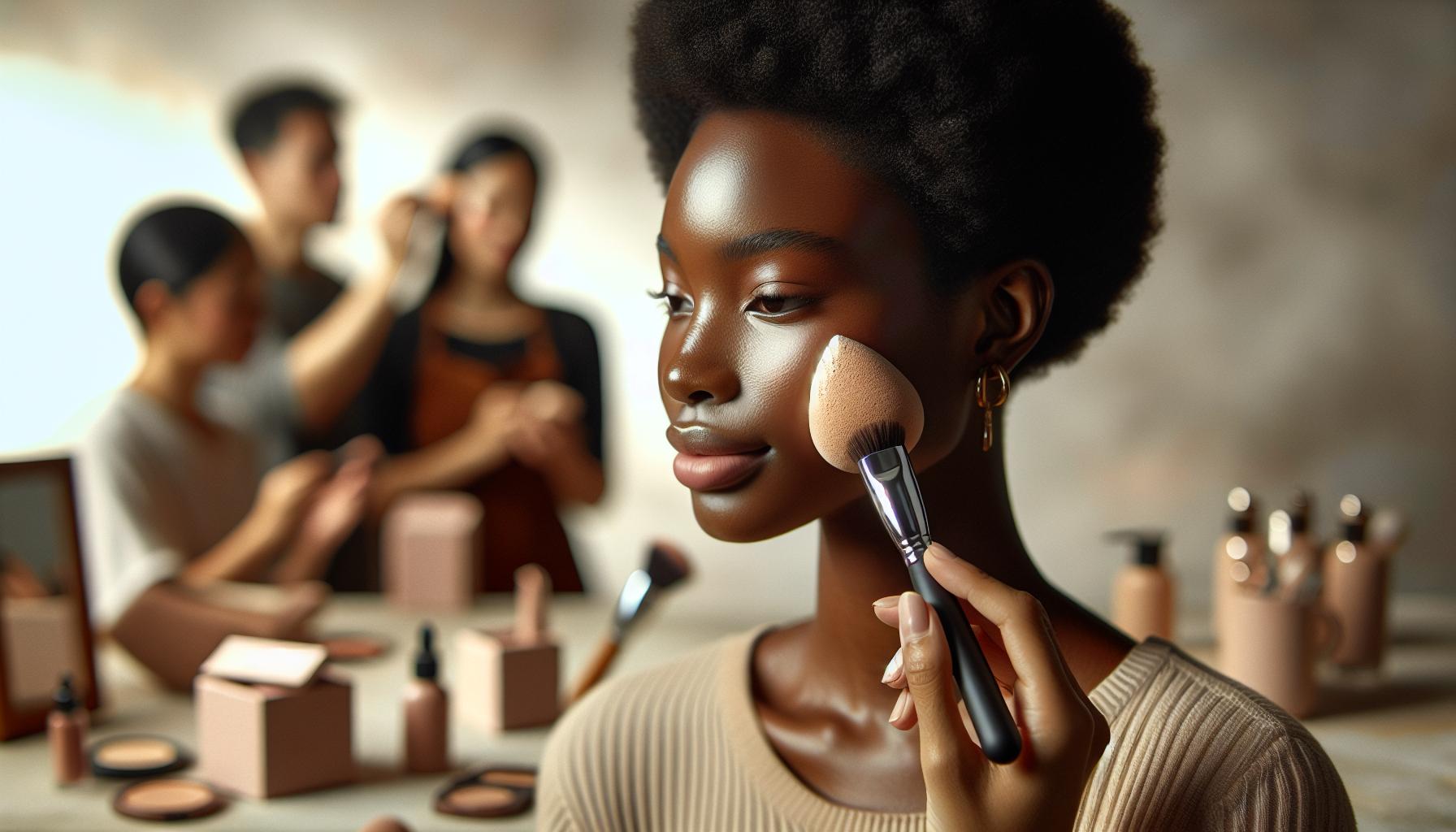
How a Makeup Sponge Transforms Your Routine
A makeup sponge can revolutionize your beauty routine, acting as a versatile tool that enhances the application of various products for a flawless finish. Its unique texture and shape allow it to absorb just the right amount of product, making it especially effective for delivering a seamless application of foundation, concealer, and more. With a damp sponge, you can achieve a natural, dewy glow, melding products into your skin rather than layering them on top. This transformative tool is not only beginner-friendly but also a favorite among professionals for achieving that coveted airbrushed look.
One of the key benefits of incorporating a makeup sponge into your routine is its ability to reduce the appearance of texture on the skin. Unlike brushes that may leave streaks or uneven patches, a sponge’s bouncing motion promotes a finely blended application. This is particularly advantageous for those with textured skin or imperfections, as it helps to soften the appearance of any flaws while providing buildable coverage. Moreover, using a sponge can lead to the effective use of cream and liquid products, allowing for controlled application and precise blending.
Additionally, the versatility of makeup sponges extends beyond foundation. They are perfect for setting powders, cream blushes, and even highlighters, allowing you to experiment with different finishes and styles. Armed with techniques like stippling or bouncing, you can customize the intensity of your look-from a soft, natural finish to a bold, dramatic statement. By mastering the use of a makeup sponge, you ultimately unlock a myriad of possibilities for your beauty looks, making it an essential tool in your makeup arsenal.
Choosing the Right Makeup Sponge for Your Skin Type
Choosing the perfect makeup sponge tailored to your skin type can significantly elevate your makeup application experience. Understanding your individual skin characteristics is essential for achieving that flawless finish, as different materials and shapes serve diverse purposes. Whether you have dry, oily, sensitive, or combination skin, there’s a sponge designed just for you.
For those with dry skin, opting for a soft, hydrophilic sponge is advisable. These sponges absorb water and product well, allowing for a more moisturizing application that prevents the appearance of flakiness. Look for sponges with a more velvety texture, like the classic Beautyblender, which provides a gentle touch and helps create a radiant finish by seamlessly blending in cream and liquid foundations.
If your skin tends to be oily, consider a firm, latex-free sponge that’s slightly denser. This type of sponge can help control the application of product, preventing it from sliding off your skin throughout the day. For example, the Real Techniques Miracle Complexion Sponge is a great choice; its pointed tip allows for precision around the under-eye area, while its larger surface area helps apply foundation evenly without soaking up too much product.
Sensitive skin requires a bit more caution. Choose a hypoallergenic sponge that is free from harsh chemicals and synthetic materials. Opting for sponges made from natural materials, like a konjac sponge, could be beneficial, as they not only ensure a gentle application but also provide additional skin benefits, such as exfoliation and balancing moisture levels. Always be mindful of irritation-ensure proper cleaning and maintenance of your sponge to avoid buildup of bacteria that could exacerbate sensitivity.
For combination skin, a multi-faceted sponge that features different textures can provide balance. Look for sponges with varying densities or dual-sided options that can adapt to your skin’s needs-applying foundation on your drier areas while giving a matte finish to your oilier zones. Experimentation is key; by understanding how each sponge interacts with your skin, you can unlock the secret to a perfect application tailored just for you.
In essence, the right makeup sponge can be a game-changer, transforming the way you apply products and influence how they wear throughout the day. Take the time to select based on your skin type and keep experimenting to find the sponge that feels like an extension of your own artistry.
Essential Prep: Cleaning and Hydrating Your Skin
Before diving into your makeup routine, an often overlooked yet crucial step is ensuring your skin is both clean and well-hydrated. Proper prep not only forms a flawless canvas for your application but also maximizes the efficacy of your products, especially when using a makeup sponge. A clean, hydrated face allows for seamless blending and application, ensuring that your makeup lasts longer and looks better throughout the day.
Begin with a gentle cleanser that suits your skin type. For oily skin, a foaming or clay-based cleanser can effectively remove excess oil and impurities; for dry skin, opt for a hydrating cream or oil cleanser that doesn’t strip away natural moisture. After cleansing, follow up with a toner to balance your skin’s pH levels. Look for toners infused with hydrating ingredients like glycerin or hyaluronic acid that not only prepare your skin for moisturizer but also provide a refreshing boost.
Hydration is key when preparing your skin for makeup application. A well-hydrated face enhances the performance of your makeup sponge, making blending a breeze. Apply a moisturizer suitable for your skin type; a lightweight gel for oily skin or a richer cream for dry skin. Give your moisturizer a few minutes to fully absorb before moving on to primer. If you are aiming for a dewy finish, consider using a hydrating primer that contains illuminating ingredients. This sets the stage for a radiant look and ensures that your foundation glides on effortlessly.
As an additional step, using a setting spray or hydrating mist right before makeup application can add an extra layer of moisture and give your skin a dewy finish. This prepares your base and allows the makeup sponge to sponge up the right amount of product, preventing cakiness and promoting an even application. Proper skin preparation forms a crucial foundation for a beautiful makeup look, enhancing not only your application techniques but also your overall confidence.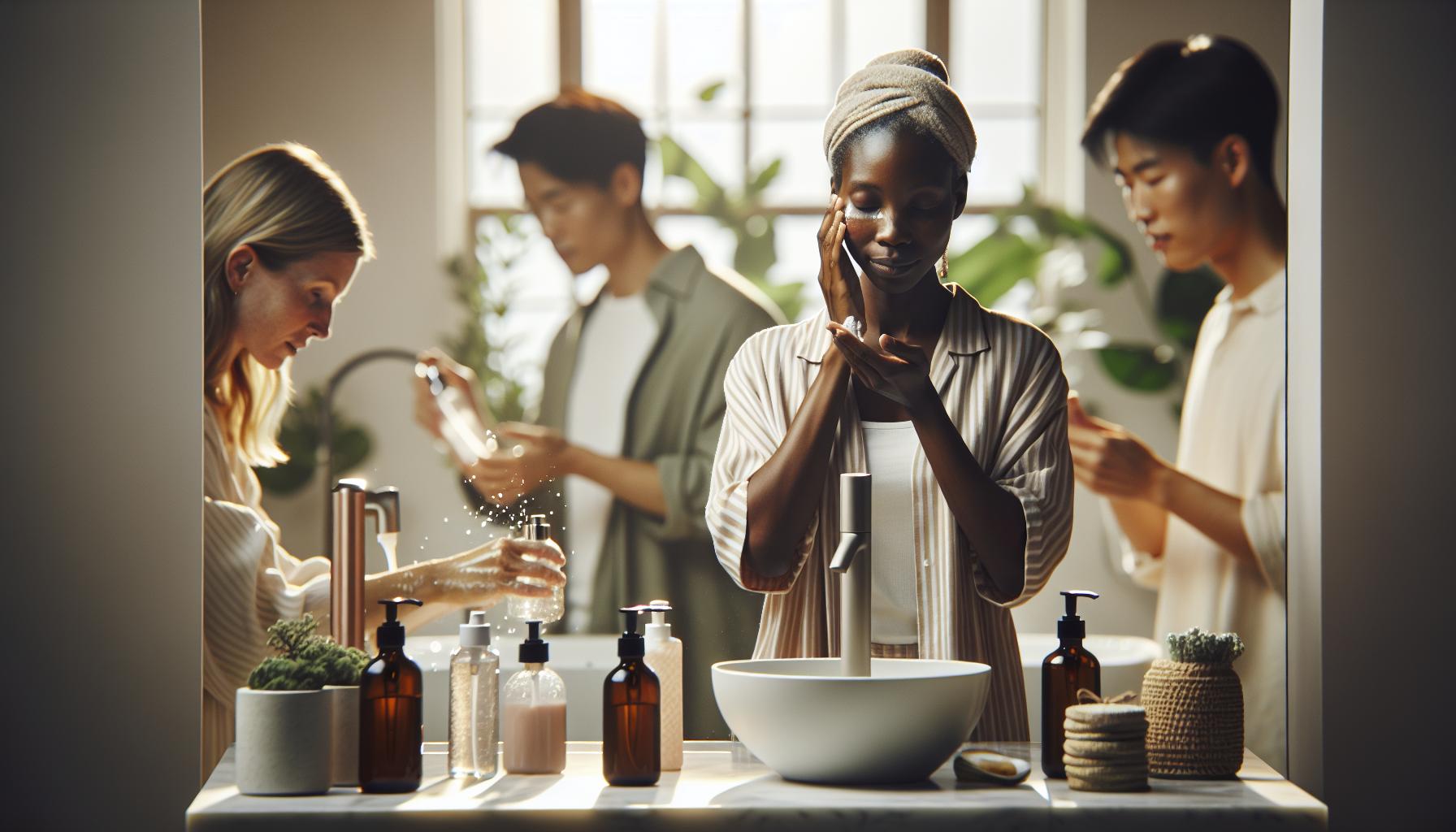
Step-by-Step: Applying Foundation with a Makeup Sponge
Achieving a seamless foundation application is a game changer in any makeup routine, and a makeup sponge is your best ally in this endeavor. Its unique texture is designed to mimic the softness of your skin, allowing for a more natural finish that brushes often struggle to achieve. Here’s how to effectively apply foundation with a makeup sponge to achieve that coveted flawless look.
Start by selecting the right foundation formula that suits your skin type-be it liquid, cream, or stick. The key to a great finish is to apply the foundation with a damp sponge. Wetting the sponge not only enhances its blending capability but also helps to keep the foundation from absorbing too much product, preventing a cakey appearance. Simply run the sponge under water, then squeeze out the excess until it’s damp, not soaking wet.
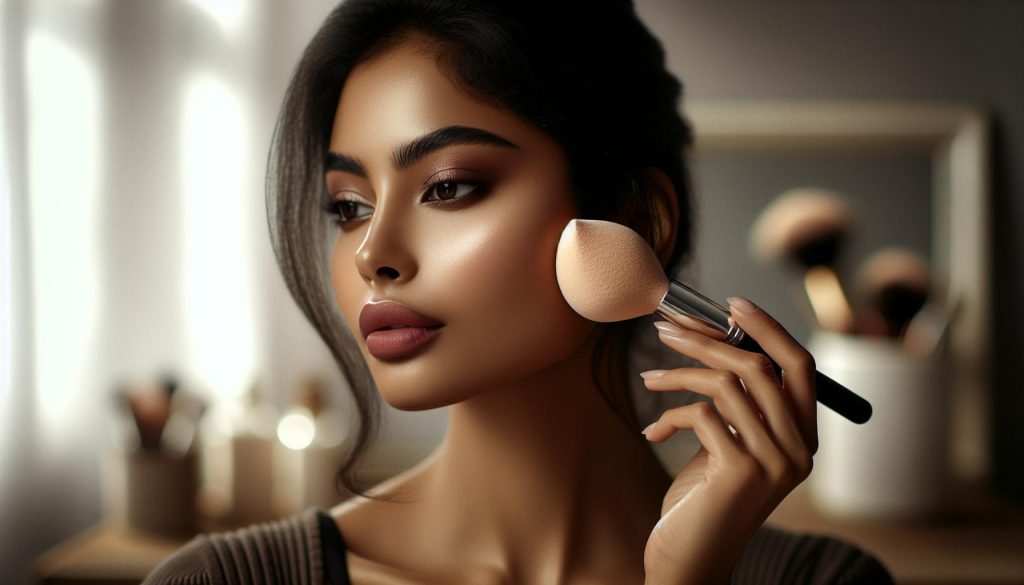
Next, pour a small amount of foundation onto the back of your hand or a palette. Use the rounded end of the sponge to pick up a little product; remember, less is more here. Start applying the foundation from the center of your face, which is often where coverage is needed most-specifically around the nose, cheeks, and forehead. Use a bouncing motion, pressing the sponge into the skin rather than sweeping it. This stippling technique not only blends the product evenly but also helps to build coverage gradually, allowing you to stop when you’ve reached your desired look.
As you move outward towards the jawline and hairline, ensure to blend well to avoid any harsh lines. For areas that require extra coverage, such as blemishes or redness, tap the sponge lightly in those specific spots to layer additional product without disturbing the base.
When done correctly, using a makeup sponge for foundation application can drastically reduce the appearance of pores and fine lines, leaving behind a smooth, airbrushed complexion. Embrace this technique, and watch as your foundation transforms into a skin-like finish that radiates confidence.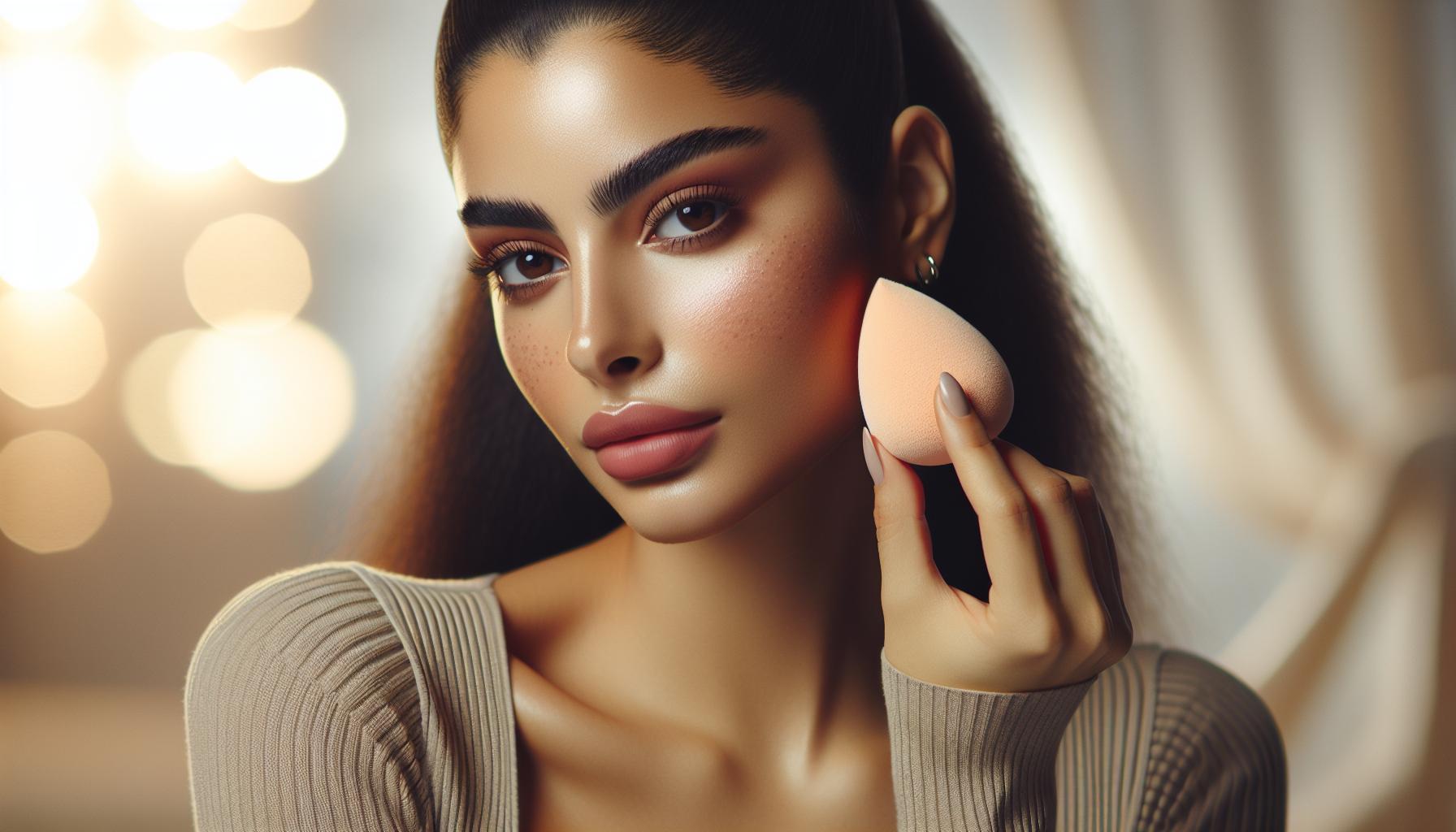
Mastering the Art of Blending Concealer Flawlessly
Achieving a perfect blend of concealer can elevate your makeup game, allowing blemishes, dark circles, and discoloration to disappear seamlessly. A makeup sponge is your best friend during this process, thanks to its ability to blur and polish while maintaining a lightweight feel. Using the right techniques with a sponge will ensure you create an even, natural finish that doesn’t settle into fine lines or look heavy.
To start, select a concealer that matches your skin tone or is slightly lighter if you aim for a brightening effect under the eyes. Applying the product with your makeup sponge is crucial; the sponge’s texture allows for a soft finish that will diffuse the product effectively. Dab a small amount of concealer directly onto the areas needing coverage-such as the inner corners of your eyes, around the nose, or on blemishes-using the pointed end of the sponge for precision.
Blending Techniques for Flawless Coverage
When it’s time to blend, utilize a gentle bouncing motion with the damp sponge. This technique not only helps to spread the product evenly but also keeps the application light and airy. Aim to blend in a way that pushes the concealer into the skin rather than sweeping it across the surface; this prevents disturbing other layers of makeup you may have applied underneath. For areas with particularly stubborn dark circles, use the side of the sponge for slightly more pressure, which will effectively diffuse the concealer without removing it.
It’s essential to keep your sponge damp during this process, as the moisture helps to create a more seamless look without absorbing too much of the product. If you find that your concealer is settling into fine lines, consider using a tiny bit of setting spray on the sponge before blending to give extra staying power without compromising the lightweight feel.
In addition, learn to layer strategically. If you need more coverage, tap on a tiny bit of additional concealer and blend again, rather than applying a thick layer all at once. Less is truly more; the right amount of product will camouflage imperfections without drawing attention to them.
Lastly, finish by lightly setting the under-eye area with a translucent powder using a fluffy brush to lock everything in place without matting down the luminous look you’ve achieved. This harmonious balance in your makeup application will have you looking polished and fresh all day. By mastering these techniques, you’ll be on your way to flawless concealer application that enhances your natural beauty effortlessly.
Tips for Using Makeup Sponges for Different Products
Using a makeup sponge can transform your application routine, but knowing how to leverage its versatility for different products can take your beauty game to the next level. Whether you’re working with liquid foundations, creams, or powders, a makeup sponge adapts beautifully to each product, offering a flawless finish. Understanding the nuances of using a sponge can empower you to achieve the texture and coverage you desire while enhancing the longevity of your makeup.
When applying liquid foundations, a damp sponge is your best ally. The moisture allows the sponge to spread the product smoothly and prevents it from soaking up too much formula, leaving your skin looking hydrated. Start by applying foundation directly to your skin in areas requiring coverage, then use a bouncing motion to blend. This technique helps to create an even base and blends the foundation seamlessly into your skin. For best results, ensure that the sponge is thoroughly damp but not dripping; this balance optimizes the application and gives that airbrushed effect.
For cream and gel products, such as blush or bronzer, slightly modify your approach. Use a dry or slightly damp sponge to apply these formulas, as this may provide more intensity and control. Dabbing the product onto the sponge first before pressing it onto the cheeks allows for building up color gradually. Focus on the apples of your cheeks and blend towards the temples, creating a natural flush. When using cream products, remember that less is more; you can always add more, but it’s harder to take away once applied.
When tackling powder products, the application method shifts again. For setting powder, using a dry sponge can allow you to press the powder into your skin without moving the underlying foundation or concealer. This method creates a soft, velvety finish rather than a dusty appearance. Load the sponge with a small amount of powder, then press it onto the skin, especially in areas prone to creasing like under the eyes and around the nose. For highlighters, a sponge can help to melt the product into your skin for a glowing effect. Apply a little highlighter directly to the sponge and then press onto the high points of your face for a radiant finish.
By mastering these techniques, you’re not just improving your application skills but also elevating your overall makeup aesthetic. The key is to experiment with each product type to find what feels and looks best for your unique style while having fun with the process. Embrace the sponge as an essential tool in your makeup arsenal, and let it help you express your creativity and enhance your beauty effortlessly.
Advanced Techniques: Stippling, Bouncing, and Buffing
Using advanced techniques like stippling, bouncing, and buffing with a makeup sponge can elevate your makeup application to artistry. These methods not only enhance the final look but also offer diverse ways to achieve textures and finishes that suit various products and personal preferences. Understanding how to utilize these techniques effectively can empower you to create a flawless and professional finish with minimal effort.
Stippling is a technique that involves using a light, tapping motion to apply makeup. This is especially effective for liquid foundations and cream products, as it creates a natural, airbrushed effect. Start by applying your foundation to the back of your hand or directly onto the sponge. Using the rounded part of the sponge, gently tap the product onto your skin using small, quick motions. This method allows the product to sit on top of the skin rather than being pushed into it, resulting in a soft, blended finish. It’s ideal for those who desire medium coverage while maintaining a fresh look.
Bouncing is another essential technique that leverages the sponge’s unique shape and texture. This method is particularly useful when working with liquid foundations or concealers. Simply dampen your sponge and “bounce” it across your skin, applying foundation in a light, spring-like motion. This technique not only helps to evenly distribute the product but also allows it to blend seamlessly with your skin, providing a luminous finish. The key here is to keep the sponge moist but not dripping, as this enhances the ability of the sponge to meld the product with your skin for a naturally radiant appearance.
Buffing, on the other hand, involves using a circular motion to blend products into the skin, which is effective for achieving a flawless, polished look. This method works well with both liquid and powder products. For instance, with a dry sponge, gently swirl the sponge across your skin after applying foundation to ensure any harsh lines are softened. It’s also beneficial for pressed powder, as buffing helps to set the makeup and prevent it from appearing cakey. A technique to note is to focus on the areas where makeup tends to settle or crease; this will ensure that your final look remains smooth throughout the day.
Incorporating these advanced techniques into your makeup routine will not only refine your application skills but also enhance your overall aesthetic. Experimenting with stippling, bouncing, and buffing helps to discover which method works best for your skin type and desired coverage level. Embrace these techniques, and watch as your makeup application reaches new heights of professionalism and artistry.
Common Mistakes to Avoid for Perfect Application
When it comes to achieving a flawless makeup finish, using a makeup sponge can be both a boon and a source of common pitfalls. Understanding these missteps can elevate your makeup application from basic to professional, allowing you to create a beautiful canvas every time.
One of the most frequent mistakes is applying makeup with a dry sponge. A dry sponge absorbs product rather than distributing it evenly, leading to patches and streaks. Always dampen your sponge before use; this not only prevents excessive product absorption but also helps create a dewy finish that allows your foundation to glide on smoothly. Additionally, ensure that the sponge is only slightly damp, as being overly wet can dilute the product, making it less effective.
Another error many make is using the wrong technique for the type of product. For instance, using a bouncing method for thicker formulations can result in a cakey appearance. Instead, try stippling for heavier products, which allows them to sit beautifully on the skin without looking heavy. Additionally, avoid dragging the sponge across the skin, as this can create streaks; always use gentle tapping motions for better blending and a more even application.
Not cleaning your sponge regularly is another common oversight. Unclean sponges not only harbor bacteria but can also lead to compromised skin health and uneven application due to leftover product residue. Establish a routine for cleaning your sponge after every use to ensure optimal performance and hygiene. Simply use warm water and a gentle cleanser, rinsing thoroughly.
Lastly, ignoring specific areas of the face, such as around the nose and under the eyes, is often overlooked. These spots can easily accumulate product, appearing uneven if not blended well. Pay special attention to these areas by using the pointed tip of your sponge to reach nooks and crannies effectively, ensuring a seamless finish.
Embracing these tips not only enhances your makeup application but also builds your confidence in using one of the most transformative tools in your beauty arsenal. By avoiding these common mistakes, you can achieve the professional results you desire, empowering your personal style and preparing you for any occasion.
Caring for Your Makeup Sponge: Cleaning and Storage Tips
To maintain the efficacy of your makeup sponge and ensure a flawless application every time, proper care and storage are essential. A clean sponge not only contributes to better makeup results but also safeguards your skin from potential breakouts caused by bacteria buildup. Similar to skincare, which requires diligent attention, your makeup tools deserve the same commitment for optimal performance.
Start by establishing a cleaning routine. It’s advisable to wash your sponge after every use, particularly if you apply liquid or cream products that can cling to the fibers. A gentle cleanser-such as a dedicated sponge cleanser or a mild soap-works best. Wet the sponge thoroughly, apply a small amount of cleanser, and gently massage the sponge until it lathers. Rinse it under warm water until the water runs clear, ensuring all product residues are removed. Squeeze out any excess water without wringing the sponge, which can damage its shape.
When it comes to storage, consider a breathable pouch or a dedicated makeup sponge holder to keep your sponge safe and dry. Avoid storing it in airtight containers as this can encourage bacteria growth due to a lack of ventilation. Storing sponges upright, if possible, allows them to maintain their shape and ensures that they dry out completely between uses. For those who travel frequently, investing in a travel-friendly case designed specifically for makeup sponges can be a game-changer in maintaining hygiene on the go.
Cleaning and caring for your sponge might seem like a small aspect of your routine, but it greatly influences your overall makeup application and skin health. By adopting these simple yet effective habits, you not only enhance the longevity of your sponge but also elevate your makeup experience, giving you that professional edge. Embrace the maintenance of your beauty tools as part of your self-care ritual-after all, a little diligence goes a long way in achieving that radiant, flawless finish.
Expert Recommendations: Top Makeup Sponges to Try
Using a quality makeup sponge can truly elevate your makeup game, providing a seamless, airbrushed finish that brushes often struggle to achieve. With a multitude of options available, selecting the right sponge tailored for your needs can make a noticeable difference in your beauty routine. Here are some expert recommendations that highlight top makeup sponges worth considering:
Beautyblender
The iconic Beautyblender is a staple for many professionals and makeup enthusiasts alike. Its unique egg shape allows for versatile application – the rounded end blends large areas like the cheeks, while the pointed tip is perfect for precise areas like the corners of the eyes and nose. Made from a soft latex-free foam, it expands when wet, providing a flawless blend for both liquid and cream products.
Real Techniques Miracle Complexion Sponge
For those seeking a budget-friendly option, the Real Techniques Miracle Complexion Sponge is a phenomenal choice. This sponge features three distinct surfaces: a flat edge for contouring, a rounded side for blending, and a precision tip for targeted application. Its dense structure allows for a buildable coverage that suits various foundation formulas.
Juno & Co. Microfiber Velvet Sponge
Juno & Co.’s Microfiber Velvet Sponge stands out due to its innovative texture, which is designed to minimize product absorption while offering an exceptionally smooth application. The microfiber surface provides a unique finish that often requires less product than traditional sponges, making it ideal for those who prefer a dewy look.
e.l.f. Makeup Sponge
Another excellent budget pick is the e.l.f. Makeup Sponge. This sponge is designed not only for applying foundation but also for blending concealer and cream products effortlessly. With a soft, latex-free design, it ensures a gentle application on the skin. Plus, it’s easy to clean, making it a great option for beginners.
Thrive Causemetics Bliss Lip and Cheek Oil
While focusing on sponges, it’s worth noting complementary products like Thrive Causemetics Bliss Lip and Cheek Oil. This formula pairs beautifully with sponges for an effortless, radiant finish. Used in conjunction with any sponge, it can help create that coveted natural glow.
Investing in the right makeup sponges, along with understanding their unique features and benefits, can significantly enhance your foundation and concealer application. Remember, finding a perfect match often involves some experimentation, so don’t hesitate to try different sponges to see which one works best for your skin type and makeup products. Each option mentioned here not only boasts quality but also assures a flawless finish when used correctly, turning your routine from average to outstanding.
Makeup Sponge Hacks You Didn’t Know About
One of the most transformative tools in makeup artistry, the makeup sponge isn’t just for applying foundation; it can elevate every aspect of your beauty routine. The following hacks can help unleash the full potential of your makeup sponge, providing effects that may even surprise seasoned pros.
Start by utilizing different parts of the sponge for specific tasks. For instance, while the rounded edge is optimal for larger areas like the cheeks, try employing the pointed tip for precise applications around the eyes and nose. This targeted approach maximizes coverage and ensures that every contour of your face is flawlessly blended. To enhance your application further, dampen the sponge before use. A lightly moistened sponge expands, allowing for an even, airbrushed finish that seamlessly melds products into the skin.
Another lesser-known trick involves altering the sponge’s texture before application. Experiment with a setting spray or a hydrating mist; spritz it onto the sponge and let it absorb for a few seconds prior to applying your foundation. This not only helps to activate the product but also creates a refreshing layer that gives your skin a natural glow. Additionally, try using your sponge for powder products, such as setting powders and even blush. Press the dry sponge into the powder, then bounce it onto the skin-this technique prevents the powder from settling into fine lines and ensures even distribution.
When it comes to cleaning, a frequently overlooked hack is to use your regular brush cleanser. Simply pour a little into a dish, and gently swish your sponge around to remove remaining product. Rinse thoroughly and set it on a clean towel to dry. Regularly cleaning your sponge not only prolongs its lifespan but also ensures that your makeup application remains hygienic and flawless.
Incorporating these innovative hacks into your routine can redefine how you use a makeup sponge. From modifying techniques to utilizing complementary products, these insights can help you achieve stunning, professional results with minimal effort. Whether you’re a newcomer navigating the world of beauty or a seasoned artist, embracing these tricks will instill confidence in every step of your makeup journey.
Achieving a Dewy or Matte Finish with a Sponge
To achieve that coveted glow or a smooth matte finish in your makeup routine, understanding how to use a sponge effectively can make all the difference. The beauty of a makeup sponge lies not just in its versatility, but also in its ability to manipulate various products to create different effects based on your desired look. Whether you’re preparing for a day at the office or a night out, mastering these techniques can help you elevate your makeup game.
For a dewy finish, start by prepping your skin with a hydrating primer or serum, creating a flawless canvas. Dampen your makeup sponge using water or a hydrating mist, ensuring it’s sufficiently moist but not dripping. This will help your foundation blend beautifully without absorbing too much product. Choose a foundation or tinted moisturizer with a luminous finish; apply it to the back of your hand and use the damp sponge to bounce the product onto your skin. For added radiance, consider mixing a liquid highlighter with your foundation before application. This will not only enhance the glow but also ensure a seamless blend across your complexion.
Conversely, if you prefer a matte finish, start by applying a mattifying primer to control shine and expand your makeup’s wear time. Make sure your sponge is dry while applying a matte foundation-this prevents excess moisture from interfering with the product’s setting effect. Use a stippling motion, pressing the sponge onto your skin to build coverage gradually. For setting your makeup, lightly dip the dry sponge into a translucent setting powder and press it onto the areas prone to shine, like the T-zone. This technique not only helps to absorb excess oils but also creates a smooth canvas that maintains your makeup throughout the day.
In both cases, practicing with different techniques will aid in achieving your desired look. Understanding how the right tools, products, and methods can be blended together will enhance your overall makeup application, giving you the confidence to experiment and discover what works best for you.
Frequently asked questions
Q: What is the best way to wet a makeup sponge before use?
A: To wet a makeup sponge, soak it under running water until it expands. Then squeeze out excess water; the sponge should feel damp, not dripping. This helps the sponge apply makeup more evenly and prevents it from absorbing excess product.
Q: How do you clean a makeup sponge after use?
A: Clean a makeup sponge by applying a gentle cleanser or soap to it, then massage the sponge under warm water until the water runs clear. Rinse thoroughly to remove any residue, and let it air dry completely before storing. Regular cleaning prevents bacteria buildup.
Q: When should you replace your makeup sponge?
A: Replace your makeup sponge every 1-3 months, or sooner if you notice tears or fading color. A damaged sponge can harbor bacteria and affect makeup application. Regular replacement ensures a flawless finish and optimal hygiene.
Q: Can you use a makeup sponge for powder products?
A: Yes, a makeup sponge can be used for powder products. For a flawless finish, dip the sponge lightly into the powder and gently press it onto the skin, using a bouncing motion. This technique helps to set makeup without looking cakey.
Q: What techniques can enhance the use of a makeup sponge for contouring?
A: For contouring, use a damp makeup sponge to blend cream or liquid contour products seamlessly. Apply contour in the desired areas, then bounce the sponge to blend it out for a subtle, sculpted look. This technique ensures an even distribution of product.
Q: How can you achieve different finishes using a makeup sponge?
A: To achieve a dewy finish, use a damp sponge with liquid highlighter or tinted moisturizer. For a matte finish, ensure the sponge is dry when applying setting powder or matte foundation. Adjust the sponge’s moisture level based on the desired outcome.
Q: What should you avoid when using a makeup sponge?
A: Avoid dragging or wiping the sponge across your skin, which can lead to uneven application. Instead, use a bouncing or stippling motion for the best results. Also, avoid using it on dry skin without adequate prep, as this can cause patchiness.
Q: How do you store a makeup sponge after cleaning?
A: After cleaning, store your makeup sponge in a well-ventilated area to ensure it dries completely. Avoid closed containers that can trap moisture, promoting mold growth. A clean, breathable bag or a designated container works best for longevity.
The Way Forward
Now that you’ve discovered how to achieve a flawless finish with your makeup sponge, it’s time to put these pro techniques into practice! Remember, the key takeaways include proper dampening and blending for that perfect, airbrushed look. Don’t hesitate to explore our related articles on essential makeup tools and skincare routines for enhancing your beauty practice.
Ready to elevate your makeup skills even further? Click here to join our beauty newsletter for expert tips, product reviews, and exclusive promotions that cater to all your beauty needs. Plus, check out our recommendations for the best makeup sponges on the market to ensure you’re using top-notch tools.
If you have any questions or experiences to share, drop a comment below! We’re here to support your journey to beauty excellence, whether you’re a novice or a pro. Keep experimenting, and happy blending!