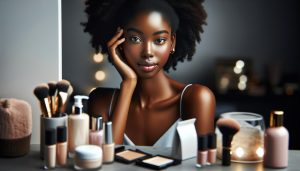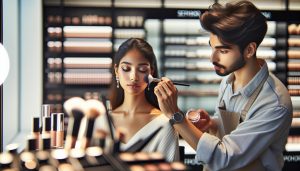
Makeup primer is often touted as an essential step in achieving a flawless look, but is it truly necessary? This versatile product acts as a bridge between skincare and makeup, enhancing the longevity and appearance of your foundation. For many, a smooth canvas can make all the difference in achieving that coveted airbrushed finish. However, with countless formulas available-from mattifying to hydrating-navigating the primer landscape can be overwhelming. Whether you’re a makeup novice seeking advice or a seasoned pro looking to optimize your routine, understanding the benefits of primer can unlock a new level of confidence in your beauty regimen. Join us as we explore the truth about makeup primer and discover whether it deserves a permanent spot in your makeup bag.
Is Makeup Primer Really Essential?
Makeup primer often sparks debate among beauty enthusiasts and professionals alike-some see it as an essential step in their routine, while others regard it as an optional extra. To put it simply, many consider primer a crucial component for achieving a flawless makeup look. The right primer can enhance the overall appearance of your makeup, ensuring it stays fresh and vibrant throughout the day. Furthermore, it can help smooth out the skin’s surface, creating an ideal canvas for foundation application.
For those facing challenges like enlarged pores, fine lines, or oily skin, primer plays a pivotal role in addressing these issues effectively. For example, a mattifying primer can absorb excess oil, leading to a more controlled and longer-lasting finish, while a hydrating primer can offer much-needed moisture for dry skin types. By acting as a barrier between skin and makeup, primers can also help to protect the skin from potential irritation caused by foundation ingredients.
Additionally, the proliferation of specialized primers in the market today caters to various needs, from illuminating and color-correcting to smoothing and blurring. This versatility signifies that whether you’re a makeup novice or a seasoned professional, there’s likely a primer to meet your specific requirements. Ultimately, the decision to include primer in your beauty routine should depend on your personal preferences, skin type, and desired makeup longevity.
Benefits of Using Makeup Primer

Using a makeup primer can transform your beauty routine, providing benefits that extend far beyond mere aesthetics. Think of primer as an essential foundation for your makeup, much like a canvas needs a base coat before the artwork can take form. Primers not only enhance the longevity of your makeup but also address various skin concerns, creating an ideal surface for foundation application.
One of the most significant advantages of makeup primers is their ability to smooth out imperfections. They fill in fine lines, blur the appearance of pores, and create a uniform texture that helps foundation glide on effortlessly. This results in a polished, airbrushed effect that is particularly beneficial for special occasions or photo-ready looks. Furthermore, specific primers are designed to cater to different skin types. For instance, a mattifying primer is perfect for oily skin, controlling shine throughout the day, while a hydrating primer can nourish dry skin, ensuring it remains plump and radiant.
In addition to improving makeup wear, primers can protect your skin from potential irritants found in foundation products. By acting as a barrier, they minimize direct contact between your skin and makeup, reducing the likelihood of breakouts or sensitivities. This protective quality is invaluable for those with sensitive or acne-prone skin, allowing them to enjoy makeup without compromising their skin health.
Lastly, the variety in today’s primer offerings means that there is a product tailored for everyone’s unique needs. From color-correcting primers aimed at minimizing redness to illuminating formulas that give your complexion a luminous glow, the right primer can elevate your makeup game. By customizing your makeup regimen with the appropriate primer, you not only enhance your final look but also instill confidence in your beauty routine, knowing that your makeup is set for the day ahead.
Different Types of Makeup Primers Explained
Choosing the right makeup primer can significantly impact your makeup application and overall look. With a variety of formulations available, it’s essential to understand what each type brings to the table. Let’s explore the different categories of makeup primers and how each one caters to specific skin needs and preferences.
Hydrating Primers
Ideal for those with dry or dehydrated skin, hydrating primers are infused with moisturizing ingredients that help to plump the skin and create a radiant base for foundation. These primers can provide a dewy finish, giving your complexion a fresh and youthful appearance. Look for formulations containing hyaluronic acid, glycerin, or botanical extracts that nourish the skin while enhancing luminosity.
Mattifying Primers
If you frequently deal with oiliness or shine throughout the day, a mattifying primer is your best bet. Designed to control excess oil and reduce the appearance of shine, these primers typically contain ingredients like silica or clay. They create a smooth, matte canvas that keeps your makeup intact for hours. This type of primer is particularly effective during warmer months or for long nights out.
Pore-Minimizing Primers
For those looking to refine the appearance of pores and achieve a flawless finish, pore-minimizing primers can significantly improve texture. These primers often have a silky consistency that fills in fine lines and pores, allowing foundation to glide on seamlessly. Look for products labeled as “smoothing” or “blur” primers for an airbrushed effect that lasts.
Color-Correcting Primers
Color-correcting primers are excellent for addressing specific skin concerns, such as redness, dullness, or uneven skin tone. Formulated with tinted pigments, these primers can neutralize unwanted hues and provide a more even base. For redness, consider a green-tinted primer, while a lavender primer can brighten a sallow complexion. These primers work to prepare the skin before foundation, ensuring a more uniform appearance.
Illuminating Primers
For an all-over glow, illuminating primers are the go-to choice. Infused with light-reflecting particles, these primers provide a radiance that helps enhance your complexion without looking overly shiny. They are particularly popular for achieving that ‘lit from within’ look and can be worn alone or mixed with foundation for a more natural finish.
By understanding the unique advantages of each type of makeup primer, you can better select the one that aligns with your skin type and desired look. This knowledge empowers you to not only enhance your makeup application but also address your specific skin concerns effectively.
When to Use Makeup Primer Effectively
Using a makeup primer can be the transformative step that takes your beauty routine to the next level. Understanding when to apply this crucial product can unlock its full potential, ensuring your makeup not only looks flawless but lasts throughout the day. Here are some key moments when a makeup primer shines its brightest.
First, consider the environment and occasion. If you have plans for a long day or a special event, using a primer is essential for longevity. It creates a barrier between your skin and makeup, preventing your foundation from settling into fine lines or melting away due to heat or humidity. For instance, during summer months or in humid climates, a mattifying primer can help absorb excess oil, while a hydrating primer is perfect for dry winters. Choosing the right primer can mean the difference between looking fresh or having to touch up frequently.
Additionally, skin conditions greatly influence the timing of primer application. If your skin has visible pores, redness, or discoloration, applying a pore-minimizing or color-correcting primer before foundation not only prepares the skin but also enhances coverage and promotes an even complexion. A luminous or illuminating primer may also be ideal before a night out, giving your skin a radiant glow that enhances any foundation.
When applying makeup, always remember that primer should be one of the first steps in your routine, following skincare. After your moisturizer has fully absorbed, applying primer before foundation is the key tip. This sequence ensures that the primer can seamlessly blend with your skin and set the stage for makeup application, rather than interacting negatively with other products.
Lastly, embrace the versatility of primers by experimenting with different types depending on your daily needs. For example, on a casual day with lighter makeup, a simple illuminating primer paired with a sheer tinted moisturizer can provide an effortlessly natural look. In contrast, when gearing up for professional engagements or evenings out, opting for more effective pore-minimizing or mattifying formulas can beautifully enhance confidence in your makeup’s durability.
In summary, recognizing the optimal times to use makeup primer is essential for achieving a polished and long-lasting look. By considering factors such as the day’s plan, your skin’s unique needs, product layering, and personal style, you can leverage the power of primer for stunning results.
How to Choose the Right Primer for Your Skin Type

Choosing the right makeup primer tailored to your skin type can be the secret weapon in your beauty arsenal, enhancing your makeup’s longevity and achieving that flawless look. With a vast array of primers available, knowing which one to pick based on your unique skin characteristics is essential. The right primer not only caters to your skin’s needs but also complements your makeup application, ensuring a smooth finish that lasts all day.
For those with oily or combination skin, mattifying primers are highly beneficial. These formulas often contain ingredients that help control shine and absorb excess oil, preventing your foundation from slipping off your face. Look for primers with silica or clay, which can create a smooth canvas and minimize the appearance of pores. Applying a mattifying primer in areas prone to oiliness can keep your makeup looking fresh even during warmer months or after a long day.
If your skin is dry or dehydrated, a hydrating primer can work wonders. These primers often incorporate moisturizing ingredients such as hyaluronic acid or glycerin, which not only provide hydration but also help foundation glide smoothly over your skin. Opt for a luminous primer to impart a subtle glow, giving the appearance of healthy, radiant skin. This choice is particularly advantageous during winter months when dryness can be exacerbated.
For sensitive or reactive skin, selecting a primer without added fragrance or potential irritants is crucial. Look for formulations labeled as hypoallergenic or specifically designed for sensitive skin. A silky, soothing primer with calming ingredients like aloe vera or chamomile can create a protective barrier over your skin while prepping it for makeup. This can lessen irritation and redness, enabling a more comfortable makeup experience.
Finally, understanding your skin’s specific conditions, such as enlarged pores, redness, or fine lines, allows for selecting targeted primers that address these particular issues. Color-correcting primers, for example, can neutralize redness with a green tint, while pore-filling primers typically contain soft-focus ingredients to blur imperfections, creating an even skin texture. Assessing your skin’s characteristics can lead to the primer that not only enhances but also complements your overall makeup routine.
Makeup Primer vs. Foundation: Key Differences
Makeup enthusiasts and professionals often wonder about the roles of primer and foundation in achieving that perfect makeup look. While both products are essential in the beauty routine, they serve distinct purposes and should be understood to maximize their benefits. Primer acts as the base for your makeup, smoothing the skin’s surface, providing hydration or oil control, and ensuring longevity. It preps the skin by filling in fine lines and pores, creating the ideal canvas for foundation application. In contrast, foundation’s primary role is to even out the skin tone, provide coverage, and enhance overall complexion.
Choosing the right foundation depends on desired coverage and finish-liquid, cream, or powder formulations cater to various needs, from sheer to full coverage. Whereas foundation can be used alone for those who prefer a more natural look, applying primer first can drastically improve the final result. For example, a hydrating primer paired with a matte foundation can strike a perfect balance, preventing dryness while ensuring a long-lasting finish.
The application order is also crucial: primer should always come before foundation. This not only enhances the foundation’s adherence but can also diminish the need for excessive touch-ups throughout the day. For those with specific concerns such as redness or enlarged pores, using targeted primers can complement the coverage achieved with foundation, allowing for a more flawless complexion.
When selecting products, consider how they interact. A lightweight, silicone-based primer can help a thicker, creamier foundation glide on smoothly, while a glow-enhancing primer can amplify the radiance of a dewy foundation. Understanding how primer and foundation work together is vital for those looking to create a polished, professional look. By strategically using both, you can ensure your makeup not only looks great initially but also lasts all day.
Common Misconceptions About Makeup Primer

While makeup primer has gained popularity in the beauty community, several misconceptions often cloud its actual purpose and effectiveness. One of the most prevalent myths is that primer is only necessary for special occasions or professional photoshoots. In reality, using a primer can enhance your makeup every day, providing a smoother application and more resilient wear, which can be particularly beneficial for those with busy lifestyles or long work hours.
Another common misconception is that all primers are the same. On the contrary, primers come in various formulations designed to address specific skin types and concerns. Some focus on oil control, while others provide hydration or luminosity. Understanding the type of primer that best suits your skin is essential for achieving optimal results. For instance, using a silicone-based primer on oily skin may result in a slippery finish, while a mattifying primer could help control shine effectively.
Many believe that if they have decent skin, a primer is unnecessary. However, even the best skin can benefit from a primer. It acts as a barrier between your skin and makeup, preventing the wear of foundation due to skin oils and environmental factors. This barrier is crucial for maintaining a fresh look throughout the day, as it helps keep makeup in place and minimizes the need for touch-ups.
Finally, a prevalent myth suggests that primer can be skipped if your foundation claims to have long-wear properties. Yet, even long-lasting foundations will perform better with a suitable primer, enhancing adherence and helping the foundation look smoother and more polished. Using both products can create a robust base for creative expression in makeup application, delivering a professionally finished look regardless of skill level.
Makeup Primer Application Tips for Flawless Results
When it comes to flawless makeup application, the importance of using a primer cannot be overstated. Primer acts as the unsung hero of your beauty routine, smoothing the skin’s surface and providing a perfect canvas for foundation. To achieve the most stunning results, mastering the application of primer is essential. Here are some expert tips to elevate your makeup game.
Start with a clean slate by ensuring your face is properly cleansed and moisturized. This doesn’t just prepare your skin; it creates a more effective bond between your primer and makeup. Utilize a gentle exfoliating cleanser a few times a week to remove dead skin cells, revealing a smoother surface for makeup to adhere to. Once your skin is prepped, apply a pea-sized amount of primer to your fingertips. Less is more-using too much can lead to a slippery canvas, causing your makeup to slide off throughout the day.
When it comes to application technique, the way you apply primer can significantly impact your makeup’s longevity and appearance. Use your fingers, a makeup sponge, or a foundation brush, but the key is to employ a tapping motion rather than a sweeping one. This stippling technique helps to press the product into your skin, enhancing adherence. Focus on areas with enlarged pores or where makeup tends to fade quickly, such as the T-zone. Allow the primer to set for a minute before proceeding with foundation to ensure that it properly adheres and binds with your skin.
Remember, different primers cater to different skin types and concerns. If you have oily skin, consider a mattifying primer that absorbs excess oil and minimizes shine, ensuring your makeup stays fresh. For dry skin, a hydrating primer infused with nourishing ingredients will create a dewy finish. If you’re looking to fill in fine lines and wrinkles, opt for a smoothing primer that offers a soft-focus effect. Tailoring your primer to match your skin’s specific needs will contribute to a more refined and polished look.
Finally, don’t forget to set your finished makeup with a setting spray or powder for enhanced longevity. This added step not only locks in your makeup but also helps provide a barrier against environmental elements that can lead to wear and tear. With these application tips, you’ll transform your makeup routine and enjoy beautifully smooth, long-lasting results that let your natural beauty shine through.
Primer’s Role in Your Overall Makeup Routine
In the competitive world of beauty, the role of primer is often underestimated, yet it can be the deciding factor in achieving a polished and long-lasting finish. Think of primer as the foundation for your makeup landscape; it prepares your skin much like a canvas primed for painting. By smoothing out the texture of your skin, minimizing the appearance of pores, and creating a barrier between your skin and makeup, primer elevates your overall makeup routine from basic to exceptional.
The Foundation for Flawless Makeup
When you apply primer, you’re not just prepping your skin; you’re enhancing every product that follows it. The right primer can address specific skin concerns, whether you’re coping with oiliness, dryness, or uneven texture. For instance, a mattifying primer not only controls shine but also prolongs the wear of your foundation, making it ideal for humid environments or long workdays. Conversely, a hydrating primer provides a dewy, luminous finish, perfect for those who crave a fresh, glowing complexion. This targeted approach ensures that each layer of your makeup adheres better and performs at its best.
Linking Primer to Longevity
One of the most notable advantages of using primer is its ability to increase the longevity of your makeup. Imagine going through your day without the worry of touch-ups or fading; primer allows just that. By creating a conducive base, it minimizes the impact of external factors like humidity and sweat, holding your foundation in place far longer than it would without that initial layer. It’s particularly beneficial for themed events, weddings, or any occasion where you want to look your best for hours on end.
Empowering Your Makeup Choices
Incorporating primer into your routine not only enhances the appearance of your makeup but also empowers you to experiment with your look. With the confidence that your makeup will last, you might feel inspired to try bolder colors or more intricate techniques that you would otherwise hesitate to use. The effects of primer can drastically change the way you view your entire routine, encouraging you to explore new styles while knowing that you have a robust foundation beneath it all.
In summary, the role of primer extends far beyond mere preparation; it is a fundamental part of a comprehensive makeup strategy that promotes texture, longevity, and creative freedom. Making room for this essential product can dramatically influence your makeup experience, ultimately leading to stunning results that reflect the best of your personal style.
DIY Makeup Primers: Are They Worth It?
Creating your own makeup primer can be a rewarding endeavor, especially for those who prefer personalized beauty solutions. DIY makeup primers not only allow you to control the formulation but also enable you to target specific skin concerns without the potentially harsh ingredients found in some commercial products. Many beauty enthusiasts swear by the efficacy of simple, homemade recipes using natural ingredients that can be found right in your pantry.
One popular approach involves using aloe vera gel, which is known for its soothing properties. Combine it with a few drops of your favorite facial oil or essential oil to create a hydrating base. The gel provides a smooth canvas while the oil nourishes the skin. Another effective and straightforward DIY option is a mixture of glycerin and water, which can create a tacky layer that enhances makeup adherence, similar to commercial primers. Simply mix equal parts of glycerin and water in a spray bottle, shake well, and apply before your foundation for a dewy finish.
While DIY primers can be tailored to your specific needs, it’s important to be mindful of potential drawbacks. For example, homemade formulations might lack the longevity or specialized compounds that many store-bought primers offer, such as silicone blends that provide a silky texture and help fill in fine lines. If you’re seeking a long-wearing, matte finish, a commercial product designed for that purpose may ultimately be more effective.
Incorporating DIY primers into your routine can be a fun experiment that reflects your personal style-encouraging creativity while enhancing your makeup application. Just remember to perform a patch test for any new ingredients to minimize the risk of irritation. Embracing both DIY solutions and professional products can foster a dynamic beauty routine that evolves with your skin’s needs and personal preferences.
Makeup Primers for Special Occasions: A Guide
For anyone planning a special event, makeup can be a key element in feeling confident and polished. The right makeup primer can elevate your look by providing a smooth canvas, enhancing the longevity of your makeup, and ensuring it withstands the spotlight of any occasion-from weddings and parties to professional photoshoots. Understanding how to leverage primers effectively can make all the difference in your beauty regimen for these memorable moments.
When choosing a makeup primer for a special occasion, consider the specific needs of your skin and the type of look you want to achieve. For instance, if your event is outdoors, a mattifying primer can help control oil and shine, keeping your complexion fresh throughout the day. On the other hand, a hydrating primer may be ideal for dry skin, giving your foundation a radiant finish. Be mindful of weather conditions and your skin type when making your selection, as these factors will influence the effectiveness of the primer.
Here are a few primer recommendations based on common occasion-related needs:
- Wedding Day: A silicone-based primer like the Smashbox Photo Finish can create an airbrushed effect, filling in fine lines and pores to ensure your foundation looks flawless in every photo.
- Outdoor Events: Opt for a mattifying primer such as Becca Ever-Matte, which controls shine and helps your makeup withstand humidity.
- Evening Parties: A luminous primer like the Charlotte Tilbury Hollywood Flawless Filter will enhance your natural glow and reflect light beautifully.
- Long-Duration Applications: Consider using a setting primer with a long-wear formula to lock in your makeup throughout a day of celebrations.
In addition to selecting the right product, proper application is key. Ensure your skin is prepped with a good skincare routine a day prior, focusing on hydration and exfoliation. Apply the primer after your moisturizer, allowing it to set for a few minutes before layering on foundation. This will not only help in smooth application but also improve the overall finishing quality of your makeup.
Ultimately, using a primer for special occasions is not just a step in your makeup routine; it is an investment in the longevity and presentation of your look. By choosing the right product for the event and applying it effectively, you can shine with confidence and stay picture-perfect from start to finish.
Expert Recommendations for Popular Makeup Primers
When it comes to achieving a flawless makeup look that lasts through the day and night, the right primer can be a game-changer. With a plethora of options available, selecting the best primer for your skin can enhance your makeup’s longevity and improve its appearance. Here are some expert recommendations tailored to various needs and skin types to help guide your choices.
Best Primers for Different Skin Types
For oily skin, it’s crucial to choose a primer that minimizes shine and controls oil production. Becca Ever-Matte Poreless Priming Perfector is a top recommendation, as it offers a matte finish while controlling excess oil, making it ideal for hot and humid conditions. Alternatively, Too Faced Primed & Peachy Cooling Matte Perfecting Primer not only mattifies but also has a cooling effect that feels refreshing on the skin.
If you have dry or combination skin, a hydrating primer can make all the difference. Tatcha The Silk Canvas primes the skin while providing moisture, allowing your foundation to glide on smoothly without clinging to dry patches. Another excellent choice is Smashbox Photo Finish Hydrating Primer, a great option for a supple, dewy finish that helps your makeup adhere beautifully throughout the day.
For a glowy, luminous finish, one of the most celebrated options is the Charlotte Tilbury Hollywood Flawless Filter. This versatile primer can be worn alone for a natural glow or under foundation for an added radiance. It reflects light beautifully, making your skin appear youthful and vibrant.
Long-Wear Solutions
When durability is a priority, especially for special occasions or long workdays, consider a long-wear primer like Hourglass Veil Mineral Primer. This primer not only enhances makeup longevity but also contains SPF to protect your skin from sun damage, making it a superior choice for outdoor events.
For those with more specific needs, like combating redness, benefit’s POREfessional: Pearl Primer can help neutralize tones while offering a lightweight smoothness that minimizes the appearance of pores.
Application Tips for Optimal Results
Regardless of which primer you choose, application is key. Start with a clean, moisturized face. Apply the primer using your fingertips or a makeup sponge, focusing on areas where your makeup tends to fade first, like around the nose, forehead, and chin. Allow the primer to set for a few minutes before applying foundation for the best results.
Ultimately, investing in the right primer tailored to your skin type and makeup needs is essential in achieving a polished look. By utilizing these expert recommendations, you’ll not only enhance your makeup application but also boost your confidence as you take on any occasion with a flawless finish.
Faq
Q: What does makeup primer do for your skin?
A: Makeup primer creates a smooth base for your makeup, helping it apply more evenly and last longer. It fills in pores and fine lines, reduces shine, and can enhance the overall finish of your makeup. For more details, refer to the section on the benefits of using makeup primer.
Q: Can I use primer without foundation?
A: Yes, you can use primer alone for a fresh, natural look. Primers can help even out your skin texture and color, making your complexion appear more polished without the need for additional coverage. Check out the section on when to use makeup primer effectively for more insights.
Q: How do I know which primer is right for my skin type?
A: Choosing the right primer depends on your skin type: look for hydrating primers for dry skin, mattifying primers for oily skin, and pore-filling primers for enlarged pores. For a detailed guide, see how to choose the right primer in the main article.
Q: Is makeup primer required for a long-lasting look?
A: While not strictly necessary, primer significantly enhances the longevity of your makeup. It acts as a barrier between your skin and cosmetics, helping them adhere better and reducing the need for touch-ups. Explore common misconceptions about makeup primer for more context.
Q: Can I make my own makeup primer at home?
A: Yes, DIY makeup primers are possible, using ingredients like aloe vera gel or coconut oil for hydration. However, store-bought primers often provide more effective results due to their specialized formulations. Read more about DIY makeup primers in the article for expert tips.
Q: What happens if I skip the primer step?
A: Skipping primer can result in uneven makeup application and shorter wear time. Your foundation may settle into fine lines or appear patchy. For optimal results, it’s recommended to incorporate this step into your routine, as discussed in the section on the role of primer in your overall makeup routine.
Q: Are there primer alternatives for sensitive skin?
A: Yes, many brands offer sensitive skin-friendly primers that are fragrance-free and hypoallergenic. Look for products with soothing ingredients like chamomile or green tea extract. For more guidance, check out recommendations based on skin types in the article.
Q: Do I need to set my primer with powder?
A: Generally, setting primer with powder isn’t required unless you have oily skin or plan to wear makeup for an extended period. For details on flawless application tips, see the makeup primer application tips section in the article.
The Way Forward
In conclusion, understanding whether a makeup primer is necessary can significantly enhance your beauty routine and the longevity of your makeup. Whether you’re aiming for hydration, oil control, or a smoother base, the right primer can be a game-changer. Don’t wait to elevate your makeup application-try a primer today and experience the difference firsthand!
For more insights, check out our detailed guides on the best drugstore primers for every skin type and tips on achieving flawless makeup looks. If you have lingering questions or need personalized advice, feel free to explore our extensive reviews of top products like Seint and Thrive, which can help you make informed choices.
Join our community by signing up for our newsletter to stay updated on the latest in beauty and grooming techniques, and don’t hesitate to share your thoughts in the comments below-your experience matters! Explore our articles to dive deeper into the world of makeup and discover tips that boost both your confidence and glam game.