In a world where self-expression and creativity are paramount, understanding what goes into your makeup is crucial. From foundations to lipsticks, cosmetics are crafted from a variety of ingredients that not only enhance beauty but also affect skin health and safety. Did you know that some common additives can cause irritation or allergic reactions? With so many products available, it’s important for both makeup enthusiasts and professionals to be informed about what they are applying to their skin. This knowledge empowers you to make smarter choices, whether you’re selecting makeup for daily wear or perfecting your artistry. Join us as we delve into the essential ingredients that define your favorite beauty products and discover how they can influence your look and skin health. Embrace the journey to becoming a more conscious consumer and enhance your beauty routine with confidence!
The Origins of Makeup Ingredients You Should Know
The journey of makeup ingredients is a fascinating tale woven through history, culture, and science. From ancient Egypt, where crushed minerals like kohl were prized for defining eyes and enhancing beauty, to modern formulations that incorporate both nature and technology, the origins of these components tell us much about human expression and societal values. Early makeup makers relied heavily on natural resources-plants, minerals, and animal products-which were often imbued with cultural significance. Today, however, the landscape has shifted significantly as the beauty industry embraces a complex tapestry of ingredients that cater to diverse skin types and preferences.
Natural ingredients such as jojoba oil, shea butter, and essential oils are celebrating a resurgence in popularity. Many consumers are now drawn to the purity and perceived safety of botanicals, which often have medicinal properties alongside their cosmetic benefits. For example, aloe vera is recognized not only for its soothing effects but also for its ability to hydrate and heal the skin. On the flip side, synthetic ingredients emerged in the 20th century, gaining a foothold thanks to their consistency and scalability in production. These include compounds like silicones and preservatives, which enhance product performance and longevity, contributing to the modern, high-performance formulations we see on store shelves today.
It’s crucial to understand that the origins of these ingredients significantly impact product performance and user experience. For instance, mineral-based foundations often provide a breathable texture and natural sun protection, while chemical sunscreen agents can offer a more lightweight feel. Knowing where these components come from equips consumers with the knowledge to make informed choices about the products they apply to their skin.
Ultimately, the world of makeup ingredients is diverse and dynamic, reflecting ongoing innovation and shifting consumer desires. Whether opting for the sustainable allure of natural elements or the reliability of synthetics, today’s makeup enthusiasts have a wealth of information at their fingertips to navigate their beauty journeys. Embracing the knowledge of these origins not only empowers personal choices but also enriches the understanding of beauty’s evolving narrative in our lives.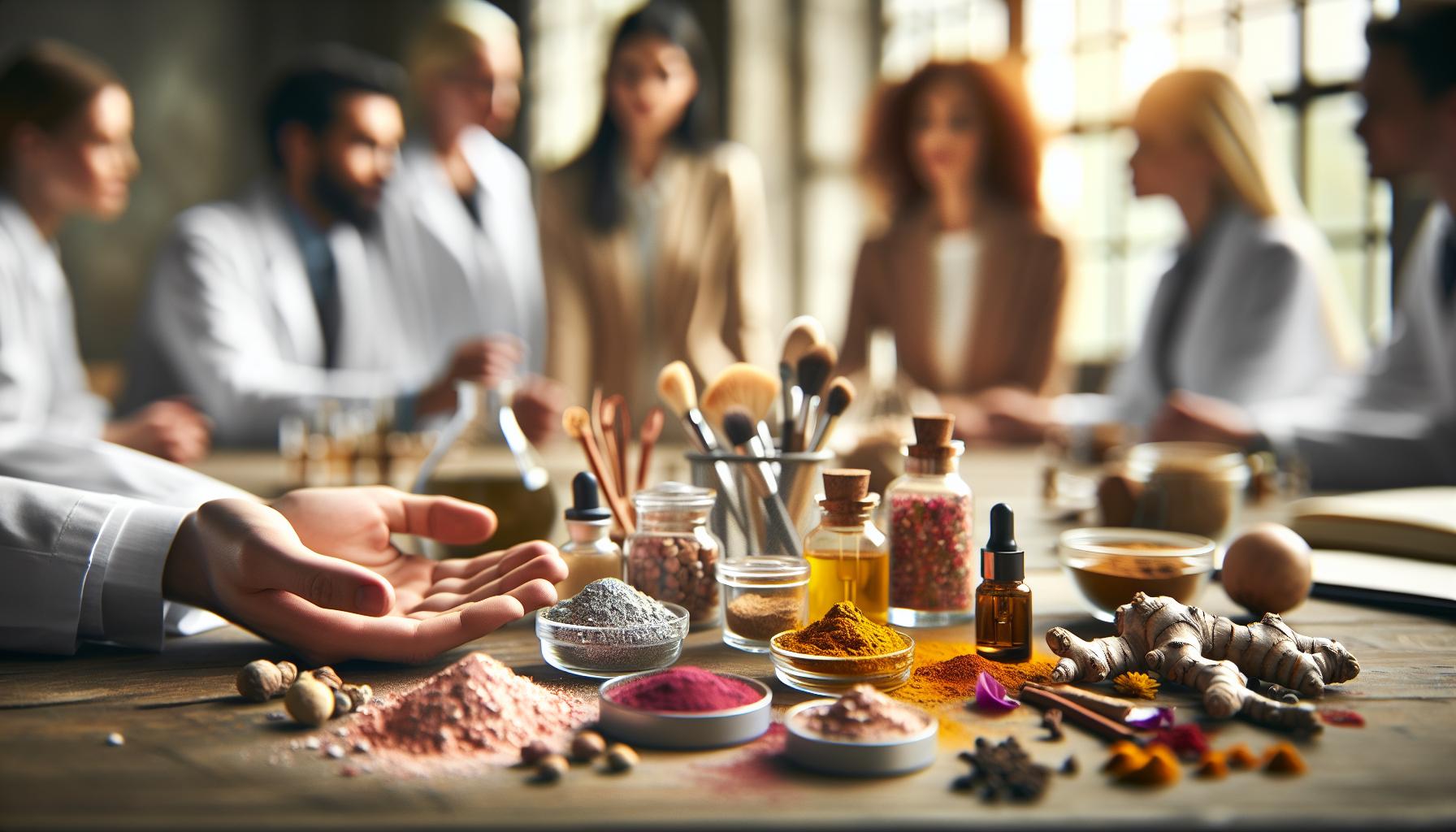
Common Ingredients in Makeup Products
In the world of beauty, understanding the composition of makeup products is as essential as mastering the application techniques. Many popular cosmetics contain a range of ingredients that serve specific functions, ensuring not only the enhancement of beauty but also skin health and longevity. The following are common ingredients found in makeup products, each with its distinct role.
Common Ingredients
- Water: Often the primary ingredient, water acts as a solvent that dissolve other components and enables smooth application.
- Emollients: Ingredients like jojoba oil, shea butter, and squalane provide hydration and help soften the skin, making makeup more blendable and comfortable to wear.
- Thickeners: Compounds such as xanthan gum and cellulose are used to achieve the desired texture, providing products with a luxurious feel while allowing them to spread evenly.
- Colorants: Natural pigments (like beet powder) or synthetic dyes (like FD&C colors) give cosmetics their vibrant hues, contributing to the aesthetic appeal of makeup.
- Preservatives: To maintain product efficacy and safety, ingredients such as parabens and phenoxyethanol are included to prevent microbial growth and extend shelf life.
- Fragrance: While they enhance the sensory experience, it’s crucial for sensitive skin types to seek products with mild or no fragrance to avoid irritation.
- Sun Protection Agents: Ingredients like zinc oxide and titanium dioxide offer physical sun protection, essential for defending skin against harmful UV rays in products like foundations and powders.
The Importance of Ingredient Awareness
Being informed about these common ingredients empowers consumers to make better choices that align with their skin needs and ethical values. For instance, those with sensitive skin might opt for products free from artificial fragrances and harsh preservatives. Meanwhile, consumers looking to support sustainable practices may prioritize brands that use natural or vegan ingredients. Understanding what goes into makeup not only aids in skin health but also enhances the application experience, allowing users to confidently express their individual style.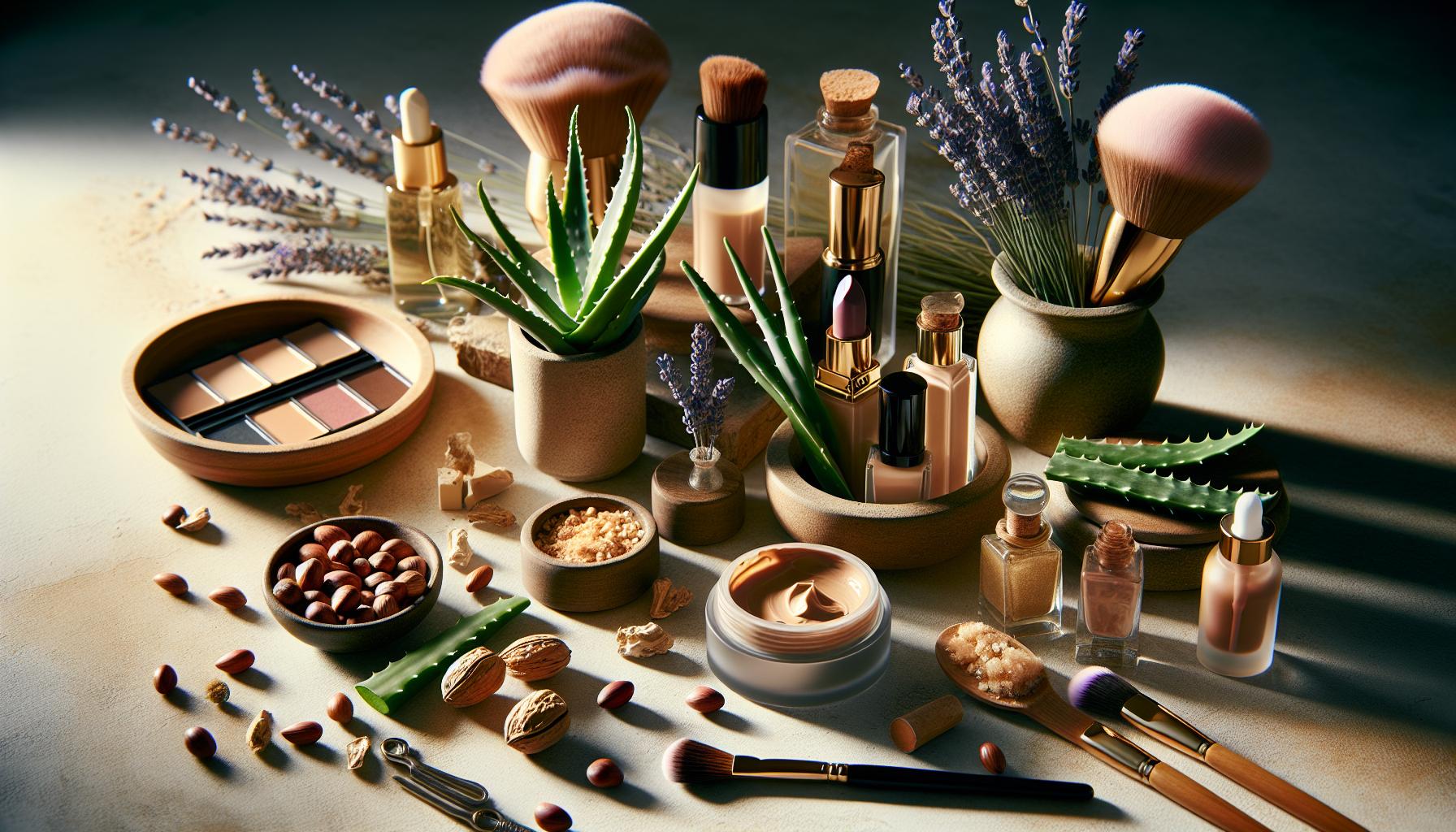
Understanding Natural vs. Synthetic Ingredients
Navigating the world of makeup products requires a keen understanding of the ingredients that comprise them, particularly when it comes to the distinction between natural and synthetic components. Natural ingredients are derived from plants, minerals, and other naturally occurring substances, offering benefits such as nourishment and less irritation for many skin types. For instance, organic oils like argan or coconut oil are celebrated not only for their hydrating properties but also for their skin-loving nutrients, making them standout choices in natural formulations.
On the other hand, synthetic ingredients, which are chemically manufactured, often play vital roles in makeup’s longevity and performance. These compounds can enhance product stability, improve texture, and provide vivid colors that natural alternatives may struggle to achieve. For example, synthetic colors and preservatives can ensure that products remain effective and safe for use over an extended period, which is an essential concern for both consumers and manufacturers alike. However, synthetic ingredients have garnered a mixed reputation, leading many users to seek transparency and ingredient lists that favor natural sources over artificial ones.
In today’s market, consumers are increasingly leaning towards products that align with their personal values, whether that’s seeking cruelty-free certifications or opting for eco-friendly packaging. This growing trend has fueled innovation in both spheres-natural and synthetic. Brands are now reformulating to combine the best of both worlds, creating hybrid products that leverage the nourishing attributes of natural ingredients while benefiting from synthetic components’ efficacy. Engaging with ingredient lists is crucial, as consumers are more informed than ever, demanding clarity on what’s in their makeup and its implications for their skin.
By embracing either category or a blend of both, individuals can tailor their beauty routines to suit their specific skin needs and ethical considerations. It’s not just about choosing products; it’s about understanding the essence behind them to enhance both wellness and beauty. Whether opting for a purely natural foundation or a synthetic-infused lipstick, informed choices pave the way for a confident and personalized beauty experience.
The Role of Preservatives in Makeup
In the world of cosmetics, the presence of preservatives is essential for ensuring the safety and longevity of products we enjoy. Preservatives serve as the frontline defenders against microbial contamination, which can lead to product spoilage and potentially harmful health risks. Without effective preservatives, makeup could become a breeding ground for bacteria and fungi, especially in products that contain moisture or are used on the skin, such as creams, foundations, and liquid eyeliners.
Common Types of Preservatives
The cosmetic industry employs a variety of preservatives, each with specific functions and levels of potency. Some of the most widely used preservatives include parabens, phenoxyethanol, and witch hazel extract. Parabens, while effective, have garnered concern over potential health impacts, leading many consumers to seek paraben-free alternatives. Alternatives such as phenoxyethanol provide antimicrobial protection without some of the controversies associated with traditional preservatives. It’s crucial to recognize that not all preservatives are created equal; understanding their purpose and formulation can help in making informed choices.
Educating yourself about the ingredients in your makeup can mitigate concerns over safety. Look for products that explicitly state they are preservative-free or contain natural preservatives like rosemary extract or vitamin E. Many brands now offer formulations that balance efficacy and consumer health concerns, incorporating newer, safer preservatives that meet modern safety standards.
Moreover, understanding the role of preservatives not only aids in making educated decisions but also enhances your makeup experience. A well-preserved product will maintain its texture, color, and scent over time, allowing you to enjoy its benefits fully. As the marketplace evolves, vigilance in reading ingredient labels is key. This knowledge empowers you to choose products that not only fit your beauty routine but also align with your values regarding health and safety considerations.
Exploring Colorants and Pigments in Cosmetics
Colorants and pigments are the backbone of cosmetics, transforming ordinary products into vibrant expressions of beauty. From the striking red of lipstick to the subtle hues of foundation, these ingredients play a pivotal role in how we perceive and use makeup. Understanding the different types of colorants and their origins can empower consumers to make informed choices about the products they select for their beauty routines.
The two primary categories of colorants used in cosmetics are organic and inorganic pigments, each serving distinct purposes and offering unique finishes. Organic pigments, derived from carbon-based compounds, are known for their vivid colors and ability to blend seamlessly into the skin. They are commonly found in formulations like eyeshadows, blushes, and lip products, providing a rich, velvety texture. However, it’s essential to be aware that some organic pigments may fade over time or react adversely with different skin types. On the other hand, inorganic pigments, often derived from mineral sources, provide excellent coverage and stability, making them popular in products such as foundations and concealers. These pigments are generally more resistant to fading and can be an excellent choice for long-wearing formulations.
Uses and Safety Considerations
When selecting cosmetics, the safety of colorants should also be a priority. Regulatory bodies, such as the FDA in the United States, classify colorants based on their safety profiles and permissible uses. For example, a colorant may be approved for lip products but not for use around the eyes. Always check labels for designated colorant codes, which can help ensure you’re using products that are considered safe for your intended application. Additionally, emerging trends in clean beauty have led to increased demand for colorants derived from natural sources, such as plant extracts or minerals, catering to consumers concerned about synthetic ingredients.
For those looking to experiment with color in their makeup routine, consider products with a range of shades and finishes. Depth and variety in color can elevate makeup artistry, allowing for greater creativity and personalization. Whether you prefer a natural look with soft neutrals or bold statement eyeshadows, understanding colorants can enhance your application techniques. Opt for brands that emphasize transparency regarding their ingredient sourcing and formulation practices, as this not only aligns with informed beauty choices but also supports ethical consumerism.
By delving into the world of colorants and pigments, you unlock a deeper appreciation for the artistry within cosmetics, equipping yourself to choose products that reflect your personal style while also prioritizing safety and quality.
Fragrance and Its Impact on Makeup Formulas
The allure of makeup often lies in its ability to conjure not only beauty but also a sense of nostalgia and comfort, largely influenced by fragrance. Many makeup products, whether they’re liquid foundations or creamy blushes, incorporate fragrances to enhance the overall sensory experience. However, it’s essential to understand how fragrance impacts makeup formulations and your skin to make informed choices.
Fragrances serve multiple purposes in cosmetics. They can mask unpleasant odors from raw materials or act as a signature scent that makes a product memorable. For instance, a luxurious peach-scented lipstick can evoke feelings of summer and freshness, elevating the application experience. However, while fragrances can provide an appealing aesthetic, they can also be a double-edged sword. Many people, especially those with sensitive skin or allergies, may experience irritation or reactions from synthetic fragrances. This highlights the importance of reading ingredient lists diligently, opting for products labeled as “fragrance-free” or “unscented” for sensitive skin types.
The Impact on Formulation and Wear
When included in makeup products, fragrances can also influence the texture and longevity of the formula. Some fragrances are volatile and may evaporate quickly, impacting the scent profile over time. In contrast, heavier, oil-based fragrances can contribute to a richer texture. Aligning fragrance choices with the desired makeup experience is crucial; for example, a long-wearing foundation might incorporate a subtle scent that complements its robust formula without overwhelming it.
Moreover, as consumers increasingly gravitate towards clean beauty, many brands are reformulating their products to utilize natural fragrances derived from essential oils or plant extracts, appealing to those who wish to avoid synthetic compounds. Products utilizing these ingredients not only offer pleasant aromas but also can provide additional skin benefits, such as hydration or soothing effects.
By being conscious of fragrance in makeup, consumers can enhance their beauty routine while aligning their choices with their skin’s needs and personal preferences. Whether you’re drawn to beautifully scented cosmetics or are looking to minimize potential irritants, understanding how fragrance interacts with makeup can empower you to curate a collection that brings joy without compromising skin health.
Key Ingredient Labels: What to Look For
Navigating the world of makeup can be overwhelming, especially with the plethora of products claiming remarkable benefits. Understanding the significance of ingredient labels can empower you to make informed choices about the cosmetics you use. When you take a closer look at makeup packaging, here are some crucial labels and terms to pay attention to:
- Non-Comedogenic: This label indicates that a product is formulated to not clog pores, making it ideal for those with oily or acne-prone skin. Choosing non-comedogenic options can help maintain skin clarity and prevent breakouts.
- Dermatologist-Tested: While this label doesn’t guarantee the absence of irritation for everyone, it suggests that the product has undergone testing to evaluate skin tolerance. It’s a helpful indicator for those with sensitive skin.
- Hypoallergenic: Products labeled as hypoallergenic are formulated to minimize the risk of allergic reactions. These are particularly valuable for individuals prone to allergies, allowing for a safer makeup experience.
- Fragrance-Free: For those with sensitive skin or fragrance sensitivities, opting for products that are fragrance-free can significantly reduce the risk of irritation. Some may still contain natural scents, so always check the ingredient list.
- Cruelty-Free: This important label signifies that no animal testing was conducted in the development of the product. For consumers who prioritize ethics, selecting cruelty-free options supports the movement against animal testing in the beauty industry.
- Vegan: Vegan makeup products do not contain any animal-derived ingredients. This label is vital for individuals adhering to a vegan lifestyle or those who want to avoid animal byproducts.
Taking the time to read and understand these labels can lead you to products that not only enhance your beauty routine but also align with your ethical standards and skin needs. As consumers grow increasingly aware of makeup ingredients, brands are responding by being transparent about their formulations, allowing for a more enjoyable and conscientious shopping experience. Embracing this knowledge will enable you to curate a makeup collection that reflects your unique preferences while prioritizing your skin’s health and well-being.
Hypoallergenic and Sensitive Skin Formulations
Many consumers today are increasingly aware of the impact that cosmetic ingredients can have on their skin. For those with sensitive skin or allergies, selecting hypoallergenic makeup formulations is not just a preference but a necessity. These products are designed to reduce the likelihood of adverse reactions, allowing individuals to explore their beauty routine without the fear of redness or irritation. It’s essential to understand what “hypoallergenic” truly means-while no product can guarantee that it won’t cause a reaction in everyone, hypoallergenic formulations typically avoid harsh irritants such as fragrances, dyes, and certain preservatives.
When searching for makeup suitable for sensitive skin, consider looking for ingredients known for their soothing properties. Ingredients like aloe vera, chamomile, and calendula can help calm and hydrate the skin. Additionally, natural oils such as jojoba or argan oil offer nourishment without overwhelming sensitive skin. Always check for clear labeling on packaging, as some brands emphasize hypoallergenic formulations by noting the absence of common allergens.
Before incorporating a new product into your routine, patch testing is a wise practice. Apply a small amount to a discreet area of skin and monitor for any reactions over 24 to 48 hours. Moreover, awareness of ingredients is crucial-avoid products containing known irritants like alcohol or certain preservatives, which can exacerbate skin issues. Being proactive about ingredient knowledge empowers you to curate a makeup collection that not only enhances your beauty but also respects your skin’s unique needs.
Finally, emerging trends now include formulations specifically targeting hypoallergenic and sensitive skin. Brands are increasingly embracing clean beauty, focusing on fewer ingredients to cater to the growing demand for transparency and safety in cosmetics. As you navigate this evolving landscape, remember that each makeup experience should enhance, not hinder, your natural beauty. Prioritize formulas that harmonize with your skin’s health, feeling confident and radiant in every application.
Cruelty-Free and Vegan Makeup Options
Today’s beauty landscape is increasingly shifting towards ethical and environmentally conscious choices, with cruelty-free and vegan formulations gaining significant traction among consumers. This transition reflects a broader awareness of animal welfare and sustainability, prompting beauty enthusiasts and professionals alike to look for products that align with their values. Cruelty-free makeup ensures that no animals were harmed in testing; this means that brands refrain from using animal testing at any stage of product development. Vegan makeup takes it a step further, guaranteeing that none of the ingredients derive from animal sources, promoting a cruelty-free lifestyle that resonates with many consumers.
When navigating the world of cruelty-free and vegan makeup, it’s essential to look for certifications and labels that clearly state the product’s ethical stance. Organizations like the Leaping Bunny and PETA offer reliable certifications for cruelty-free products. On the other hand, brands that specifically highlight vegan formulas will typically be transparent about their ingredient sourcing. Additionally, exploring innovative brands like ILIA and Thrive not only allows you to discover high-performance makeup but also supports initiatives that prioritize ethical sourcing and sustainable practices.
Understanding the ingredients utilized in these formulations can also enhance your product selections. Plant-based alternatives have gained popularity in recent years, leading to the development of makeup items infused with nourishing ingredients like coconut oil, shea butter, and botanical extracts, which are not only cruelty-free but often better for your skin as well. Products from companies like ELF are celebrated not just for being budget-friendly, but also for their commitment to cruelty-free principles, making beauty accessible without ethical compromise.
For those looking to create a makeup collection that aligns with cruelty-free and vegan values, consider incorporating a few must-have items. Products like tinted moisturizers, multi-use creams, and lip colors that boast natural and ethically sourced ingredients can pave the way for an effortless, responsible beauty routine. As you explore these avenues, remember that consumer choices wield power; by supporting cruelty-free and vegan brands, you encourage the beauty industry to pivot towards practices that are kinder to both animals and the planet. This commitment not only elevates your beauty routine but also empowers you to make impactful decisions in a rapidly evolving market.
The Science Behind Skincare Ingredients in Makeup
Understanding can transform your beauty routine, turning it into a thoughtful ritual rather than a mere habit. Many cosmetics are no longer just about aesthetics; they’re increasingly designed to nourish and care for your skin. For instance, formulations are now commonly infused with vitamins, antioxidants, and hydrating agents that benefit skin health while providing coverage and color. This dual purpose shifts the perception of makeup from concealer to care, ensuring that you’re actively promoting skin wellness even while enhancing your beauty.
Common ingredients like hyaluronic acid, known for its incredible moisture-retaining properties, and peptides, which can promote collagen production, are frequently found in foundations and tinted moisturizers. These ingredients not only create a smoother, more hydrated appearance but also contribute to long-term skin benefits. Furthermore, natural oils like argan and jojoba offer emollient properties, allowing makeup to glide on effortlessly while keeping the skin hydrated throughout the day. This holistic approach invites a deeper understanding of what makeup can achieve, serving as an extension of a skincare routine rather than a superficial layer.
As you explore various products, look for formulations boasting beneficial skincare components. Brands such as ILIA and Thrive prioritize the integration of clean ingredients, proving that luxury and conscientious sourcing can coexist. Always consider your skin type-oily, dry, or sensitive-when selecting products. The synergy between your skincare and makeup can enhance your overall look and health, leading to a more vibrant complexion. Choosing products that support skin health can not only elevate your makeup experience but also establish a routine that feels genuinely rewarding and nurturing. This understanding empowers you to make informed choices, transforming your routine into an effective skincare strategy woven into the fabric of your beauty regimen.
How to Read Ingredient Lists Effectively
Reading ingredient lists can be an enlightening experience, helping you understand what you put on your skin. Many consumers are becoming increasingly savvy about the products they purchase, but deciphering the ingredient list can still feel daunting. The first rule to follow is to familiarize yourself with the common terminology used in cosmetics. For starters, ingredients are typically listed in order of prevalence; that is, the first few ingredients are present in the highest concentrations, so paying close attention to these can give you insight into what the product primarily consists of.
Start by identifying key beneficial components known for their skin-enhancing properties. Look for ingredients that are backed by science, such as hyaluronic acid for hydration, or niacinamide for its soothing and brightening effects. You might also favor formulations that include antioxidants like vitamin C and E, which combat free radicals. Conversely, be cautious of potential irritants, particularly if your skin is sensitive. Ingredients such as sulfates, parabens, and synthetic fragrances can often do more harm than good.
Another essential tip is to be aware of hidden names. For example, ingredients may appear under different names or scientific terms that can mislead consumers. Understanding that “tocopherol” is simply vitamin E or “cetearyl alcohol” is a derived fatty alcohol can help demystify the ingredient list. Some brands also emphasize their formulations being “free from” certain chemicals, which can guide your choices toward safer alternatives.
In today’s beauty market, where transparency is key, brands like Thrive and ILIA stand out by clearly showcasing ingredient benefits on their packaging. This transparency empowers you as a consumer to make informed choices that align with your values-whether that’s seeking cruelty-free products or minimizing exposure to synthetic substances. By developing the expertise to read ingredient lists effectively, you can tailor your makeup collection to not only enhance your beauty but also bolster your skin health. Thus, the next time you pick up a product, you’ll feel confident in your choice, knowing it supports both your style and skin wellness.
Emerging Trends: Innovative Ingredients in Makeup
In today’s beauty landscape, consumers are not only looking for products that enhance their appearance but also those that align with evolving values, such as sustainability and health consciousness. This shift has ushered in a wave of innovative ingredients that promise to deliver both performance and peace of mind. For instance, the use of bio-fermented ingredients is on the rise, leveraging the power of nature to enhance product efficacy. Fermented extracts, like kombucha and sake, are celebrated for their probiotic properties, helping to balance skin microbiomes and offering antioxidant benefits that can improve skin tone and texture.
Harnessing the Power of Plants
Plant-based ingredients have always been a staple in makeup formulations, but the latest trend sees advanced extraction methods being employed to maximize their benefits. Cannabis sativa oil, for example, is being incorporated not just for its moisturizing properties but also for its anti-inflammatory effects, making it an appealing choice for sensitive skin. Similarly, adaptogenic plants, such as ashwagandha and holy basil, are gaining attention for their ability to help skin adapt to stressors, enhancing both health and appearance.
Synergistic Formulations
Another notable innovation in the beauty sector is the development of synergistic ingredient combinations that amplify the benefits of traditional formulations. Brands are increasingly crafting products that pair classic skincare ingredients, like hyaluronic acid, with modern actives such as polyglutamic acid and peptides. This fusion not only enhances hydration and skin firmness but also addresses common concerns like fine lines and dryness directly, providing a more holistic approach to beauty.
Eco-Conscious Alternatives
Sustainability is driving the demand for eco-conscious ingredients, reducing ecological footprints while delivering effective results. Look for makeup products featuring upcycled ingredients, which use parts of plants or materials that would otherwise be discarded. These innovative approaches not only support sustainability but can also introduce unique textures and benefits to formulations.
Embracing these emerging trends and understanding their implications allows consumers to make informed choices that not only beautify but also nurture the skin. This ongoing evolution signifies an exciting future for makeup, emphasizing health and environmental responsibility alongside beauty. By keeping abreast of these developments, both novices and professionals can elevate their makeup game while adhering to their values, ensuring that each product chosen reflects a commitment to personal and planetary well-being.
Q&A
Q: What are the primary ingredients found in makeup products?
A: Makeup products typically contain ingredients such as water, oils, waxes, pigments, and preservatives. Each of these components serves specific functions, like providing moisture, ensuring smooth application, and maintaining the product’s shelf life.
Q: How do synthetic ingredients differ from natural ingredients in makeup?
A: Synthetic ingredients are chemically manufactured and can offer consistency and potency, whereas natural ingredients are derived from plants or minerals and may be perceived as safer. Understanding your skin type can help in choosing the right formulation.
Q: What role do preservatives play in makeup?
A: Preservatives are crucial in makeup to prevent microbial growth and prolong the product’s shelf life. Common preservatives include parabens and phenoxyethanol. It’s important to choose products with effective but safe preservatives to minimize skin irritation.
Q: Are there hypoallergenic makeup options available?
A: Yes, hypoallergenic makeup products are specifically formulated to reduce the risk of allergic reactions and irritation. Look for labels that indicate hypoallergenic formulas, especially if you have sensitive skin.
Q: How can I ensure that my makeup is cruelty-free?
A: Look for certification labels such as the Leaping Bunny or PETA’s cruelty-free logo. These indicate that the product and its ingredients were not tested on animals, supporting ethical beauty choices.
Q: Why is it important to read ingredient lists on makeup products?
A: Reading ingredient lists helps you understand what is in your makeup, allowing you to avoid harmful or irritating components. This knowledge empowers you to make informed decisions based on your skin type and preferences.
Q: What emerging trends are affecting makeup formulations today?
A: Emerging trends include the use of clean beauty standards, innovative ingredients like probiotics and CBD, and environmentally friendly packaging. Staying updated on these trends can enhance your makeup routine while being eco-conscious.
Q: How can I identify harmful ingredients in makeup?
A: To identify harmful ingredients, look for specific terms such as parabens, phthalates, and sulfates. Researching these ingredients and understanding their effects can guide you toward safer makeup choices.
Feel free to explore more detailed sections on common ingredients and how they function within makeup in the main article!
In Retrospect
Understanding makeup ingredients is just the first step in your beauty journey. Now that you know what’s in your products, why not explore how they impact your skin and overall look? Dive deeper into our guides on essential makeup application techniques and product reviews for brands like Seint and Thrive. Don’t miss out on refining your skills-check out our expert tips!
Are you concerned about making the right product choices? Join our community by signing up for our newsletter, where you’ll receive exclusive updates and insights right in your inbox. Remember, feeling confident in your beauty routine starts with knowledge-so keep exploring! Share your thoughts or questions in the comments below, and stay engaged for more expert advice and resources tailored to enhance your beauty experience. Your perfect look is just a click away!